VI
VI



According to the Ho Chi Minh City Dermatology Hospital, in recent times, the hospital has been treating nearly 100 cases of skin infections related to hot weather each day, such as: infectious dermatitis, boils, impetigo, fungal infections, tinea versicolor, cellulitis, etc. In addition, there are other diseases that appear during the hot season such as melasma and freckles.


COMMON ILLNESSES DURING HOT WEATHER
Acne can worsen due to increased sweating, sebum production, dust, and external factors that weaken the skin's protective barrier, increasing congestion, inflammation, and bacterial growth. This is not limited to the face but can also occur on the chest and upper body, such as the back, shoulders, and décolleté.

The weather is gradually getting hotter in the summer, which is affecting people's health to some extent.
In addition, there are infectious diseases such as folliculitis; fungal skin infections and intertrigo; and impetigo, which often have a persistent or recurring course due to contributing factors such as poor hygiene, pollution, heat, and humidity.
Some typical health problems associated with outdoor activities include: contact dermatitis caused by environmental factors such as plants and animals; sunburn due to prolonged exposure to excessively strong sunlight; and skin darkening and blemishes caused by ultraviolet rays.
In cases of severe sunburn, with systemic symptoms such as fainting, fever, and fatigue, immediate medical attention is needed to avoid dangerous complications.
PROTECT YOURSELF FROM SUN DAMAGE AND SKIN CONDITIONS WHILE TRAVELING
Limit your time outdoors during peak UV hours, from 10 am to 4 pm.
Absolutely avoid sunburn. Five sunburns double the risk of cancer. Use a broad-spectrum sunscreen with an SPF of at least 30 and that protects against both UVA and UVB rays (PA rating is usually found next to SPF) and reapply every 2-3 hours, especially after sweating and swimming.

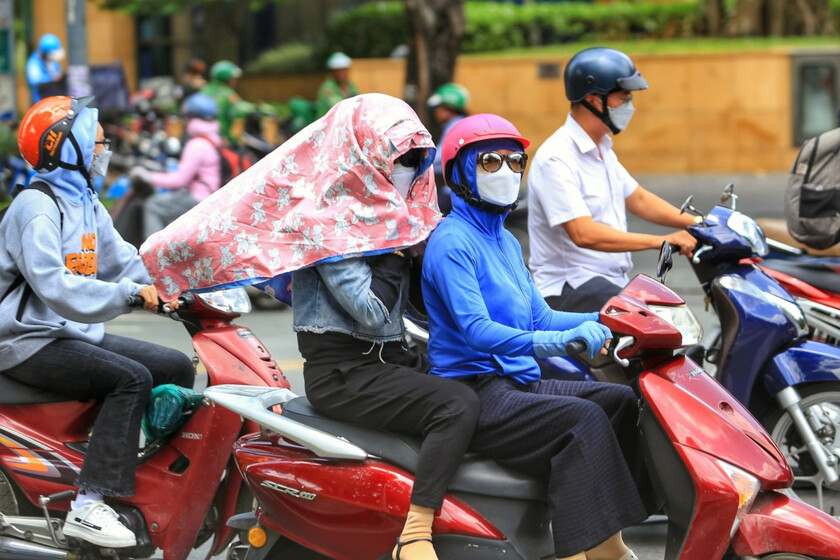
Many doctors advise people to avoid going outside during peak heat hours.
Remember to protect easily overlooked areas such as the lips, ears, around the eyes, scalp, hands and feet, and neck. Wear sun-protective clothing; ideally, choose clothing, hats, gloves, etc., made from materials with UV protection, indicated by the UPF rating. Clothing should be breathable, loose-fitting, and allow sweat to evaporate easily. Sunglasses should have a UV protective coating.
After sun exposure, it's important to rest, hydrate, and nourish the skin. At the same time, proper skin cleansing and the use of moisturizing creams and masks to hydrate, soothe, and reduce inflammation are also necessary.
Use sunscreen.
This is the most important step in protecting your skin from the harmful effects of UV rays. Choose a sunscreen with an SPF of 30 or higher that is suitable for your skin type.
Apply sunscreen at least 20 minutes before going outside and reapply every 2 hours or after sweating heavily.
Moisturizing your skin in the summer: The secret to healthy skin.
Hot weather also causes skin to easily lose moisture, leading to dryness, roughness, and even peeling. Therefore, moisturizing the skin is an extremely important skincare step in the summer to help keep the skin healthy and smooth.
Choose a moisturizer that suits your skin type. Dry skin should opt for a moisturizer with a creamy or thick lotion texture to provide the necessary hydration. Oily skin should prioritize moisturizers with a lightweight gel or lotion texture to avoid clogging pores.
Apply moisturizer regularly every day. It's best to apply moisturizer twice a day, in the morning after washing your face and in the evening before bed. You can apply moisturizer more often if your skin feels dry or irritated.
Drink enough water and eat a balanced diet every day.
Drinking enough water every day helps cleanse the body, eliminate toxins, and keep the skin hydrated. Drink plain water or fruit juice, and limit sugary carbonated drinks. Eat plenty of green vegetables and fruits to supplement your body with vitamins and minerals. Include foods rich in vitamin C such as oranges, grapefruits, kiwis, and bell peppers. Limit spicy, greasy, and oily foods. Get enough sleep to help the body recover and regenerate the skin. Maintain a relaxed state of mind and avoid stress.
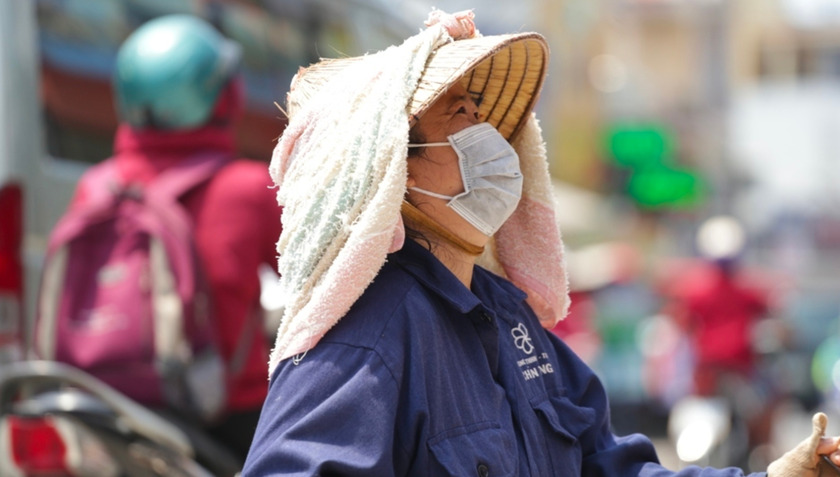
Eating a balanced diet, drinking enough water, and maintaining a fiber intake are essential for protecting your skin during the summer.
Additionally, you can also refer to some other helpful tips such as using a humidifier in the bedroom to increase the humidity in the air. Or take warm showers instead of hot water to avoid stripping the skin of its natural oils. Exfoliate your skin 1-2 times a week to help unclog pores and allow for better nutrient absorption. And you can use products with antioxidant properties to protect your skin from the harmful effects of UV rays.
According to forecasts, Ho Chi Minh City and the southern provinces will continue to experience intense heat in the coming days, with UV levels reaching a peak of 10, which is considered very dangerous. Therefore, please pay attention to protecting your skin during the upcoming hot weather.