VI
VI


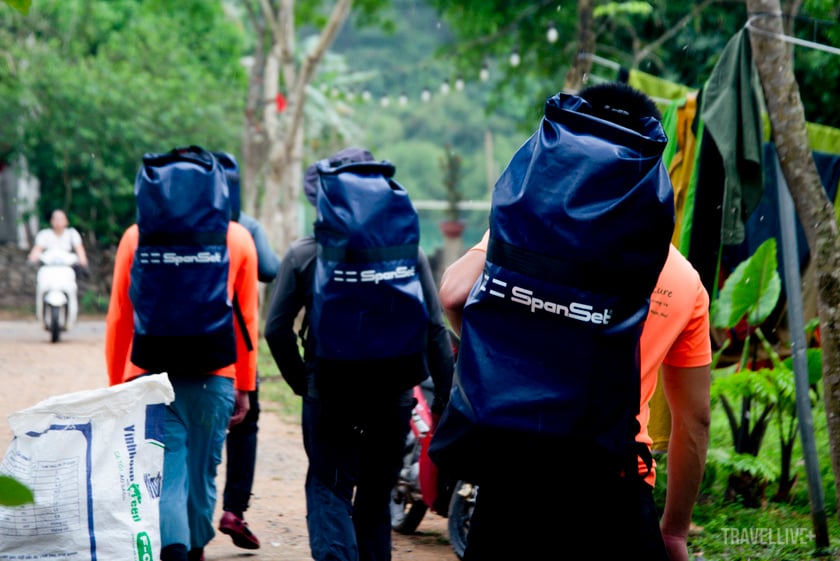
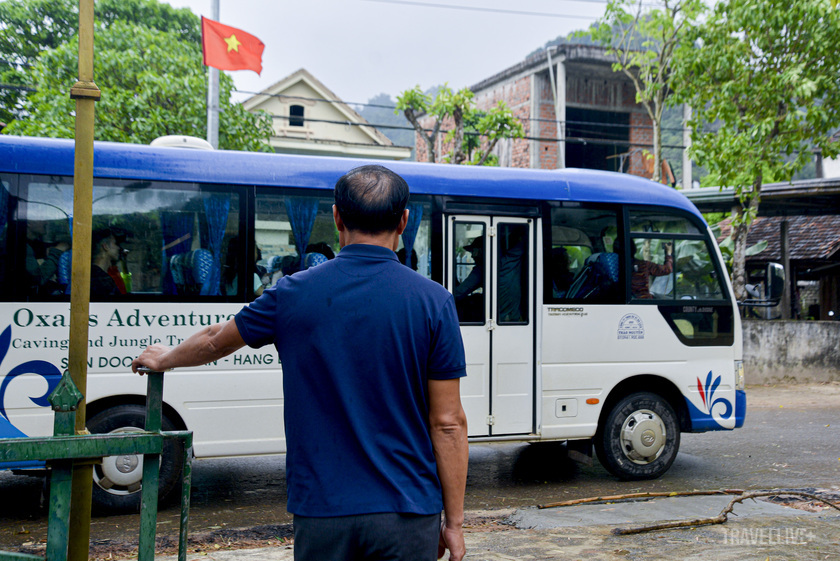
We had an appointment at 7:00 AM to catch up with the group before the bus departed. At 4:00 AM in the rainy Quang Binh weather, I rode my motorbike 70 km from home to Phong Nha to meet Mr. Ho Khanh, feeling nervous all the way about the upcoming stories and conversations. I arrived just in time for 7:00 AM, and everyone was preparing for the journey to Son Doong Cave. The porters checked the necessary equipment and chatted together. Mr. Ho Khanh assigned who would be the group leader for the day, delegated tasks, and did a final check of everything before starting the journey.
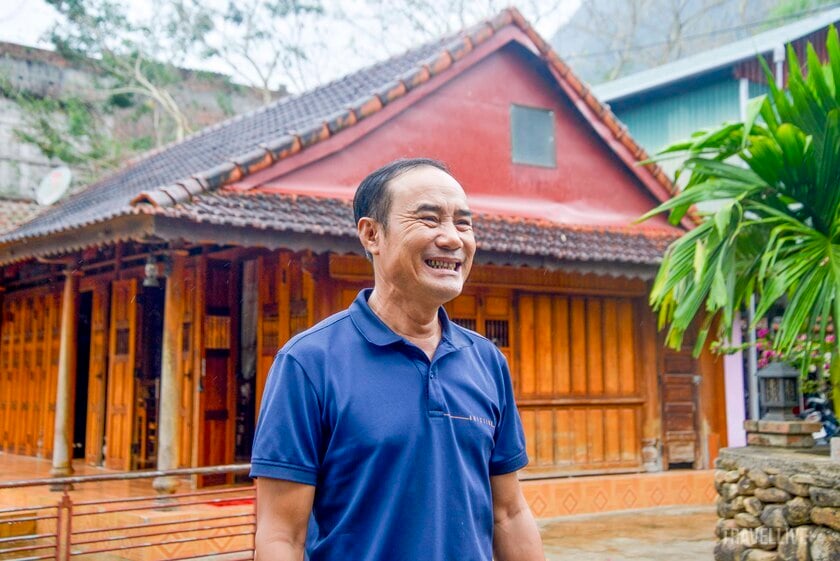
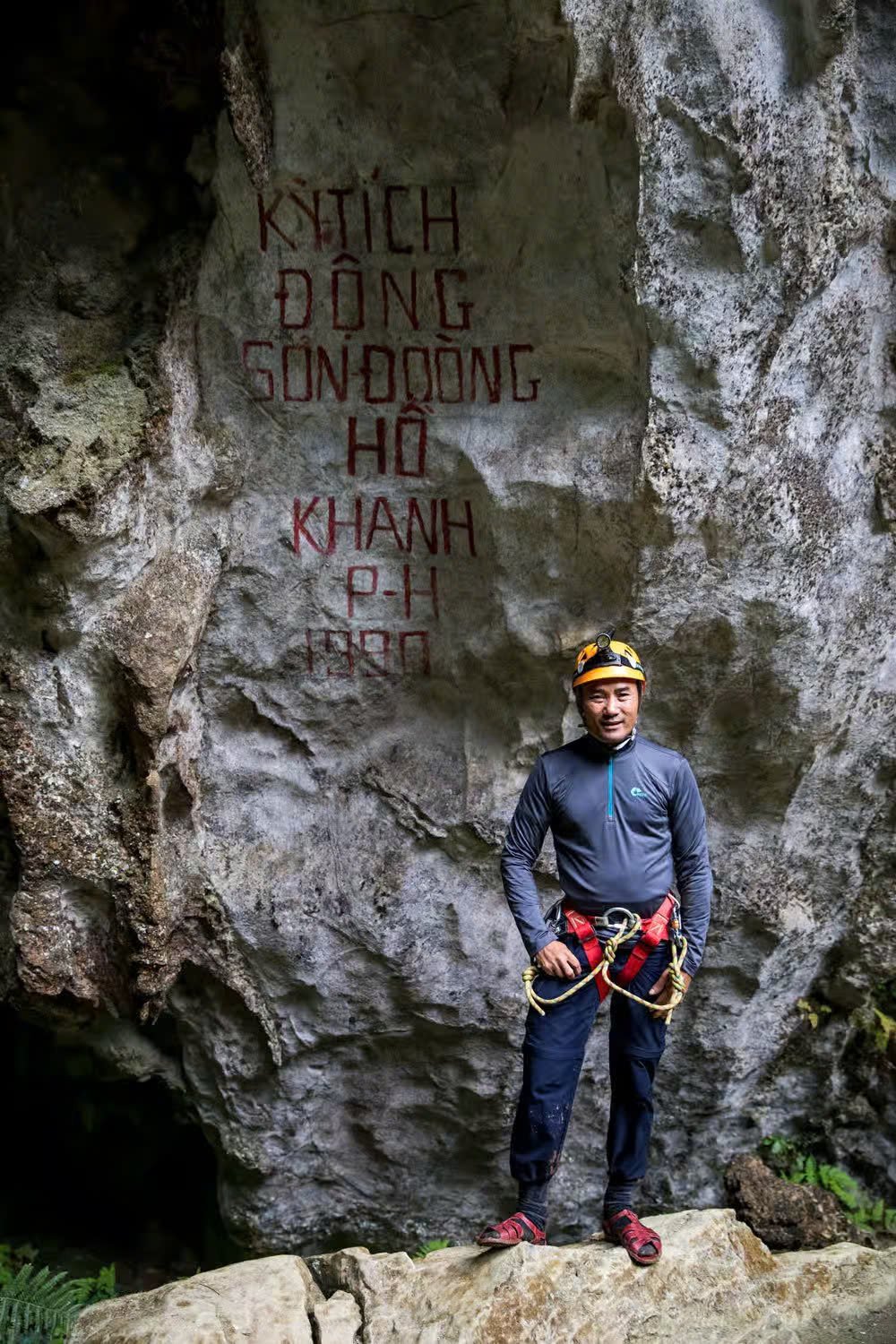
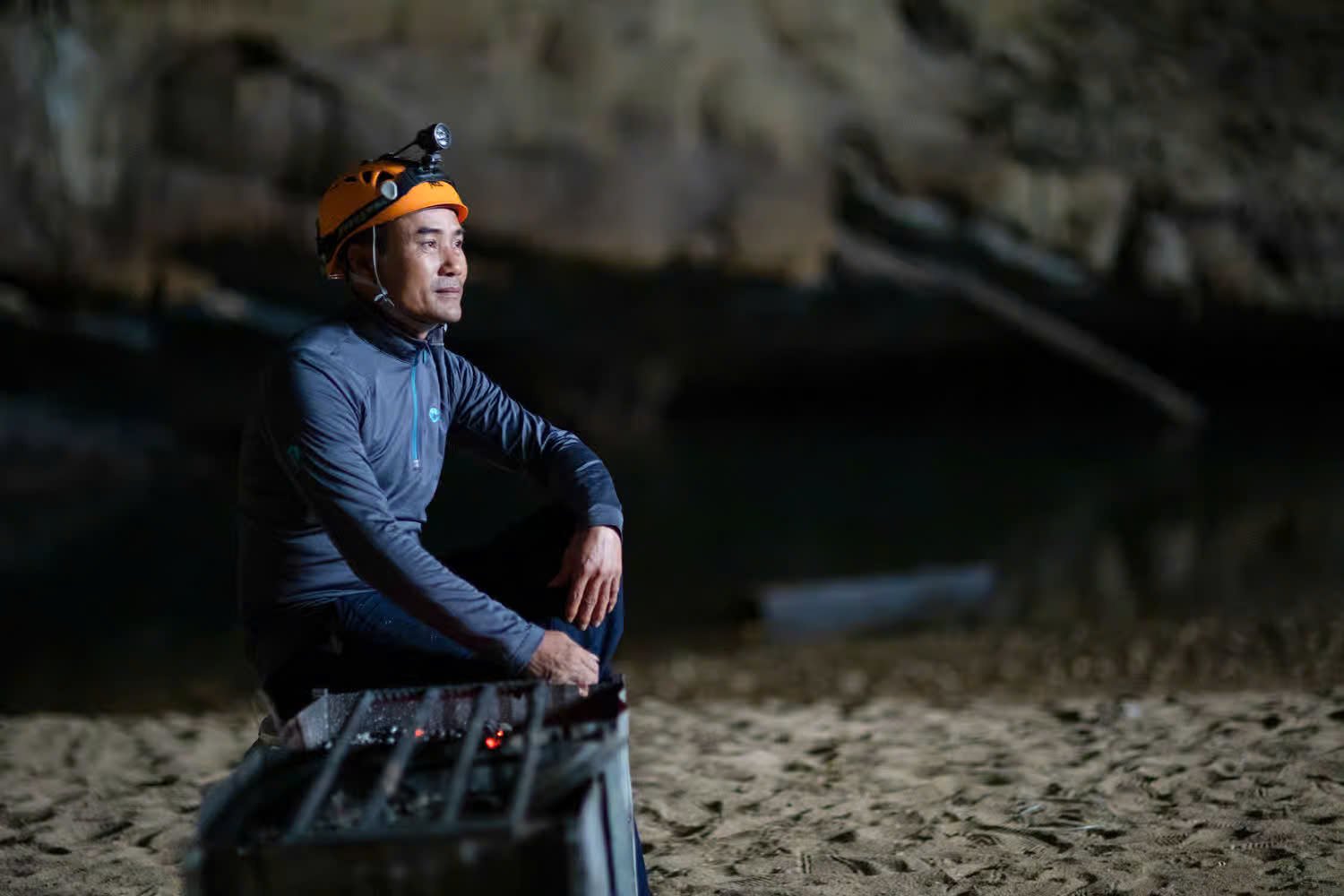
Ho Khanh - the man who discovered the world's largest cave.
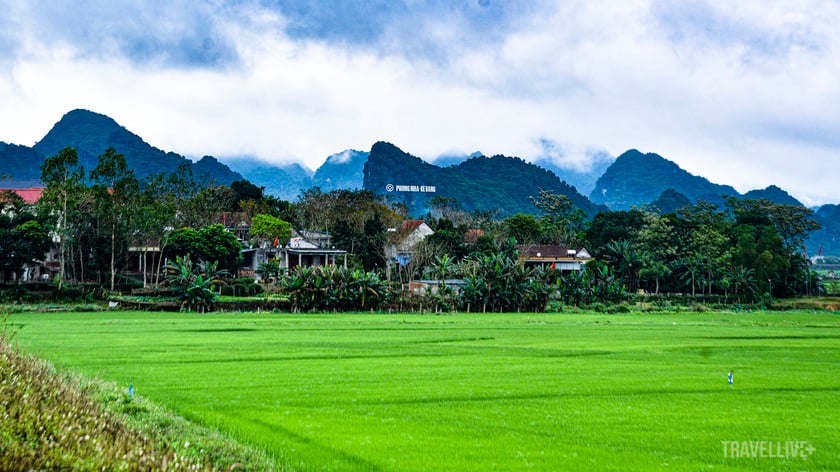
After coordinating the porters and the vehicle transporting the group to the destination for the exploration of Son Doong Cave, Mr. Ho Khanh returned to his homestay and chatted with the group, recounting his life and career. Ho Khanh is the man who discovered the world's largest cave - Son Doong. His father passed away when he was still a toddler, and due to poverty, he had to drop out of school in the 7th grade to become the youngest agarwood gatherer in the Phong Nha Ke Bang mountain region.
Sharing with Travellive, Mr. Ho Khanh confided: "In the past, I often wandered in the forest, sometimes spending more time there than at home. Later, I went out less, and only then could I come home to have dinner with my wife. Now, I stay at home, finish work, organize the team of porters, and in the evening, I go home to feed the chickens. My sons are either abroad or at home helping me manage the homestay. Since taking on the job of managing the team of porters, I've had more time for my family."
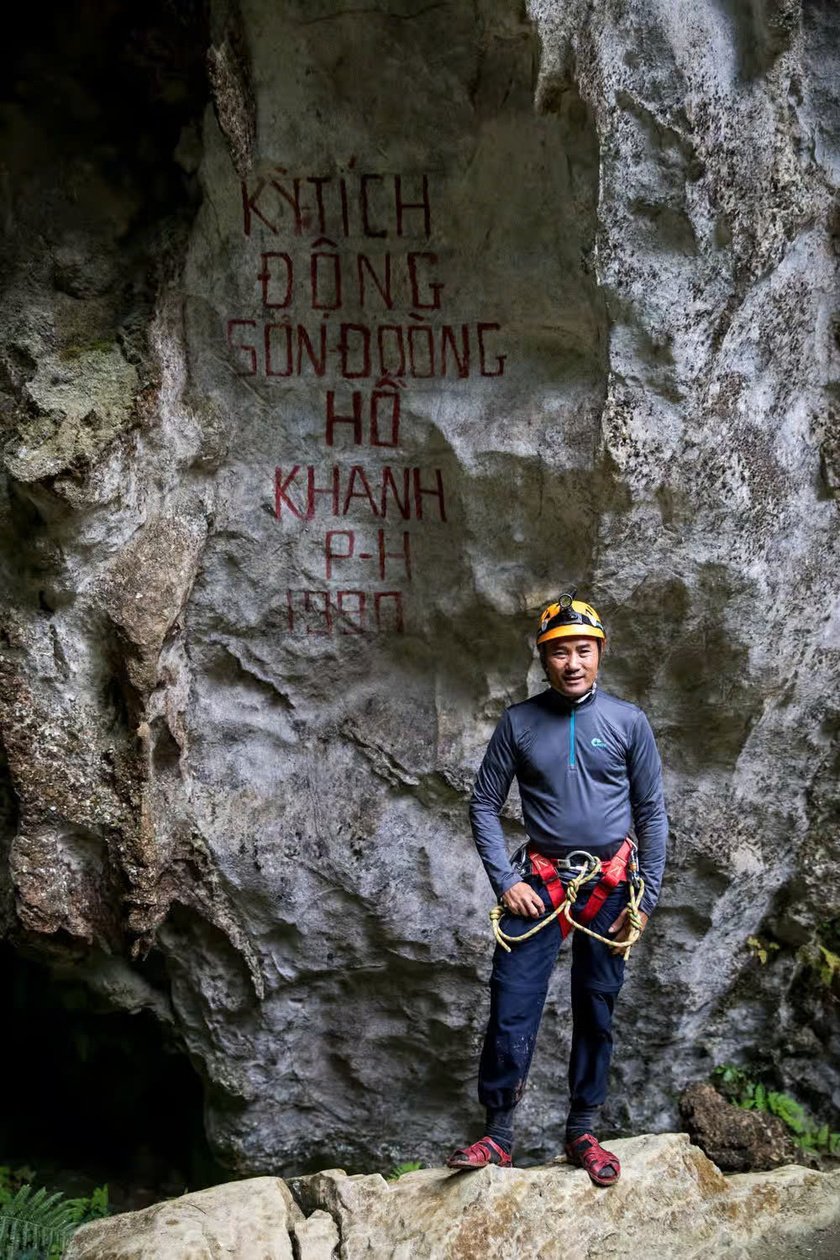
Over nearly 10 years, he had the opportunity to discover 21 caves in the Phong Nha Ke Bang National Park area, including Son Doong Cave, En Cave, Bat Cave, Thien Duong Cave, etc. (Photo: Provided by the subject)
Over nearly 10 years, he had the good fortune to discover 21 caves in the Phong Nha Ke Bang National Park area, including Son Doong Cave, En Cave, Bat Cave, Thien Duong Cave, etc. He named all the caves he found "Lake on the Mountain" for those with cool, refreshing lakes inside, "Phong Cave" for those with strong winds, "Thanh Nghia Cave" after his wife, "Thai Hoa Cave" after his son, "Khanh Cave" after himself, and "Hung Cave" after a close friend from his village who had gone into the forest with him a few times. He accidentally discovered Thai Hoa Cave when he got lost and wandered around in the forest. He named the cave after his son as a memento of that time...

In 1994, Ho Khanh got married. From then on, he abandoned his agarwood harvesting business to invest in machinery and focus on agriculture. However, the locals were poor at the time and refused to hire him, so Khanh's family went bankrupt and had to sell all their machinery. He laughed and continued, saying that after that, his family continued to invest in the economy by establishing a farm in what is now the administrative area of the Phong Nha Ke Bang National Park Management Board, but it was later suspended for demolition.

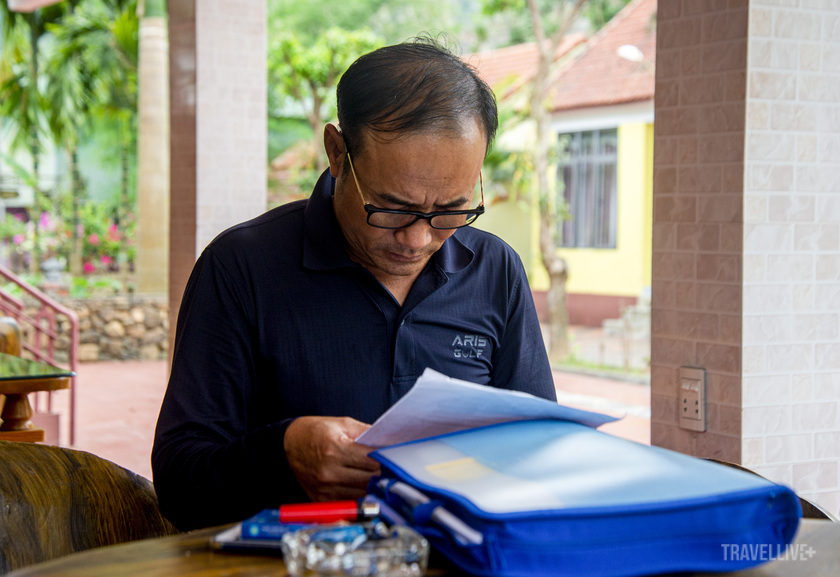
Ho Khanh reviews the troop deployment schedule for porters.
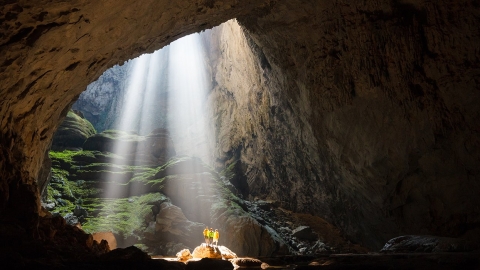
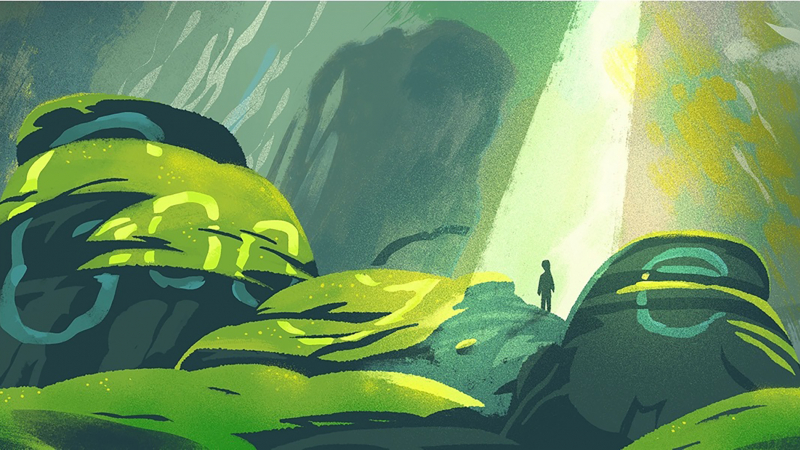
Returning to the story of his discovery of Son Doong Cave, upon returning to England, Howard Limbert urged Ho Khanh to find the cave where he had taken shelter from the rain and wind that had terrified him nearly 10 years earlier. During his long treks through the forest, the cave served as his home and a source of sustenance, providing him with clean water. This is also why he knew so many caves. In mid-2008, he went into the forest alone for two consecutive days, and luckily he rediscovered the cave. He carefully marked it and contacted the Faculty of Natural Sciences - Vietnam National University, Hanoi, to inform Howard Limbert. In early 2009, when the British Royal Cave Association expedition returned to Vietnam, he led the team along with Howard Limbert to survey the cave, and it was named Son Doong.
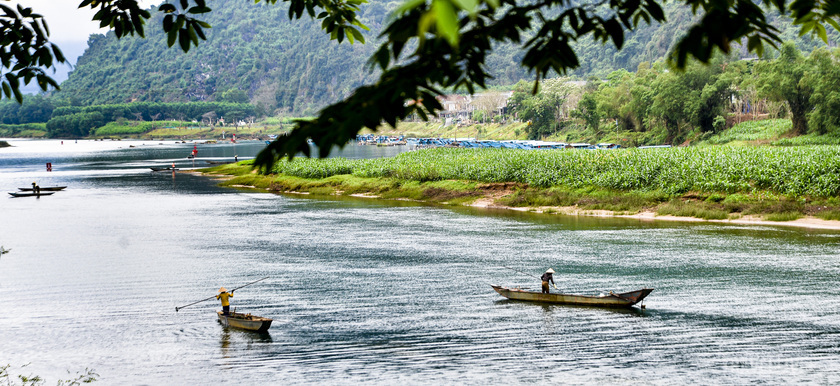
The Son River where Ho Khanh lives
Since 2010, Ho Khanh has been entrusted with the responsibility of overseeing logistics, recruiting porters for expedition equipment, and providing food and drinks whenever expeditions go into the forest. Ho Khanh currently manages five porter teams, each with 25 members. His daily job is to ensure all porter teams work professionally and complete their tasks effectively. Since joining the tourism industry, Ho Khanh and many other porters have had a stable income. Seeing the potential for tourism development, they have invested in their children's education. Many have graduated from university and returned to their hometowns to open homestays with their families, while others have become adventure tour guides for Oxalis Adventure and other tourism companies in the region.
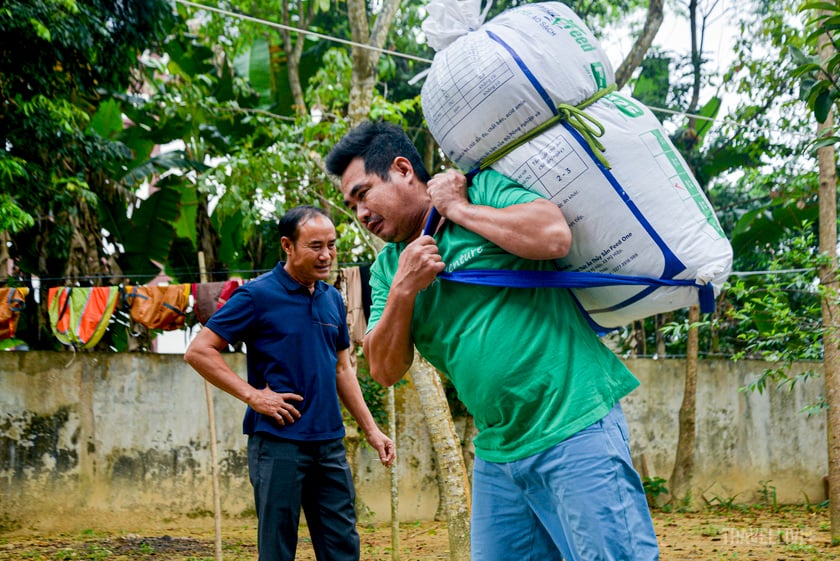
From lumberjack to leader of a porter army.
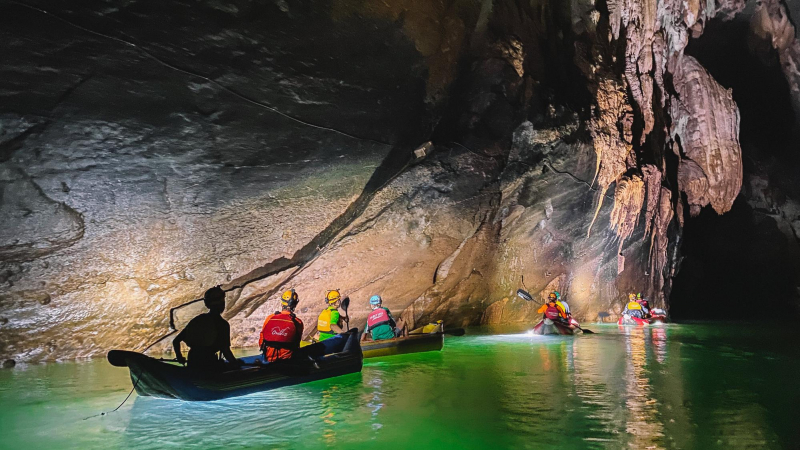
In 2013, when the Son Doong adventure tour was launched, Ho Khanh became a porter, carrying tourists, film crews, and foreign news agencies to explore the world's largest cave. Each year, he spends time one or two times with the expedition team of the Royal British Cave Association to explore and search for new caves.
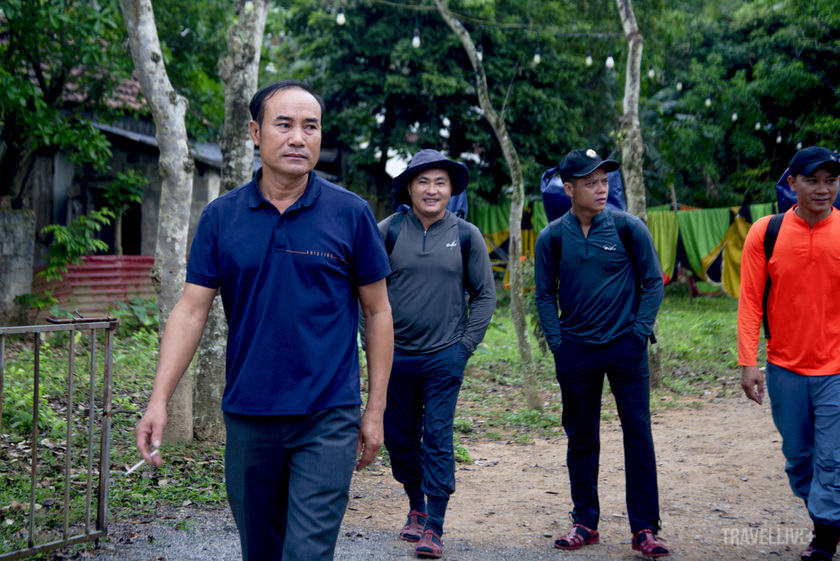
Coordinating a team of porters to explore Son Doong Cave, the world's largest cave.
After many years as the captain and porter of Son Doong Cave, Ho Khanh accumulated some capital and knowledge during his time there. Currently, he only occasionally goes into the forest, only when requested by tourist groups. Otherwise, he stays home managing and coordinating the team for each tour. He and his wife have built a small homestay on the banks of the Son River in Phong Nha town, Quang Binh province, where his family lives. The homestay has 8 comfortable bedrooms and is run by his wife – with hard work and the support of friends and colleagues, Ho Khanh's homestay has now become a very attractive destination for both domestic and international tourists. Ho Khanh's homestay has created jobs for his wife and children and some local people.
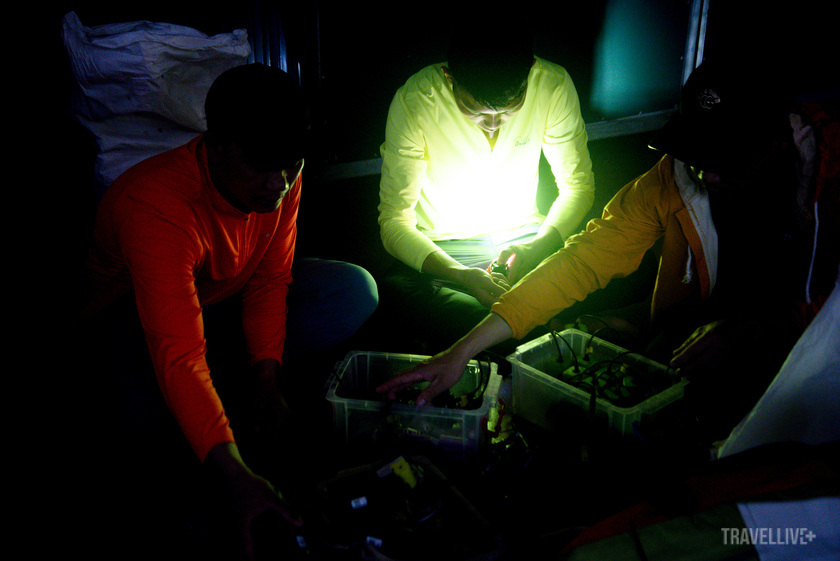
He recounted that in 2020, when COVID-19 started, like other accommodation businesses in the area, his family went through two very difficult years. With the annual flooding in Central Vietnam, every time a storm hit, the furnishings in his homestay were damaged, forcing him to constantly renovate and repaint it. “Before the pandemic, most rooms were fully booked, but now it’s only occasionally. And we haven’t even finished building much before the flood comes and we have to renovate again – there’s nothing left! Oh well! But it’s still fun…” – Mr. Khanh shared.
Looking back on his journey from a poor, school-dropout boy and a wandering lumberjack to a "leader" of porters, Ho Khanh has contributed to changing an entire community. Thanks to him and the porters of those days, Phong Nha has not only been preserved but also developed sustainably. The foresters of yesteryear no longer hunt and exploit timber illegally, but have become pioneers in protecting the forest and nature.
And it all began with a man who took shelter from the rain in the forest more than 30 years ago.