VI
VI


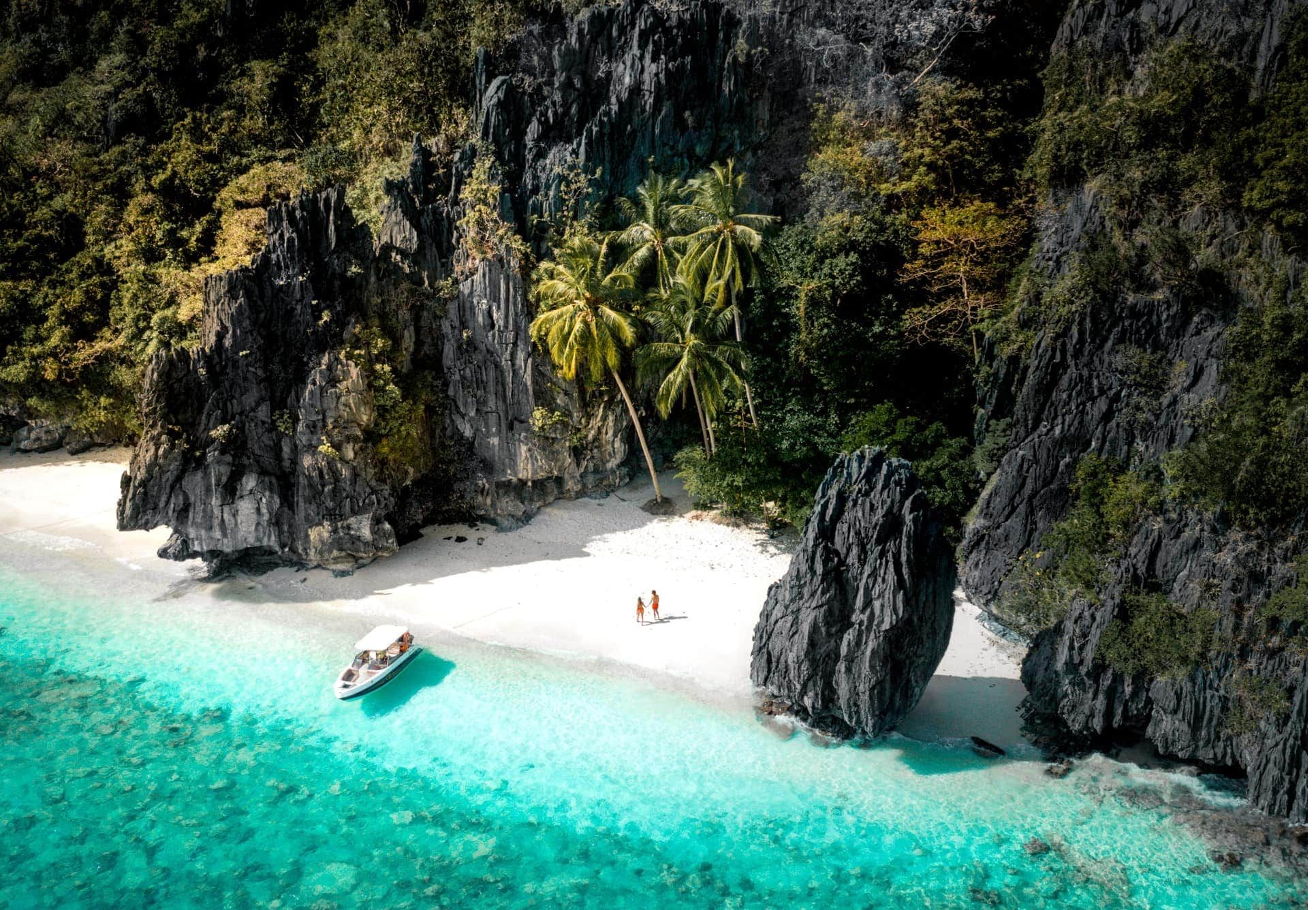
Bali, Indonesia: Stay away from Besakih Temple.
In an article published in the Strait Times, author Ronan O'Connell stated that he often visits destinations in Bali with a local driver named Made. However, when discussing the Besakih Temple, the author received advice from Made not to enter because "there will be a lot of trouble." According to the driver, some people living around the Besakih Temple consider it "private property," and visitors from other places, including Indonesians, are required to pay various fees when visiting.
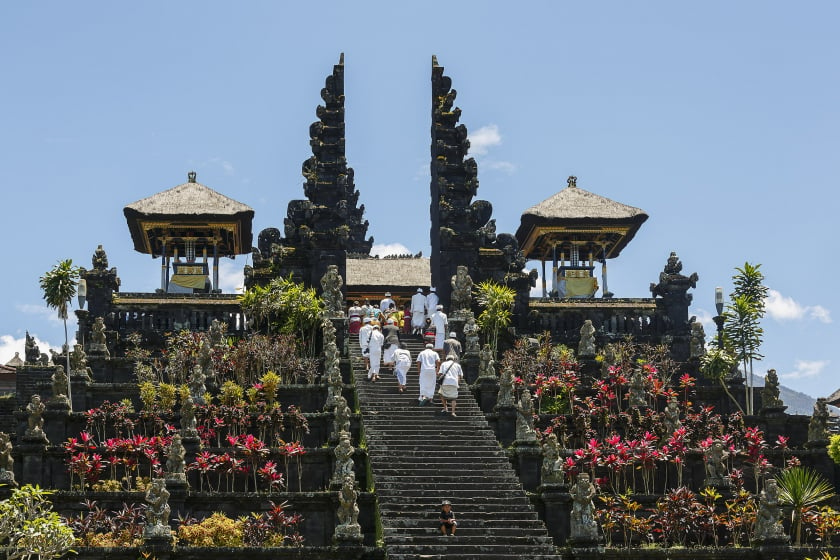
Visitors from other places, including Indonesians, must also pay various fees when visiting.
Ronan O'Connell still wanted to enter the temple and agreed to pay the entrance fee. "However, shortly afterwards, some local men approached me and insisted I hire a guide. Made had warned me that this was inappropriate, so I politely declined and continued on my way," the author recounts. "Some in the group still followed me and became aggressive. One man shouted at the other guides present. The situation became so unpleasant that I had to leave, despite having traveled a considerable distance to get there."
Made notes that even after paying a substantial fee to the guide, locals may continue to solicit “donations” for each of the smaller temples in the area. The author concludes that tourists should steer clear of Beesakih Temple and choose another destination among the more than 10,000 temples in Bali.
Bangkok, Thailand: Beware of floating market advertisements.
Visiting floating markets is advertised in most guesthouses, hotels, and travel agencies throughout Bangkok. Many tourists want to spend time visiting these unique floating markets. However, the reality is sometimes far different from the advertised images.
Many "floating markets" in Bangkok exist solely as tourist attractions or photo spots for young people. This is a far cry from the floating markets in Can Tho city, Vietnam, where genuine life and trading activities create truly spectacular scenes.
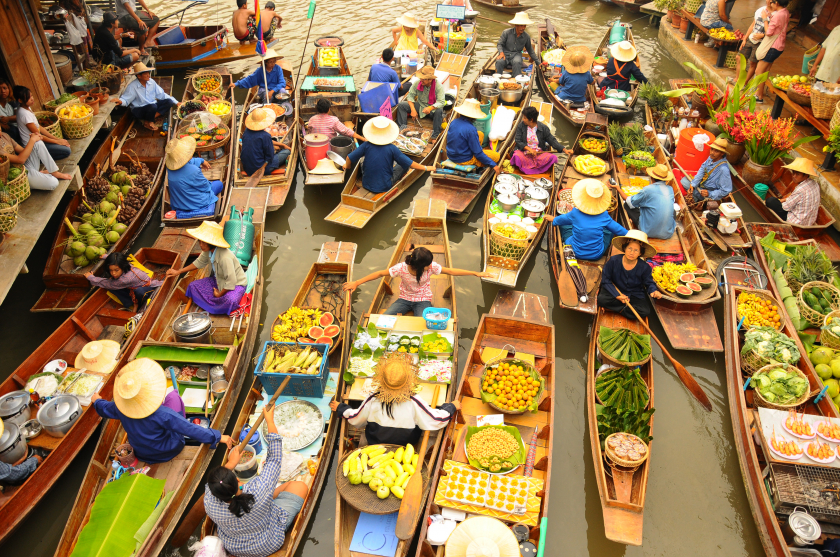
A floating market in Thailand
Meanwhile, some markets in Bangkok are called "floating markets" because they are located next to muddy canals and may not have vendors on boats. Khlong Lat Mayom, Khlong Bang Luang, and Bang Nam Phueng are just ordinary markets adjacent to canals, but they are still interesting destinations. Places like Damnoen Saduak, Amphawa, and Taling Chan are considered "traps" due to overpriced goods or unfriendly vendors.

Manila, Philippines: Tricks involving horse-drawn carriages
Many popular tourist spots in Manila, Philippines, offer visitors the sight of smiling men in brightly colored horse-drawn carriages, known as "kalesa." At first glance, this might seem like a quirky and memorable travel experience. These carriages are also very photogenic, especially when photographed against the backdrop of the beautiful Rizal Park or the European-style architecture of Intramuros, Manila.
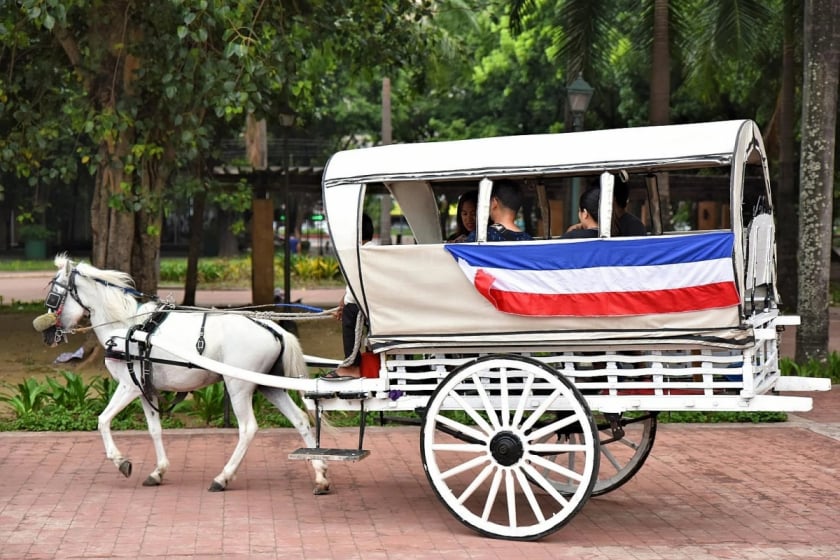
These "kalesa" are often associated with scams targeting tourists.
The seating on these vehicles is very inconvenient for tourists. Furthermore, the complexity of traffic in Manila can be overwhelming for visitors. Moreover, the biggest concern is that these "kalesa" are often associated with scams targeting tourists.
Taxis often lack meters to calculate fares based on distance, and drivers deliberately avoid discussing the exact price. Their strategy is to quote an exorbitant price at the end of the trip; or they might quote a price initially, then later go back on their word, claiming it was just a starting price.
Cambodia: People impersonate orphans to beg for money.
Many years ago, during a trip to Siem Reap (Cambodia), Ronan O'Connell visited a local orphanage after a taxi driver suggested it was in danger of closing due to lack of funding.
"At that time, I was very happy to be able to help people in such circumstances. We drove there, and the children were already waiting, surrounding the car and cheering. The children took me into the classroom to participate in fun activities with the teacher, and then we all enjoyed food together in the garden," Ronan O'Connell recounted.
Later, the manager approached the foreign visitor to discuss the unit's difficult circumstances and express his hope for donations from benefactors. Ronan O'Connell subsequently donated over $100 in cash.
However, before leaving, this visitor also noticed a change in the attitude of the children and staff there: "It was like I had just enjoyed a spectacular performance and it was time for the curtain to fall."
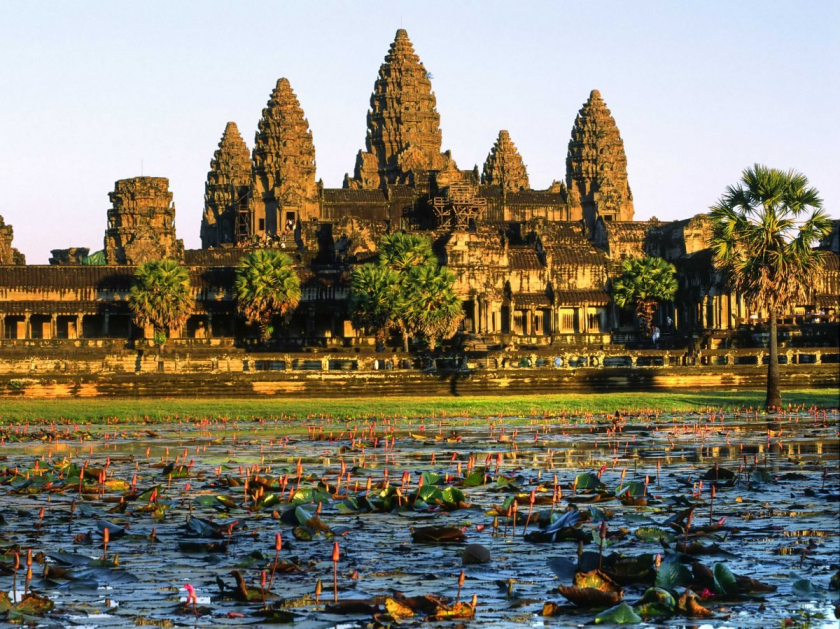
Siem Reap is home to a fake orphanage.
Later, the author learned about the rise of fake orphanages in Cambodia. Children were brought in to pose as orphans, along with scammers, to extort money from tourists. In 2017, the United Nations collaborated with the Cambodian government to crack down on these fraudulent orphanages. According to the findings, more than 10,000 children were operating as orphans in these camps across Cambodia.
However, Ronan O'Connell noted that there are still orphanages in Cambodia that are truly struggling and in need of help. Therefore, if you want to do charity work while traveling in Cambodia, you should do your research instead of accepting the impulsive offer of a taxi driver.