VI
VI




During the period of modern Vietnamese music, artists chose autumn and romantic themes so often that it was called the season for writing "love diaries through music".
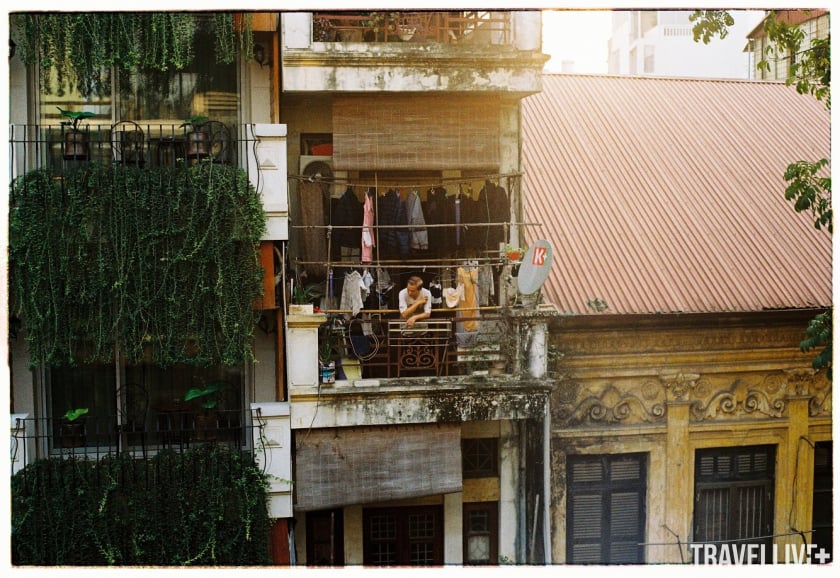
Autumn possesses two qualities: beauty and melancholy.
"First love in the monsoon wind, my dear."
When we talk about music, we often focus on the lyrics. Unlike other art forms that require a foundational knowledge to understand them, music is more easily perceived and subjective. The words in music reveal the artist's personal memories and demonstrate that a song can endure despite the great changes of the times.
Perhaps no other city has been as beloved by musicians as Hanoi, especially Hanoi in autumn. It is a Hanoi that is elegant and melancholic, refined and free-spirited in its lifestyle and in its way of loving. Many generations of musicians have used Hanoi's autumn to create love stories, from whimsical melancholy to passionate romance.
When discussing music about Hanoi's autumn, it's impossible not to mention Doan Chuan – the composer who chose autumn as the setting for most of his songs. In fact, the legend of Doan Chuan was for a long time equated with the legend of the elegant, old Hanoi. For Doan Chuan, autumn was the pretext for him to express his feelings about the love affairs in his life, many of which were merely fleeting artistic romances, like so many artistic romances of youth at that time.
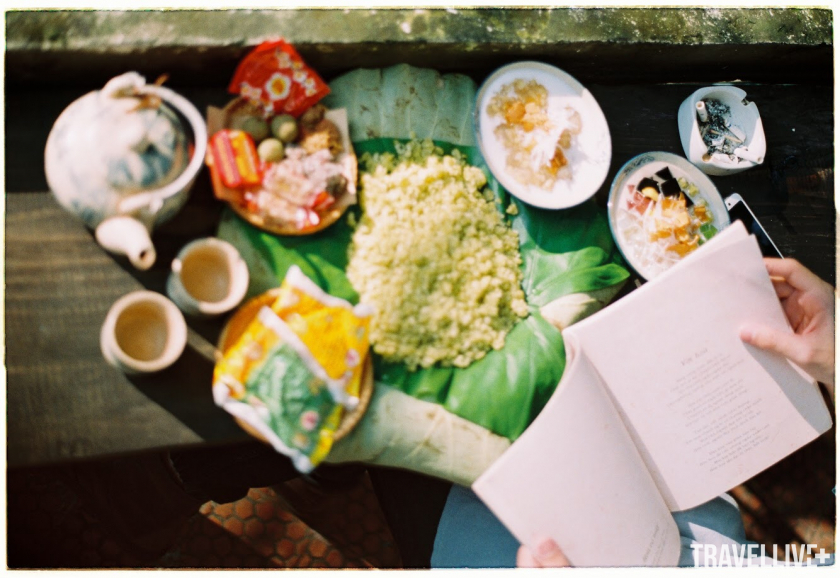
Autumn in Hanoi always evokes a lingering feeling of unforgettable love.
However, Doan Chuan's autumn is not just about vague, dreamy emotions; it's also the setting for fleeting love affairs that leave deep, unhealing wounds. His 1952 song, "Sending the Wind to the Thousand Clouds," is a masterpiece about autumn, love, a bygone Hanoi, the passing of blue dresses in the artist's life, and a profound sadness about the uncertainty of life.
"Sending the wind to carry the clouds away / Sending the strings of the lute to find love / Sending another letter of love in blue / To eyes like autumn lakes"
In Doan Chuan's music, we easily encounter beautiful yet melancholic imagery and lyrics, full of symbolic representations of love, much like in Tang Dynasty poetry. When we immerse ourselves in these songs, our hearts are like a spider's web, gently trembling and stirring with the sweet breath of autumn.
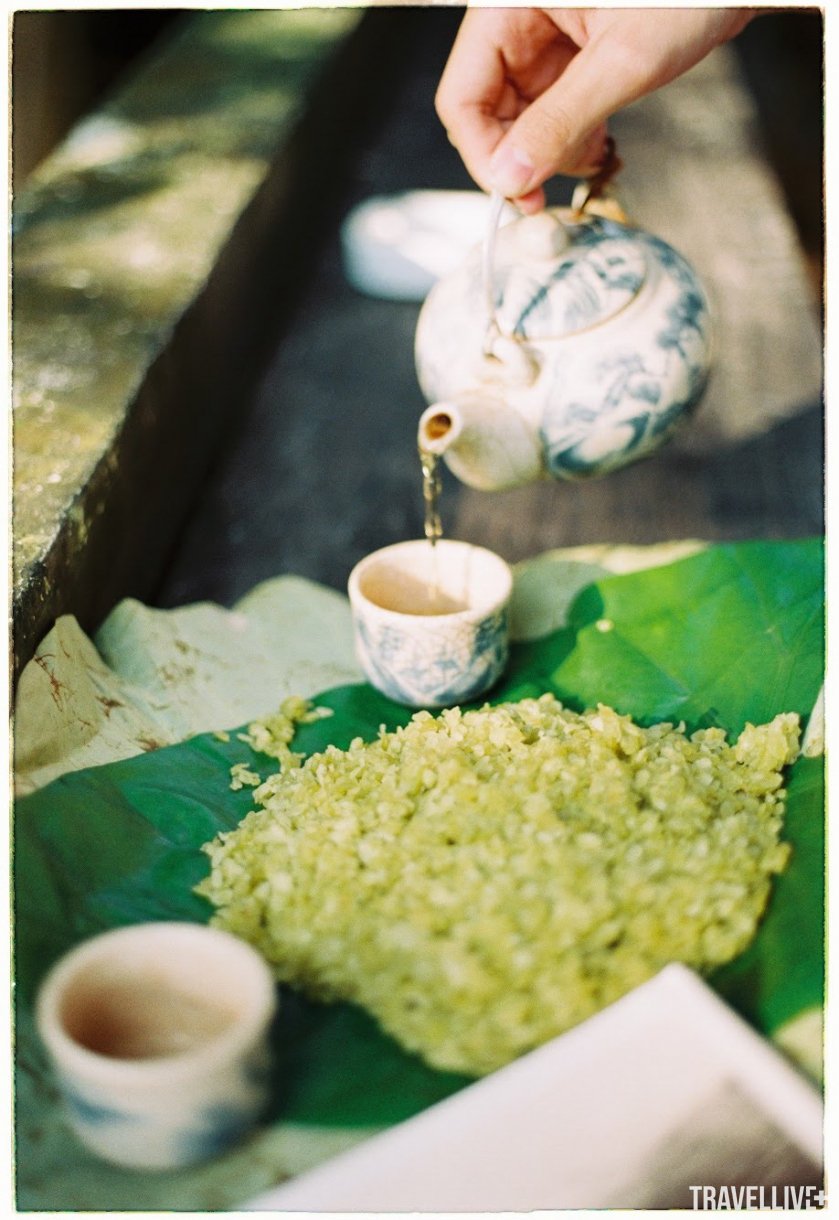
My heart is filled with mixed emotions amidst the gentle breath of autumn.
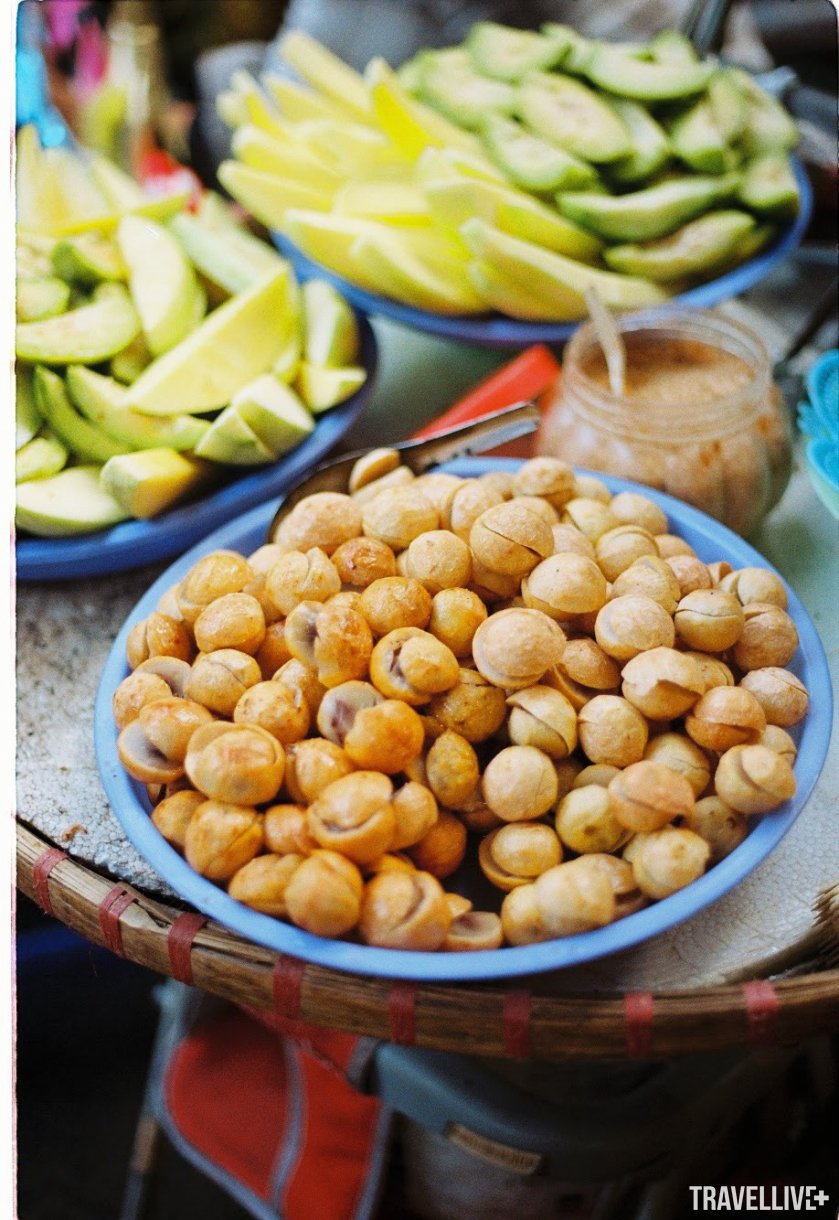
My heart is filled with mixed emotions amidst the gentle breath of autumn.
“The sky and earth turn a pale blue / Butterflies frolic among countless flowers / Beside beautiful roses” (Enchanting Autumn). Or “I send a few flower petals to my beloved / White orchids like your hidden charm / In the sad purple scent of autumn” (Petals of Past Life Destiny).
Another remarkable thing is that in Doan Chuan's very autumnal songs, there isn't a single word mentioning Hanoi, yet listeners can still feel it. It seems that only Hanoi's autumn could inspire him to compose such captivating and love-filled songs.
For Doan Chuan, autumn was sometimes something to look forward to; the green color of autumn was a color he had fallen in love with, or perhaps it was the time when first love arrived in the first autumn breezes.

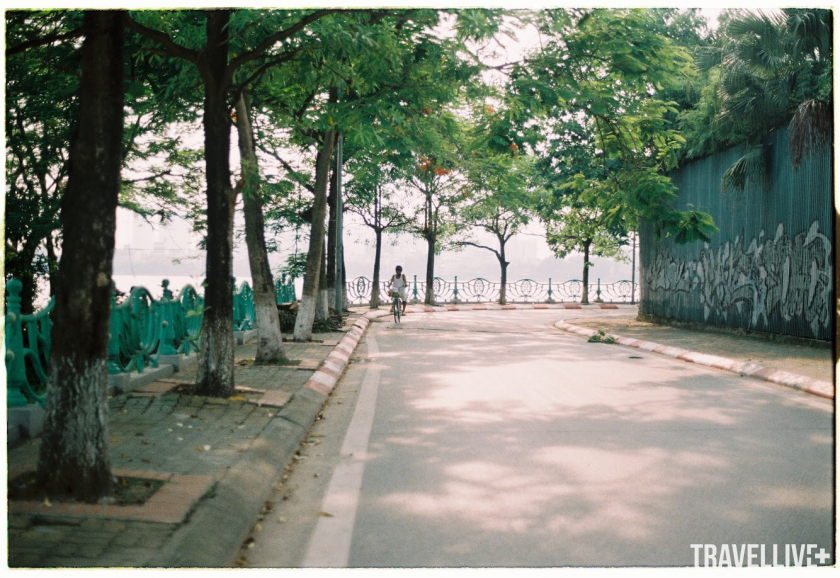
"I heard it, I heard the autumn spirit saying, 'Let's love each other.'"
"I heard it, I heard the autumn spirit saying, 'Let's love each other.'"
Besides the name Doan Chuan, many other composers in the Vietnamese modern music scene also deeply cherish and yearn for autumn and love in autumn. In the 1960s, composer Ngo Thuy Mien introduced the song "Autumn for You" to music lovers in the South when he was just 20 years old. More than 60 years later, that love song is still included in the list of the best lyrical songs about autumn. The subtlety in Ngo Thuy Mien's musical sensibility is that he could even hear the sound of a golden deer singing amidst the "rain falling on the leaves."
"Do you hear the autumn sobbing for someone? Do you dream of a season with teary eyes? And do you dream that when autumn comes, we will walk the same path together? You and I dream of that autumn, our love fragrant with scent."
Amidst the gentle autumn rain, the rustling wind, and the whispering leaves, the sensitive soul of the artist can even hear the song of the golden deer, a song of love. Is this the artist's ability to easily be moved by nature, or is the musician himself singing a love song, then "shifting the blame" to the bewildered golden deer?
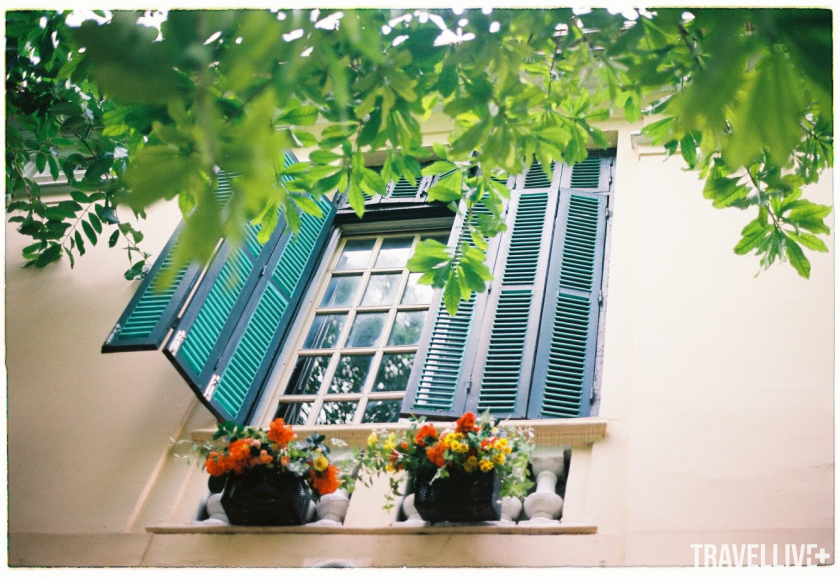
Autumn brings gentle breezes, golden deer, and light rain.
Through iconic autumn imagery such as the gentle breeze, golden deer, and light rain, Ngo Thuy Mien has painted a unique autumn love story in a soothing melody and profound lyrics. And so, "Autumn for You" remains a declaration of love, a subtle expression of affection in a romantic world where only two people exist. The beauty of love is also the main reason for existence in this world.
Around that same time, in 1953, the then 18-year-old composer Cung Tiến, upon arriving in Saigon, reminisced about Hanoi and wrote the romantic song "Golden Autumn." Unlike the emotions evoked by shy, budding love and the expression of feelings for a lover, Cung Tiến's work is full of the pure, youthful, and graceful spirit of his early years.
"Yesterday afternoon I wandered the streets / The sunset descended, the evening was filled with countless fragrances / Yesterday afternoon I was lost in thought / Autumn has arrived, with golden threads of light and mist."
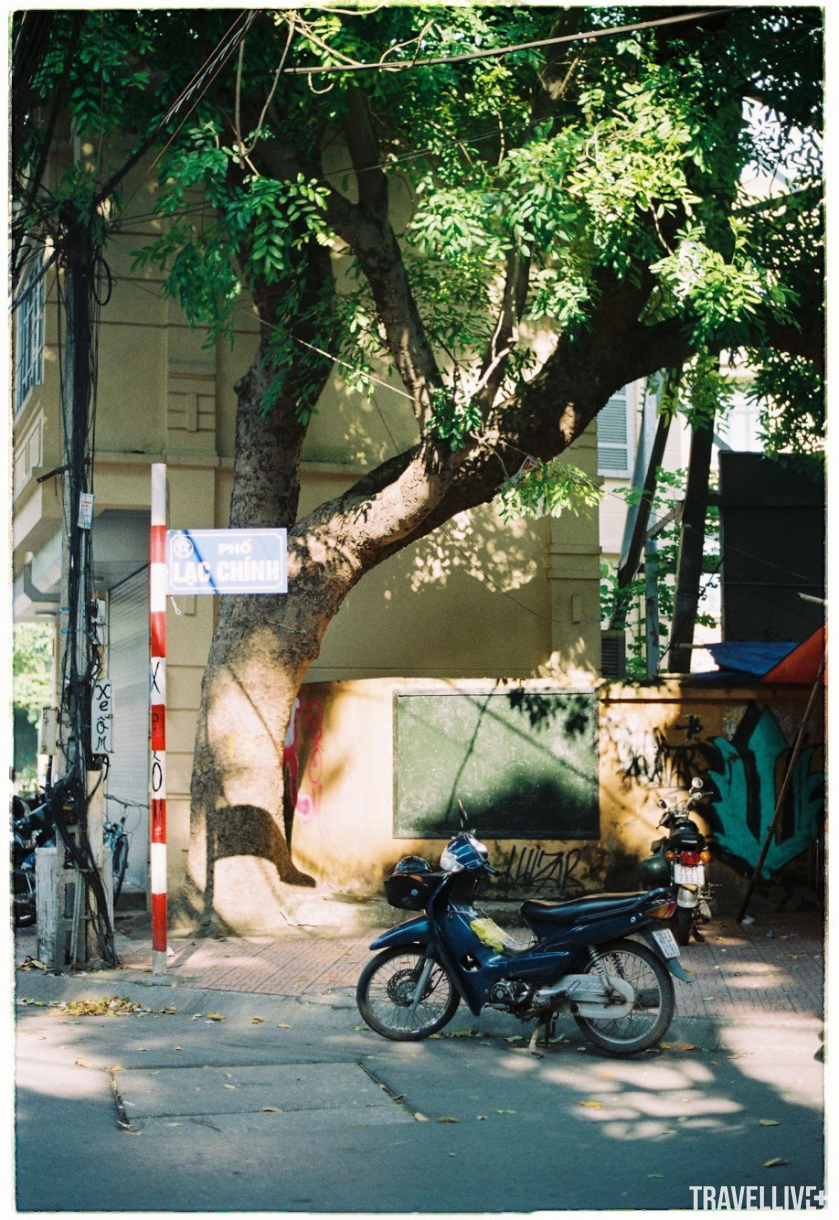
Autumn, the season for wandering and having fun.
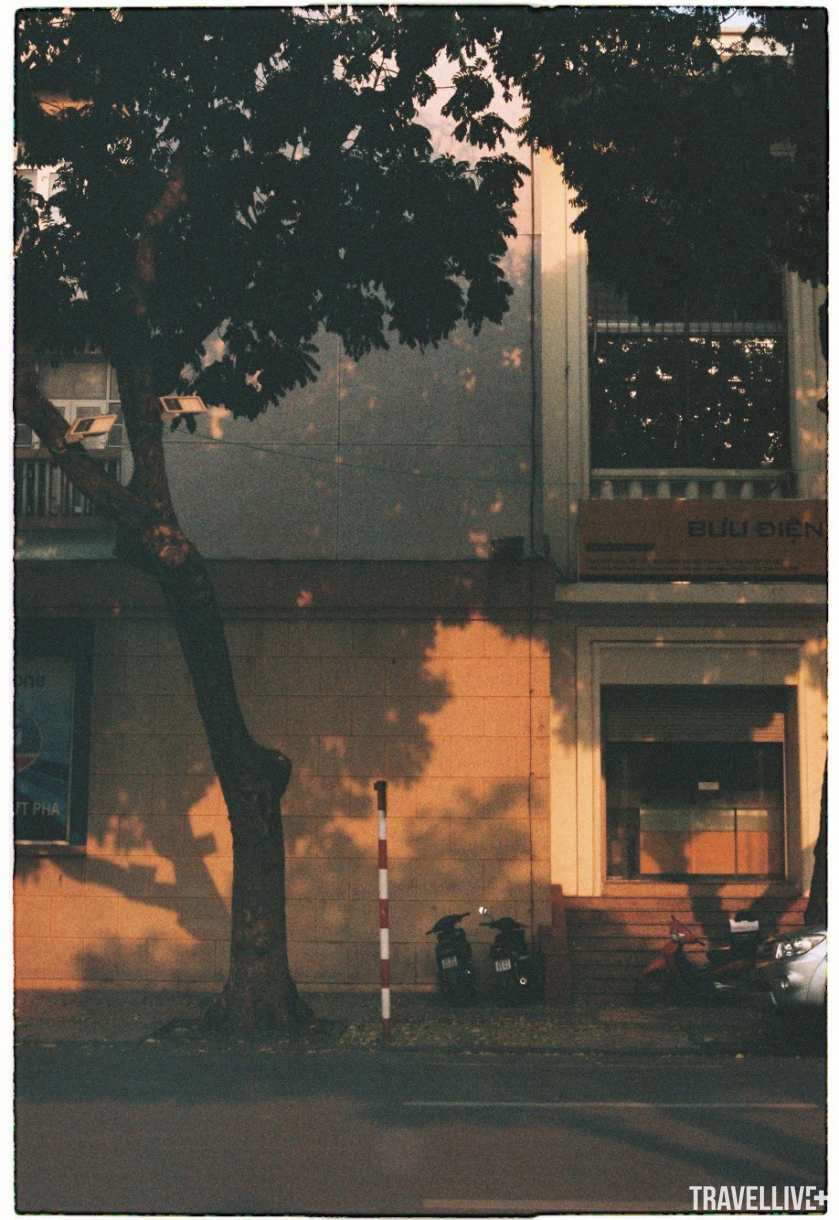
Autumn, the season for wandering and having fun.
More than just lyrics, this is truly a stroll through the autumn of words in music. A young student, his soul just beginning to blossom, starts to observe and feel more deeply the beauty of the earth and nature, experiencing for the first time pure, passionate, and indescribable emotions. Perhaps, for musicians, beautiful love is the kind of love that always leaves a lasting impression on their artistic creations.
Not only artists born and raised in Hanoi, or those who left Hanoi to make a living elsewhere, but also those who have never set foot in Hanoi have a very special and warm affection for Hanoi's autumn.
"Is it true that in Hanoi's autumn?" was composed by musician Tran Quang Loc in 1972, based on a poem by To Nhu Chau, two close friends. Remarkably, at that time, neither the poet nor the musician had ever visited Hanoi. Yet, in their perception, Hanoi appeared with a magnificent and romantic beauty.
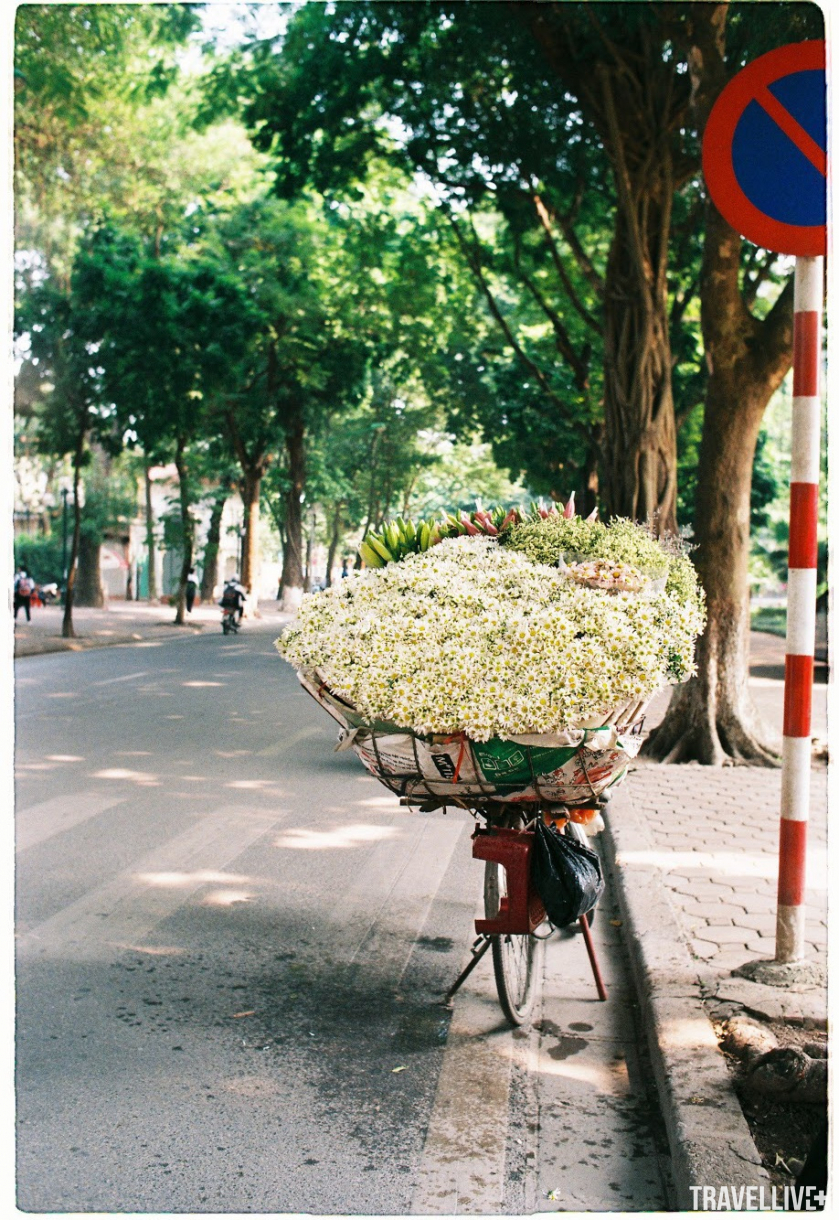
Hanoi appears with a romantic beauty.
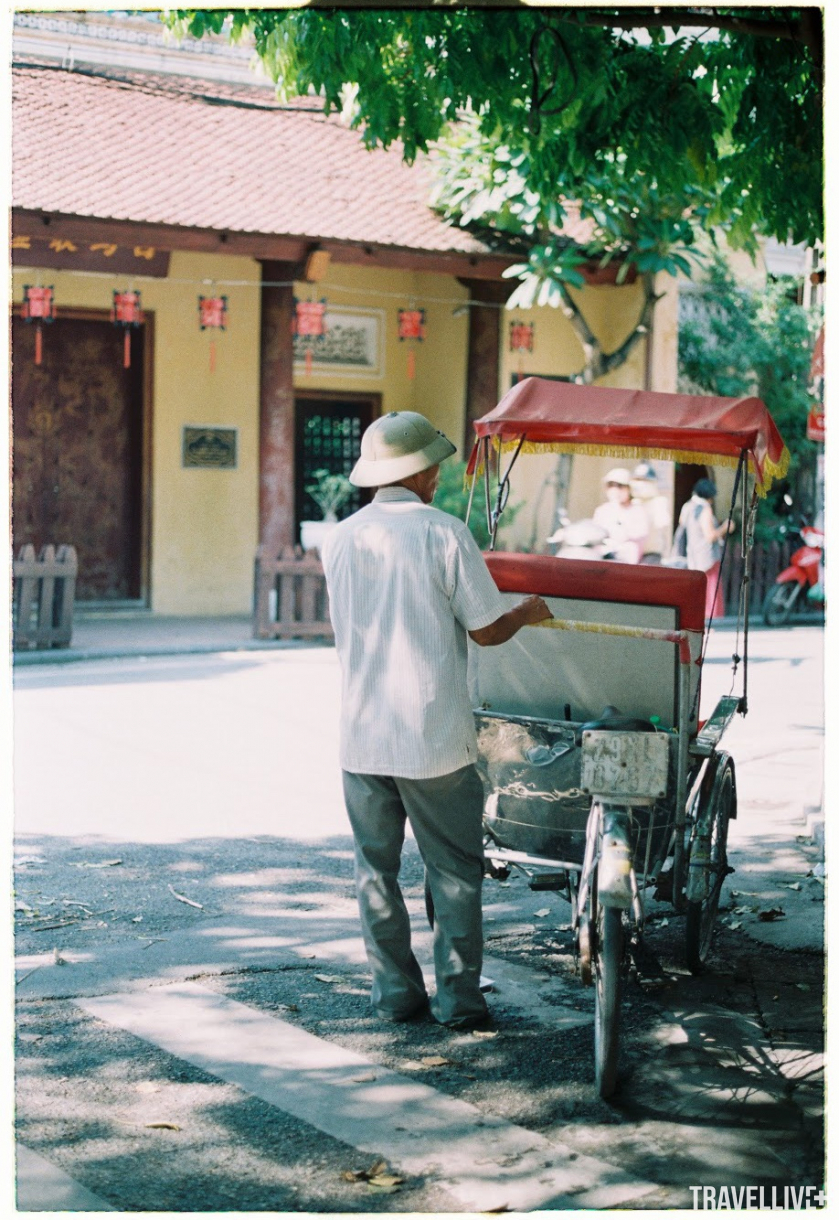
Hanoi appears with a romantic beauty.
"The shadow of autumn awakens my late-blooming heart / One day, returning south, I stop at melancholic Thang Long / Are you the autumn of Hanoi? / On the day autumn arrives, I lay leaves for you to lie on."
Generations of listeners agree that Tran Quang Loc's talent in this song lies in his skillful integration of all the colors of nature, of the autumn sky, with the image of a girl, such as "distant sky, mist blowing through her hair," "mist and smoke, soft lips," "rain and green eyelashes." More than that, the image of the girl is inextricably linked to Hanoi's autumn, or vice versa, in a recurring line that is also the title: "Are you the autumn of Hanoi?" "You" here could be autumn, or it could be some other lyrical subject. But one thing we all agree on is that "Are you the autumn of Hanoi?" makes us feel more deeply and passionately in love with each other.
"You make autumn dreamy for me."
Along with the autumnal sensibilities of composers from the modern and pre-war eras of Vietnamese music, contemporary Vietnamese music also boasts many names who possess love songs about Hanoi's autumn with a new lyrical inspiration. One of them is composer Viet Anh. Autumn in Viet Anh's music seems to always be haunted by the separation and solitude of love.
"No more autumn, the moon falls on the doorstep / No more lullabies, dreams on soft lips / My dear, like the first spring, prolongs the long night."
(No more autumn)
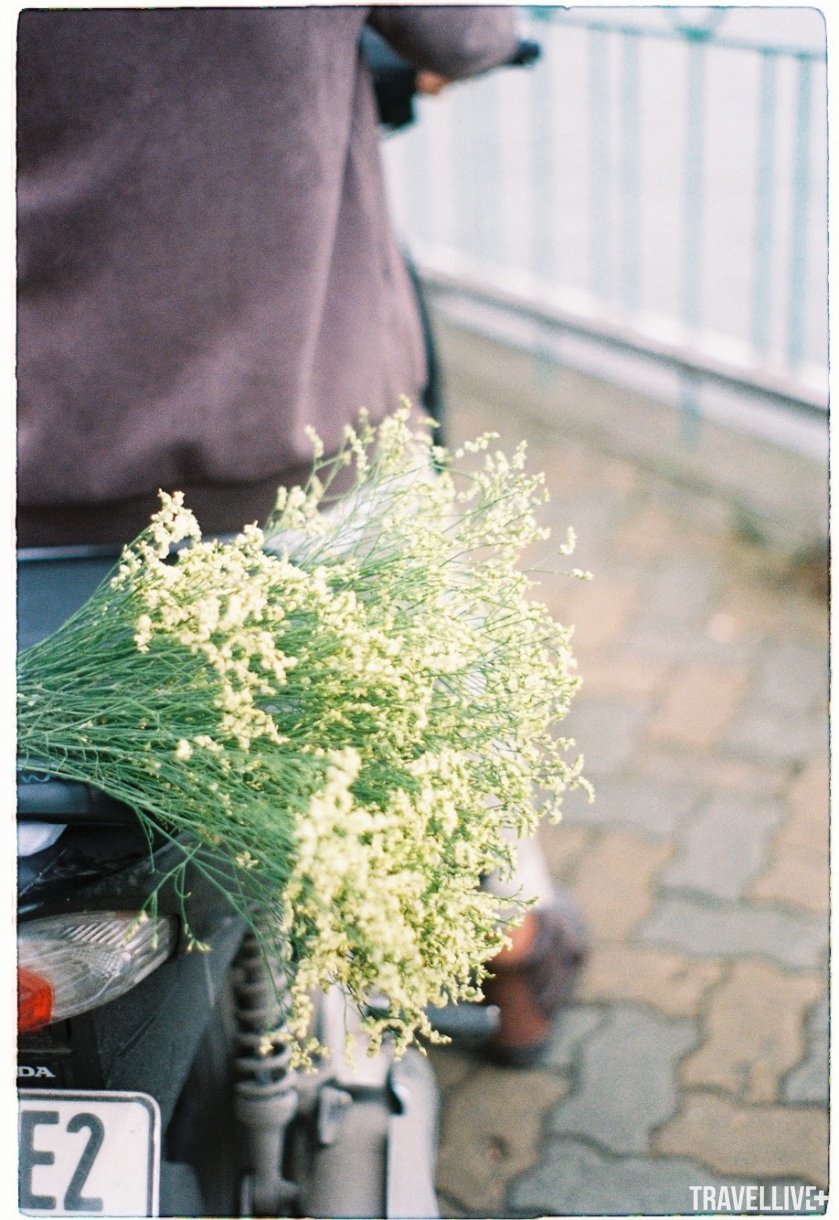
No more lullabies, no more dreams on soft lips.
No more lullabies, no more dreams on soft lips.
We easily recognize him as gentle and romantic as autumn, so I let myself drift into dreams, embarking on adventures of passionate love. He is like a lullaby, clinging tightly to me, from which my desires are elevated. How sincere and heartfelt his feelings for me are! But who can predict whether their love will remain strong and everlasting? Therefore, the following line, "I leave, what regrets of golden autumn, what regrets of spring," suddenly brings a touch of melancholy and sorrow to the listener.
Perhaps, Vietnamese people always find sweetness in the bitterness of unfulfilled love. These are notions of love, even when broken and fraught with difficulties, that still hold a romantic edge amidst a "new generation different from the past." Whenever we are heartbroken, infatuated, or simply burdened by the sadness of love, we instinctively seek out music to bring us peace, harmony, and tranquility. Just as countless generations of musicians have turned to music to express their feelings.
The sweetness amidst the bitterness of failed relationships.
The sweetness amidst the bitterness of failed relationships.
Allow me to borrow some lines from Trinh Cong Son's song "Autumn Melody of Hanoi" as a concluding remark: "Because of autumn, I stay/ Hanoi in autumn, Hanoi in autumn/ Hanoi in autumn overflows with memories/ Not because of you, or because of you."
Sometimes we choose to stay in or love a city simply because of a particular time of year, or a season that evokes longing and anticipation, like a delicious piece of cake kept in a cupboard. Or sometimes, it's simply because of a lover we've fallen for in this life, just as we always fall for autumn.