VI
VI


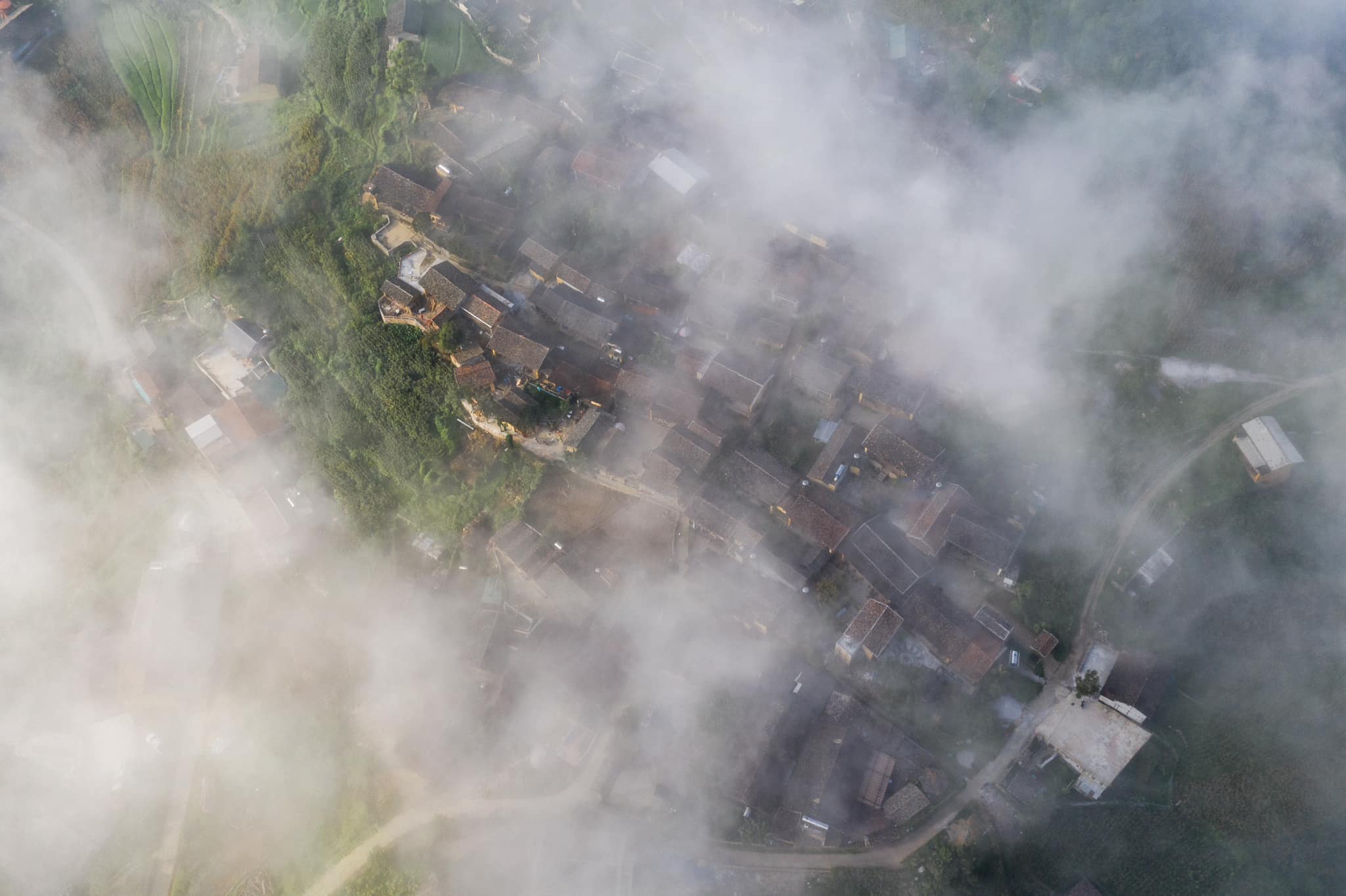
The Mong ethnic group's traditional rammed earth culture lives on at the foot of the Lung Cu flagpole.
The Lung Cu flagpole, proudly standing atop Dragon Mountain in Lung Cu commune, Dong Van district, has long been a sacred symbol of national sovereignty and the northernmost point of Vietnam. It attracts tourists not only because of its unique geographical location but also because of its majestic natural beauty and heroic historical stories.
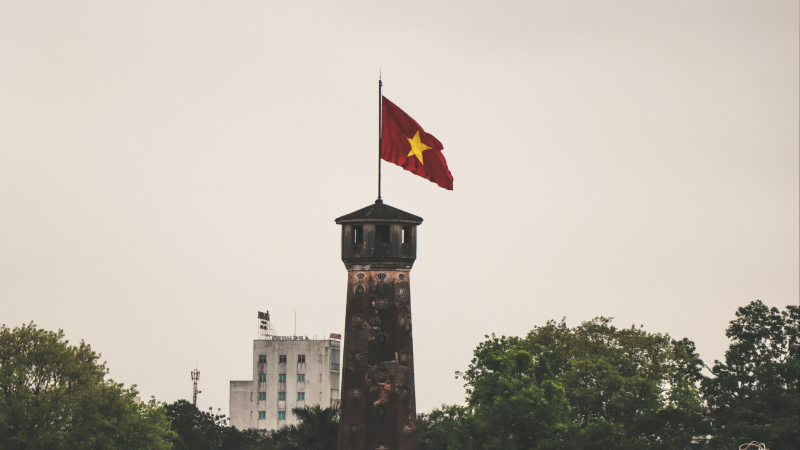
From the top of the flagpole, visitors can enjoy a panoramic view of the majestic mountains, deep valleys, and winding roads. Particularly impressive are the two natural freshwater lakes, affectionately known by locals as the "Dragon's Eye" lakes. These two clear, blue lakes never dry up, like two bright pupils in the heart of the mountains. The lake on the left is near Lo Lo Chai village, while the lake on the right is near Then Pa village.
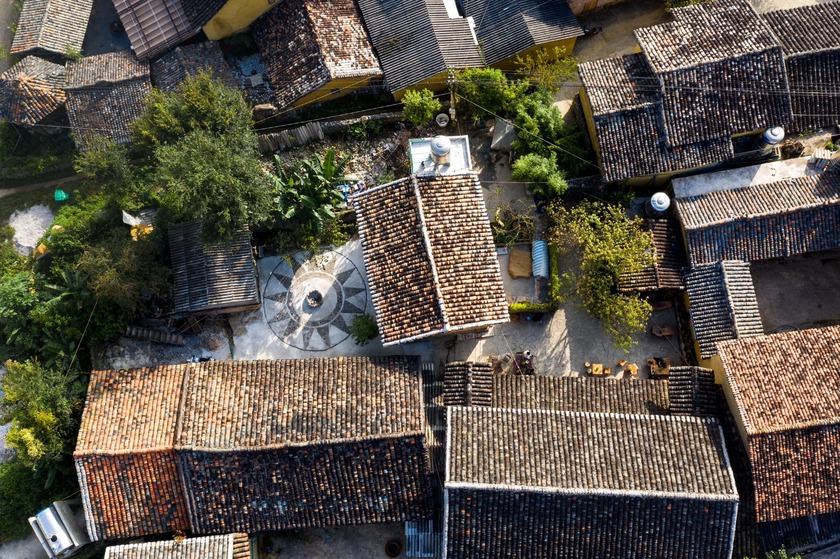
Thèn Pả, located at the foot of the Lũng Cú flagpole, still preserves many traditional features of the Hmong people, such as their way of life and their traditional houses with yin-yang tiled roofs.
Then Pa, meaning "large field" in the Hmong language, is a name that partly reflects the rare flat terrain of the Dong Van Karst Plateau. Then Pa lies peacefully at the foot of the Lung Cu flagpole, beside Dragon's Eye Lake, creating a picturesque and romantic setting.
From the foot of the Lung Cu flagpole, visitors only need to travel a short distance of about 1km to reach Then Pa. Although it possesses a prime geographical location, similar to Lo Lo Chai, Then Pa has developed tourism later and is currently not widely known to tourists. Perhaps that is why this small village possesses a rare tranquility amidst the vast mountains and forests.
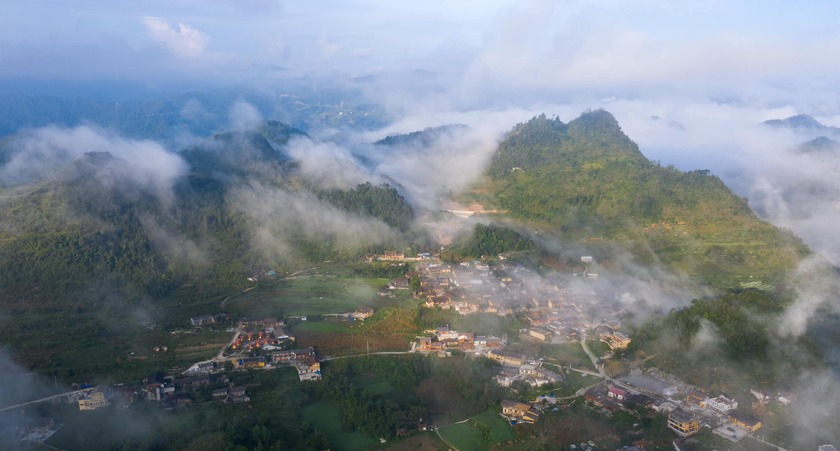
In the early morning, the village is shrouded in a hazy mist, and the villagers are awakened by the sunlight and the crowing of roosters heralding the new day, rather than the deafening noise of traffic like in the city.
Then Pa is like a shy "muse" nestled at the foot of the Lung Cu flagpole, isolated from the hustle and bustle of the outside world. Here, visitors can immerse themselves in a peaceful atmosphere, listening to the clear sounds of the mountains and forests, the chirping of birds on the branches, the rhythmic clacking of linen weaving, and the joyful laughter of children playing in the distance.
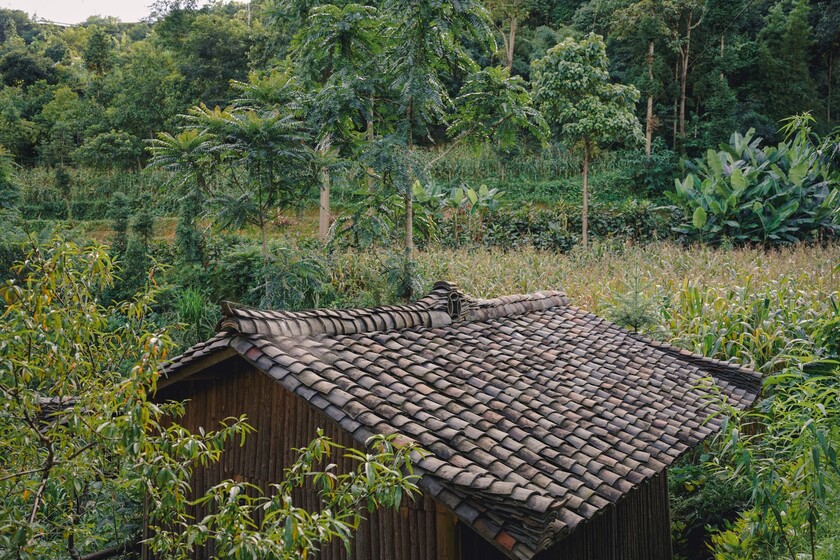
Not yet heavily developed for tourism, Then Pa village (Ha Giang) retains many unique cultural and traditional features.
The village of Thèn Pả is considered to have preserved, even after more than 100 years of history, many traditional cultural features of the Hmong ethnic group. Perhaps the most notable is the architecture of the houses, which are entirely made of rammed earth walls and yin-yang tiled roofs. The local people wear vibrant brocade clothing not only during special ceremonies and festivals but also in their daily lives and work.
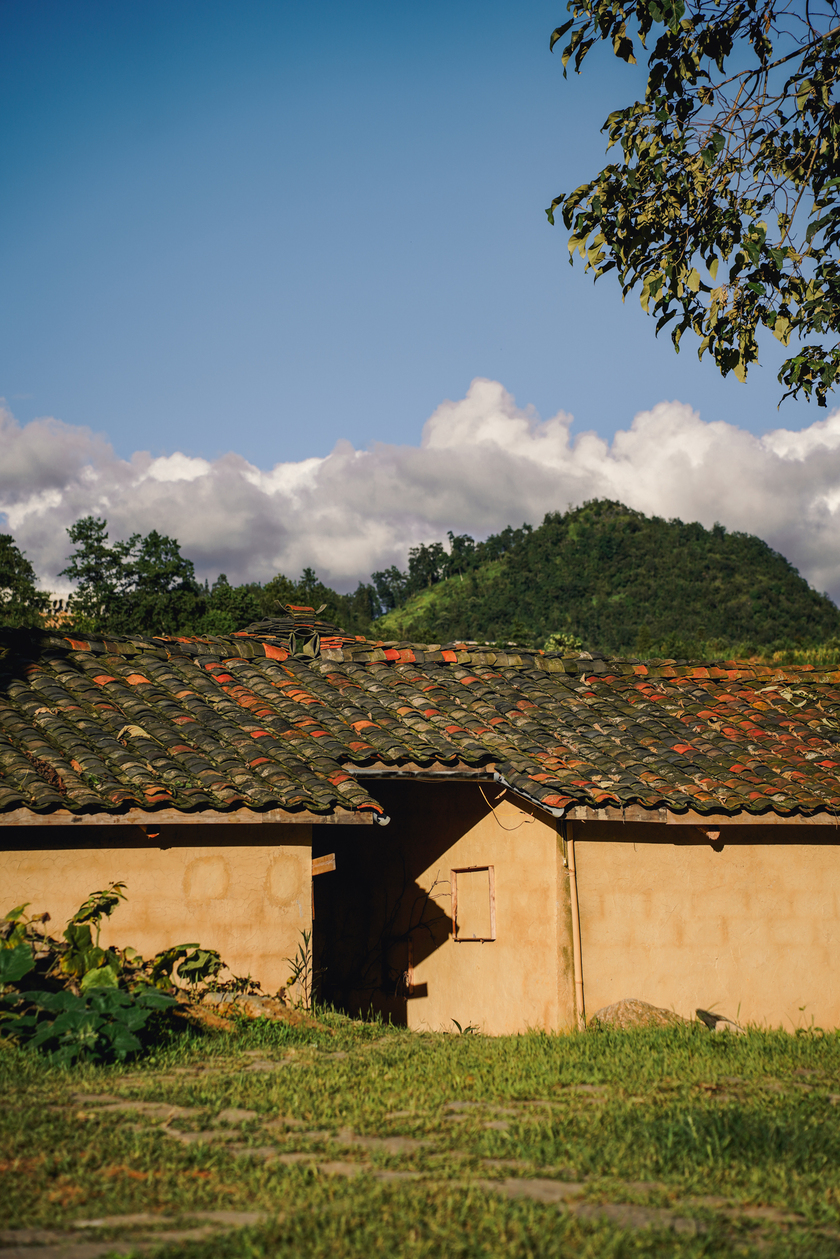
Most of the houses here are traditional H'Mông houses with earthen walls and yin-yang tiled roofs, and the village is surrounded by stone walls.
If you have the chance to stand at the Lung Cu flagpole and look down, you will see Then Pa village nestled amidst the gray, jagged rock formations of Dong Van. The village is tranquil and picturesque, with a truly beautiful and poetic landscape. Here, the houses of the local people are all traditional earthen houses with yin-yang tiled roofs, creating a distinctive feature of the Mong people's culture and way of life.

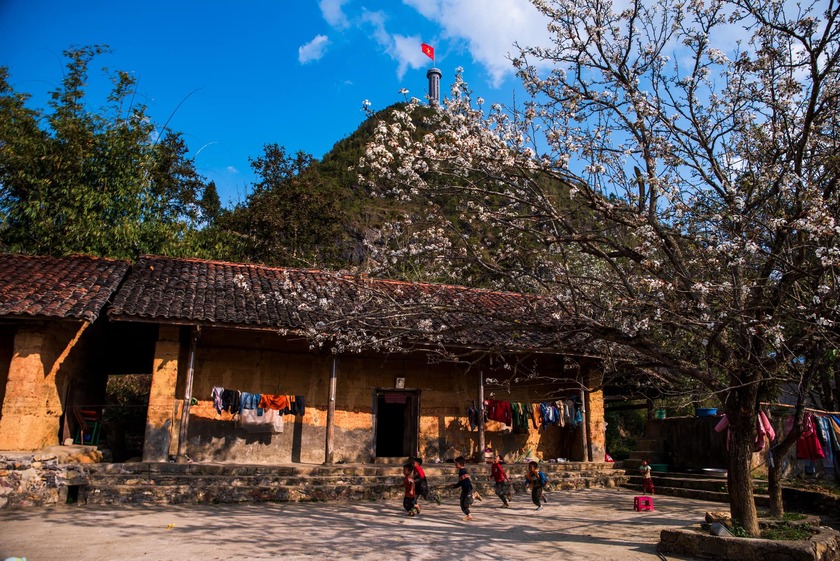
Visiting Then Pa, tourists will pass by two rows of ancient cypress trees, some hundreds of years old. This species is widely planted in Ha Giang because of its resilience and ability to thrive in the rocky plateau region. Cypress trees have straight trunks and branches that are beautifully and poetically layered. Thanks to this, the already beautiful scenery of Then Pa village becomes even more stunning.
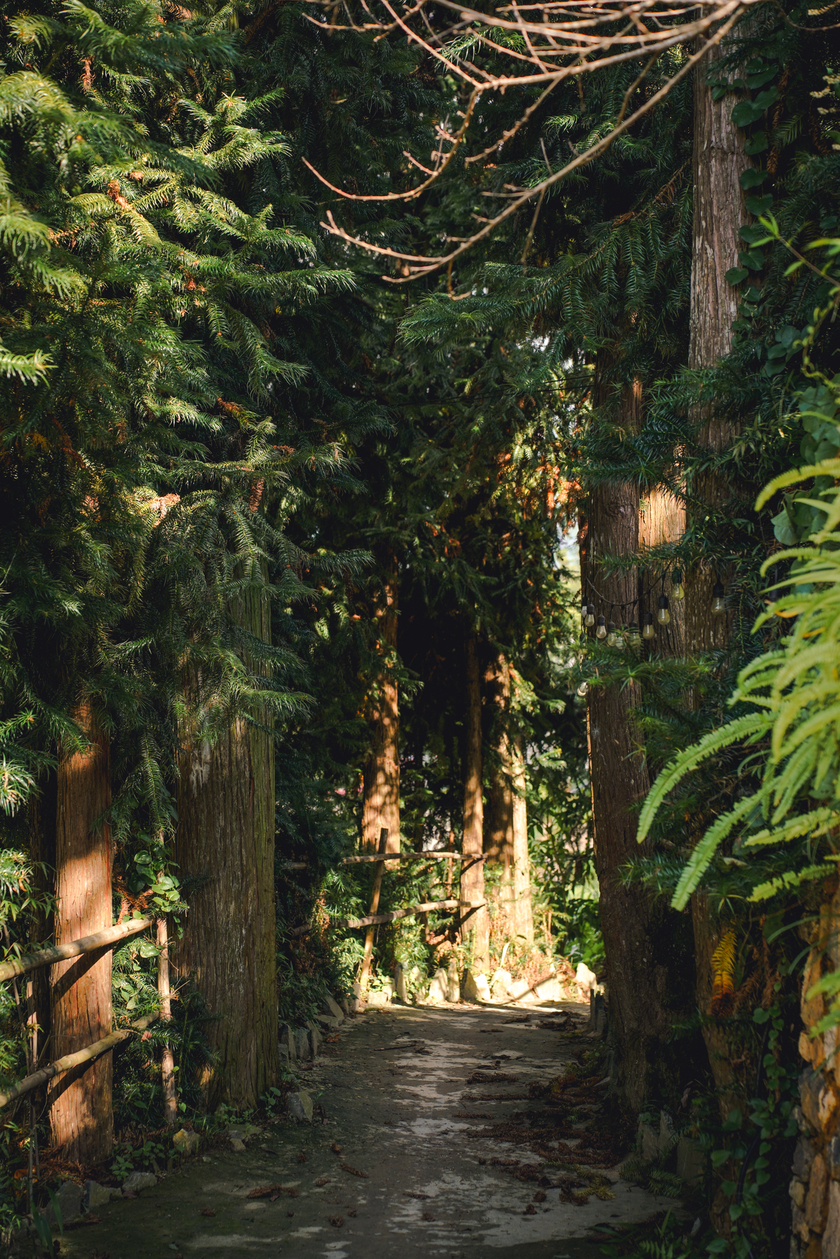
At the entrance to the village stand two rows of ancient cypress trees, hundreds of years old. Cypress is a woody, coniferous tree with a straight, conical trunk and horizontal branches growing in layers.
Stepping through the rows of cypress trees to enter the village, visitors will encounter rows of traditional houses with gray tiled roofs. Behind the houses, surrounding the courtyards, are lush green trees, creating a pleasant atmosphere that envelops the landscape. Thèn Pả is perhaps most beautiful in the early morning, when the ethereal mist envelops the village, further enhancing the beauty of the scene.
The serene beauty of the northernmost region of the country.
While Lo Lo Chai village stands out with its Lo Lo ethnic culture, Then Pa showcases the distinctive culture of the Hmong people. Two villages, two cultures, and two lakes create a unique and striking picture. In particular, the peaceful atmosphere in Then Pa is truly remarkable. One visitor remarked that here, people wake up to the sunshine and the sound of roosters crowing, not to the noisy car horns of the city.
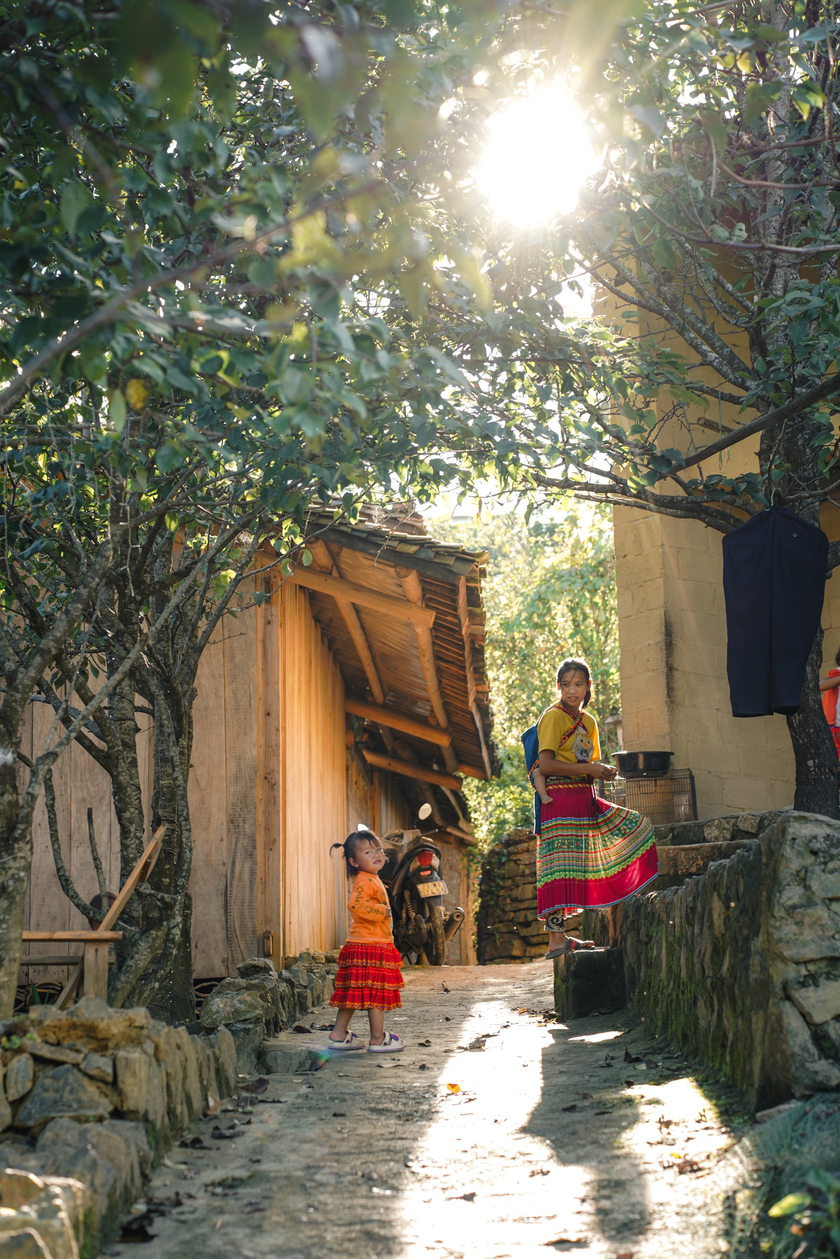
In the past, the lives of the people of Then Pa revolved around fields, livestock farming, and cultivation.
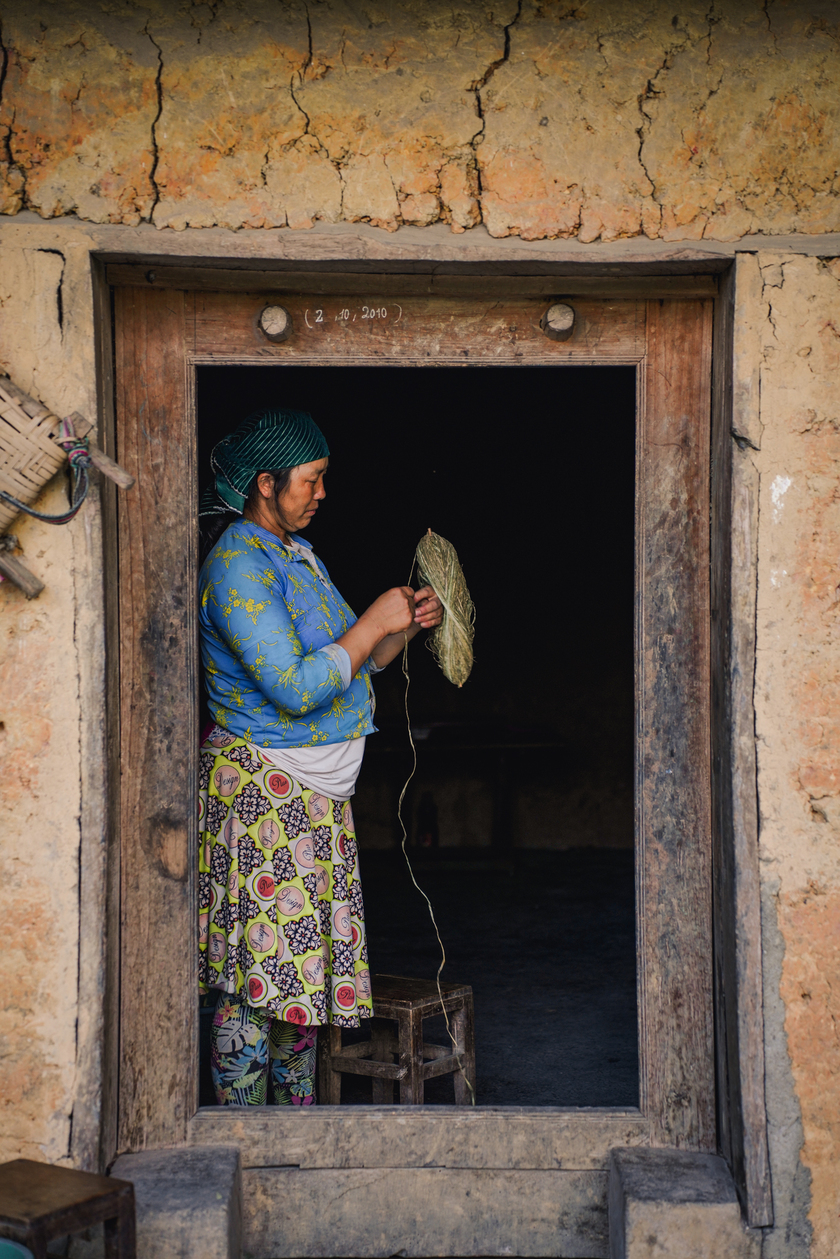
The lives of the people in Then Pa village used to be primarily based on agriculture, livestock farming, and crop cultivation. However, in 2021, recognizing the tourism potential, the local government encouraged households to invest in developing the service industry. Many traditional houses have been renovated into homestays to serve tourists. In addition, some families have also opened restaurants serving local specialties such as thang co (a type of stew), black chicken hotpot, men men (a type of corn porridge), etc.
Each season, the village of Thèn Pả takes on a different beauty. In spring, pear and peach blossoms bloom profusely, creating a romantic scene along the roads and in the gardens. The third lunar month is when the pear blossoms are at their most vibrant, making the landscape of Thèn Pả brighter and gentler than ever before.
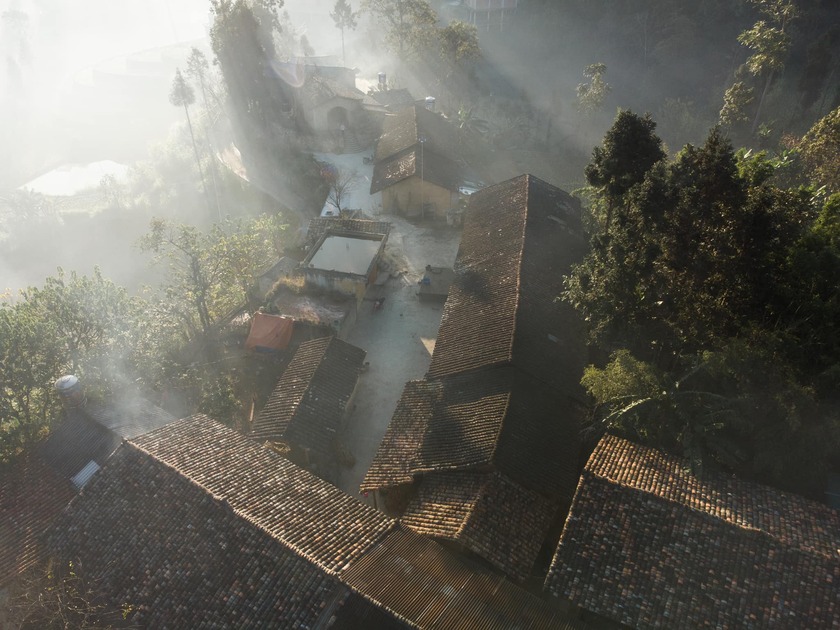
Then Pa is gently beautiful and peaceful every morning.
When summer arrives, the village becomes lush green with sprawling cornfields. Besides rice cultivation, the villagers also grow corn to improve their livelihoods. This is the ideal time to admire the pristine beauty of Dragon's Eye Lake.
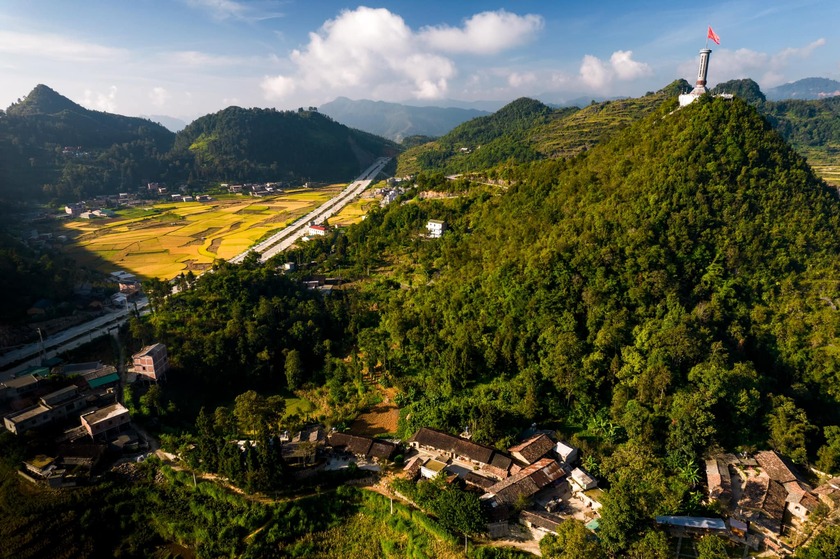
In autumn, the scenery becomes enchanting with golden ripe rice fields. Although it doesn't have as many terraced rice paddies as Hoang Su Phi, the beauty of autumn here is still very impressive. If you prefer cold weather and fog, visit Then Pa in winter. At this time, the temperature drops very low, and the hills and mountains seem to be enveloped in a quiet and somewhat melancholic atmosphere.
Living in the cold mountainous region, the Hmong people of Then Pa have developed traditional houses with earthen walls to cope with the harsh climate. These earthen walls and yin-yang tiled roofs not only help keep them warm in the cold winter but also create a breezy space in the hot summer, while also protecting them from wild animals.
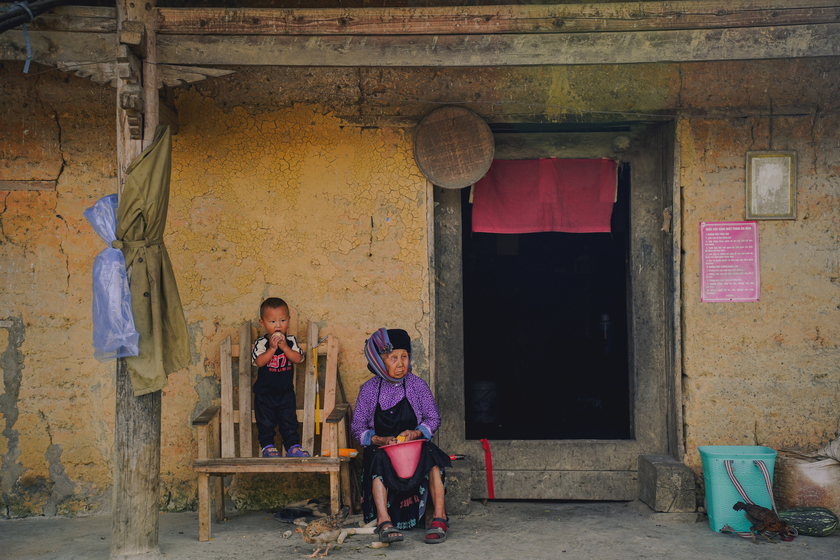
The people still work and live according to traditional customs, such as wearing brocade clothing, using tools made from wood, bamboo, and rattan, weaving cloth with linen fibers, and raising livestock.
The houses here are typically designed in a specific pattern, consisting of three rooms and two entrances. The left room is usually used for cooking and as the master bedroom; the middle room is for ancestor worship, as well as dining and entertaining guests; the right room is usually for guests to stay in, with a fireplace for warmth on cold days. The bedrooms are arranged efficiently with an attic floor for storing belongings and food.
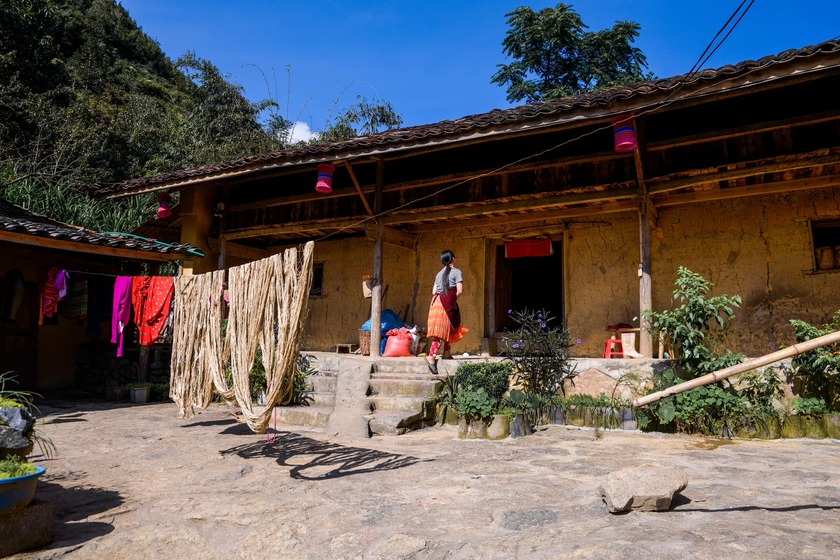
The people here live simple, sometimes difficult lives.
Before construction, homeowners choose plots of land with good feng shui, level the ground, and lay the foundation. The chosen soil must have a certain degree of plasticity and adhesion. When building a house, villagers participate together, each person taking on a different task from digging the earth to constructing the formwork. After the exterior construction is complete, the homeowner chooses an auspicious day to hold a ceremony to lay the pillars. Around each house, natural green stone slabs are arranged to form a fence, creating sturdy stone walls without the need for any binding material.
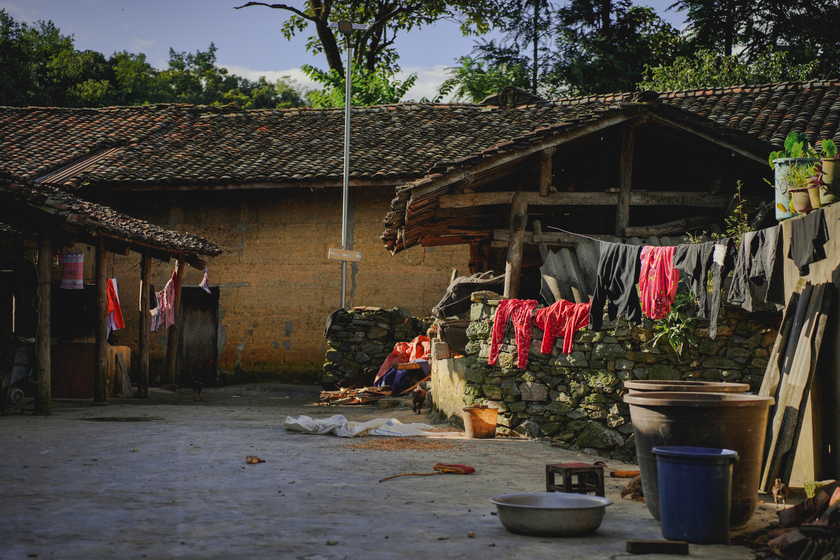
Then Pa is a community village consisting of about a dozen families belonging to the Vang clan. They have lived here for generations, so their unique way of life, culture, and customs are still preserved.
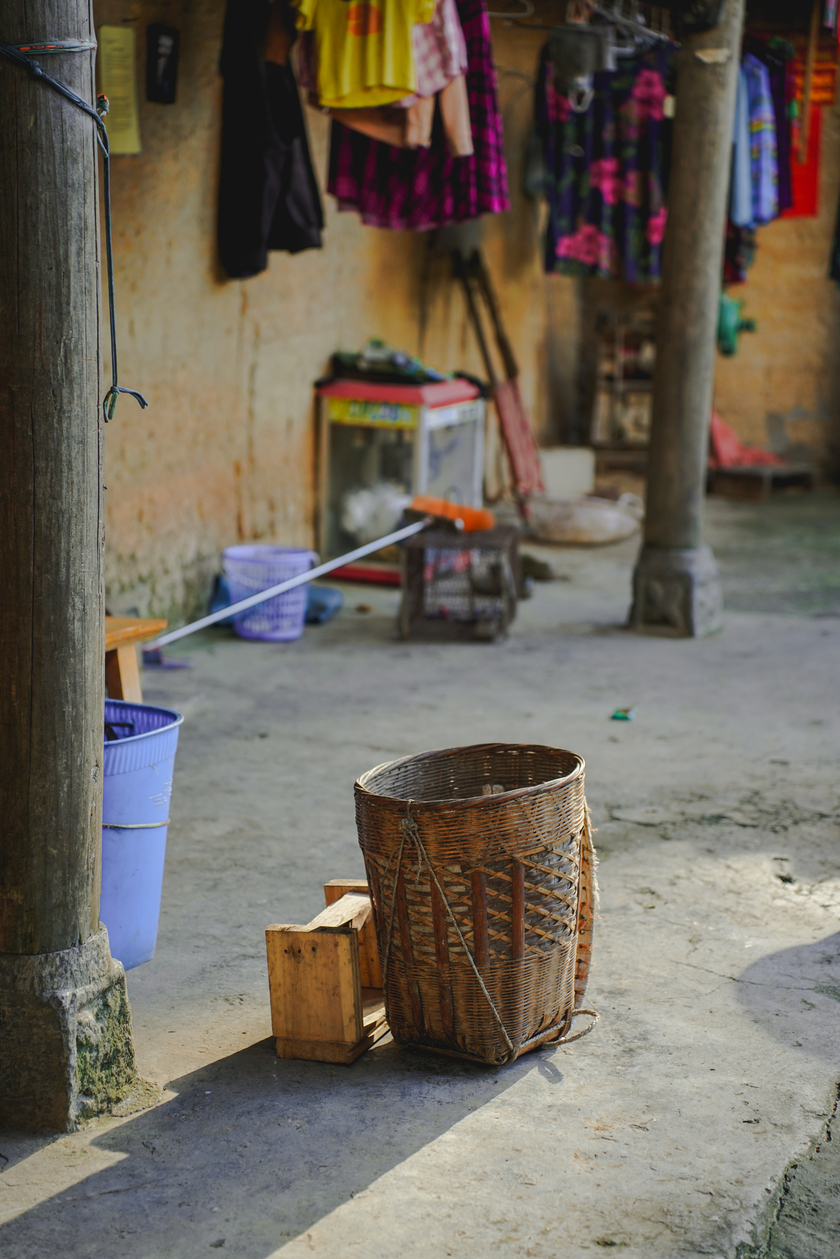
Upon arriving in the village, you'll feel a sense of peace and time seems to slow down. Adults are busy with their daily tasks, while children play, gazing at visitors with curious eyes, as if they've come from another world. You should spend at least one night here to relax and participate in traditional activities such as weaving linen, dyeing, or painting patterns on fabric, creating unique souvenirs that will forever remind you of your visit to this pristine and peaceful village.
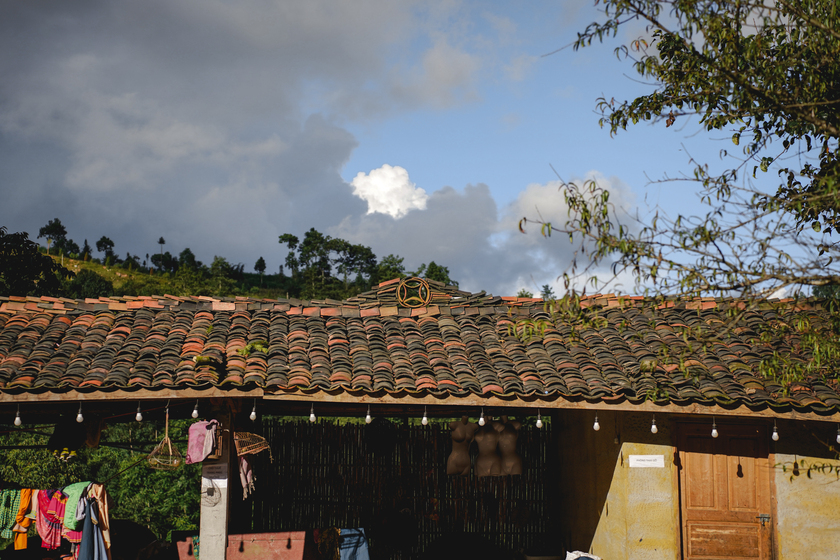
Then Pa is a wonderful destination for those who want to escape the hustle and bustle of the city, reconnect with nature, and experience the simple life of the ethnic people. Come to Then Pa to feel the beauty of the rocky plateau and learn about the unique cultural identity of the Hmong people.