VI
VI


You stayed in Gimhae for three days, then took a bus to Kyung-cheon one late afternoon. Before that, you had spent almost a week wandering alone on the slopes of Jirisan Mountain – the second highest mountain in South Korea. It was cold, and the forsythia flowers hadn't yet bloomed in that mountainous region. You decided to go to Kyung-cheon because you simply wanted to visit a small town with old houses and cars, far from the hustle and bustle of the city, with its ancient roofs, clean cobblestone streets, and a tranquil atmosphere where even breathing felt peaceful. And you would slowly and peacefully go for coffee and eat out alone. All of this was encapsulated in the calm and peaceful atmosphere of Kyung-cheon.
Perhaps not many people know about Kyung-cheong, because when people think of South Korea, they think of the vibrant Seoul, the Gangnam Oppas with their lively horse dances, and the bustling fashion shopping districts. They might also think of Busan, the train journey from Seoul to this port city. But you're different; you prefer exploring tranquil places. You're traveling alone, so you prioritize a slow pace, enjoying the ancient cities, and seeking distant memories from the gentle and subtle breaths of the old culture that Kyung-cheon still retains. This ancient town was once the capital of the Silla dynasty – and it's known as the golden city of Korea. It's about 350 km from Seoul – but if you're traveling from Busan, it takes less than two hours to reach the peaceful atmosphere of Kyung-cheon.
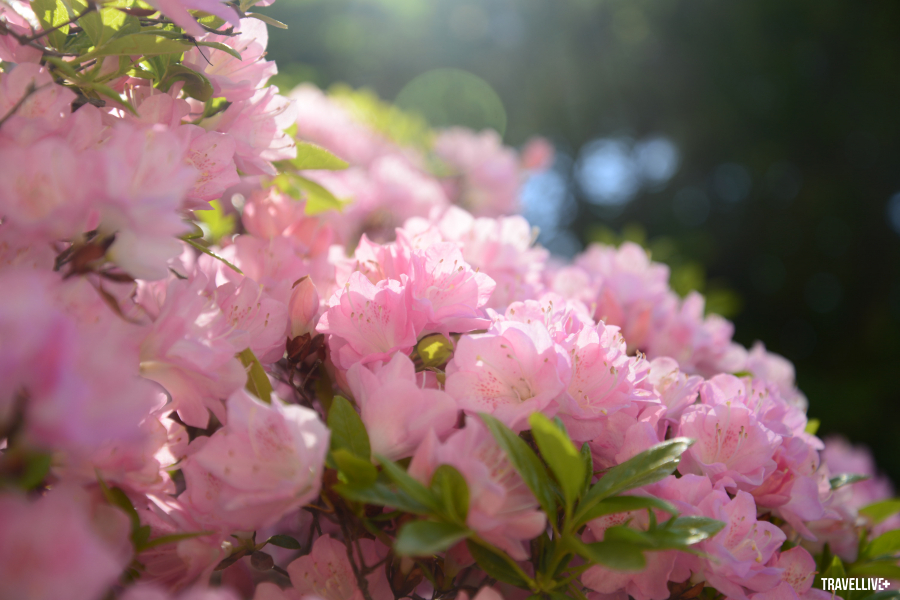
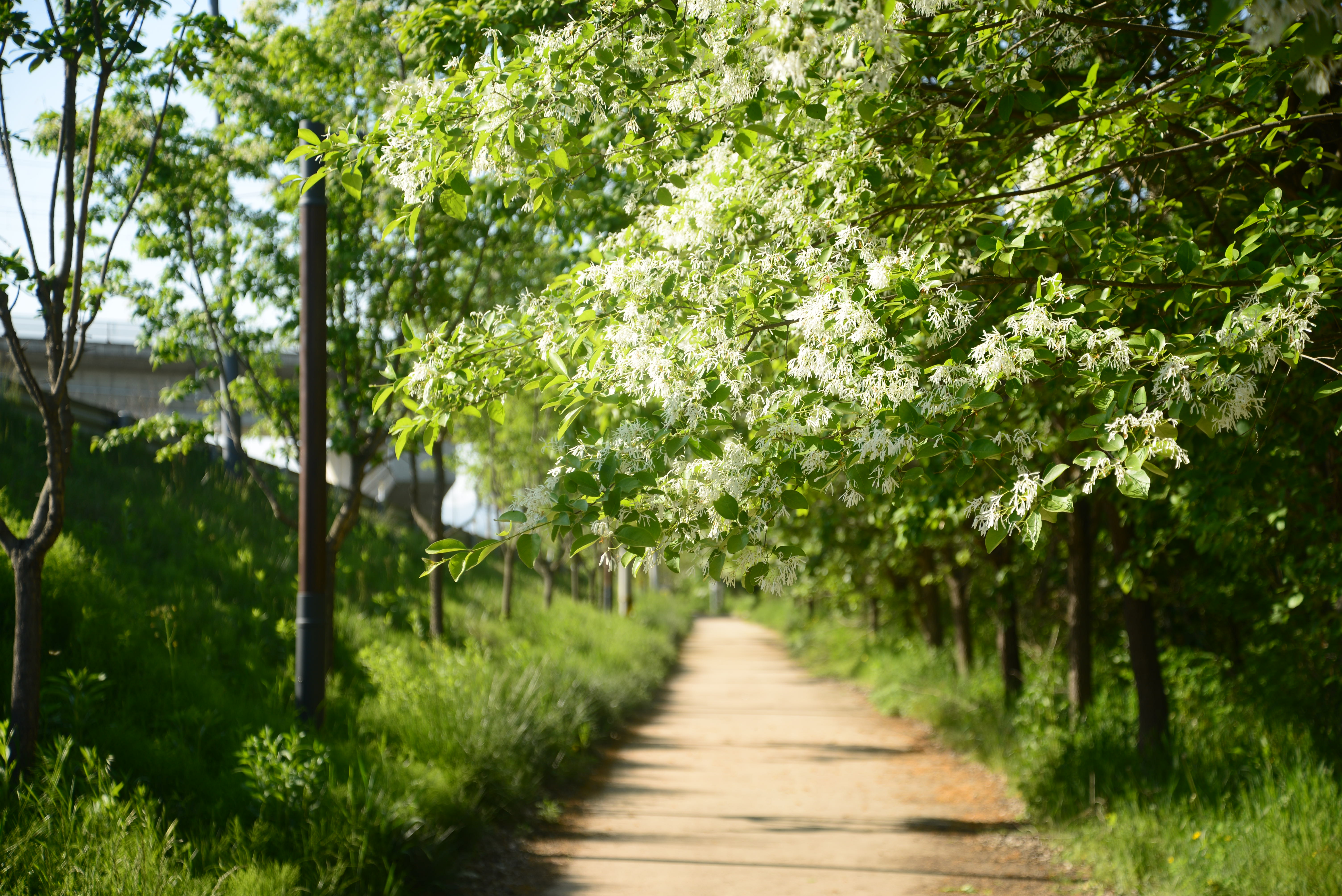
Khánh Châu is truly tranquil. Kapok flowers bloom profusely along both sides of the road. Besides temples and pagodas, the most abundant thing in this ancient town is flowers. It's famous for its cherry blossoms; cherry trees are everywhere, on every street corner and every road. Everything here is refined and gentle. You might arrive when the cherry blossoms have faded, but the kapok flowers are in full bloom, bursting with color.

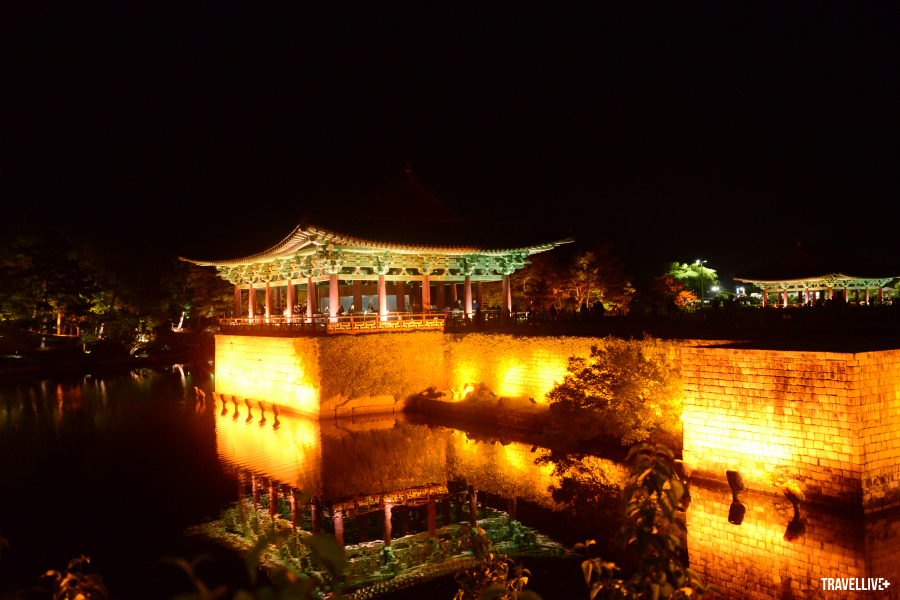
On your first night, you stroll to an ancient citadel located in the heart of the old town. The citadel at night is brilliantly illuminated, with its watchtowers and moats, a testament to its glorious past. Then, you get carried away exploring and miss the bus home, so you have to walk. Khánh Châu goes to bed very early; the lights are off by 9 PM, everyone goes home, and the buses stop operating. The night is cold, and your steps are unsteady on the wide, deserted streets, with only two rows of kapok trees as your companions. The fragrance of the flowers is suddenly overwhelming.
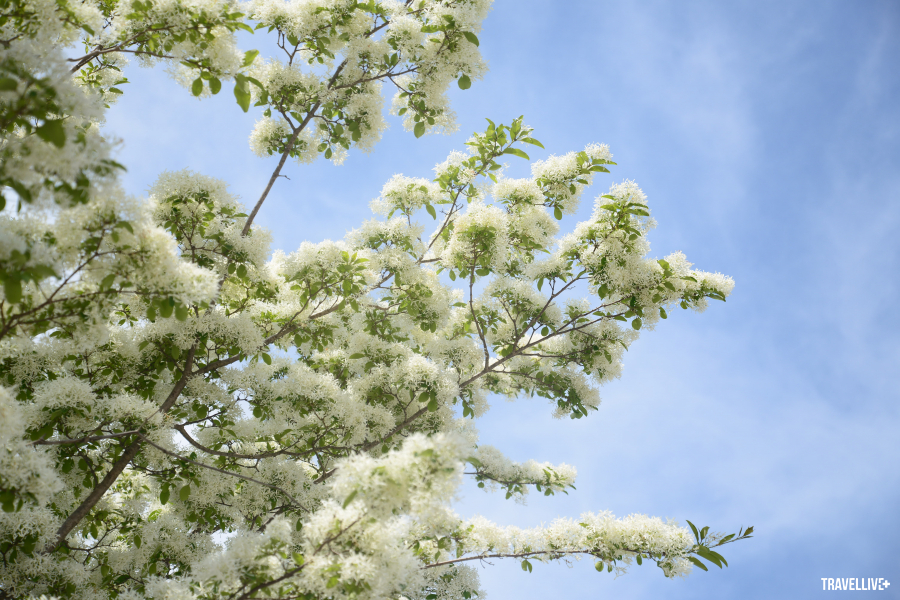
Actually, you probably don't even know the name of this flower. It looks like the milk flower, a famous, elegant and pure flower of Hanoi's spring, but they certainly don't call it that here. You search online, randomly typing in information about a white flower in Khanh Chau, and finally find this name - kapok flower. Actually, kapok flowers can be found all over South Korea. But after traveling to many places, your heart is only captivated by the kapok flowers of the ancient town of Khanh Chau.
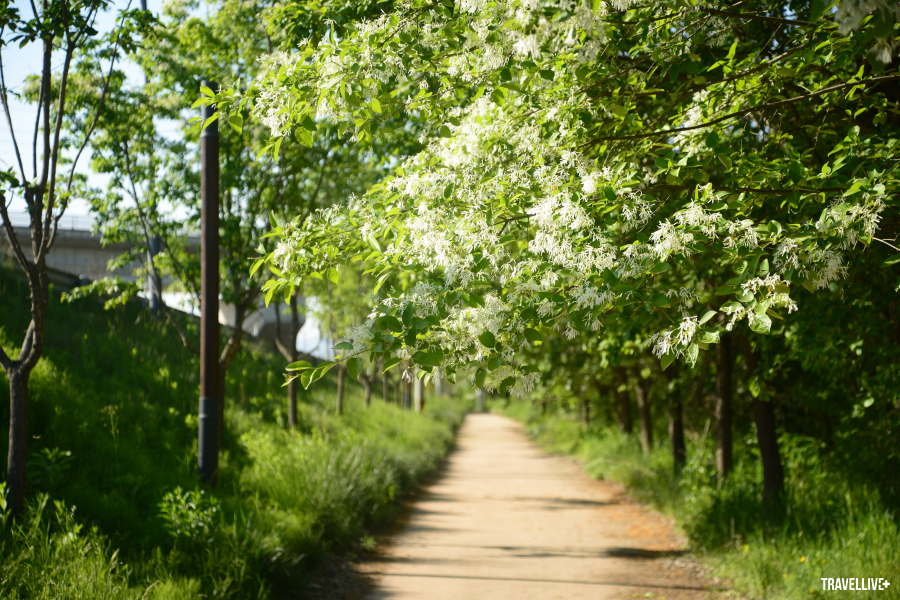
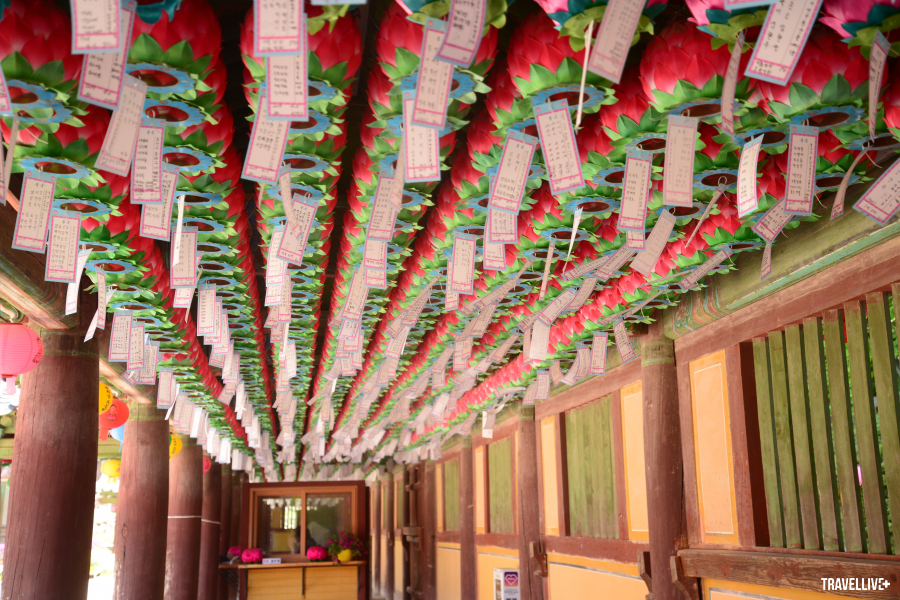
In the following days, you stroll through the streets of this ancient town. Climb the mountain and visit the Bulguksa Temple complex, nestled halfway up. The temple's ancient architecture is still perfectly preserved and is considered the most sacred and beautiful temple in South Korea. You then visit Yangdong Village – a nearly five-kilometer walk, quite a distance, to reach the village. The road from the highway into the village is deserted and quiet, with only kapok flowers lining the sides. The flowers bloom profusely, their clusters of blossoms clinging to the ground. With so few people along the road, a gentle breeze stirs the branches, as if trying to hold you back.
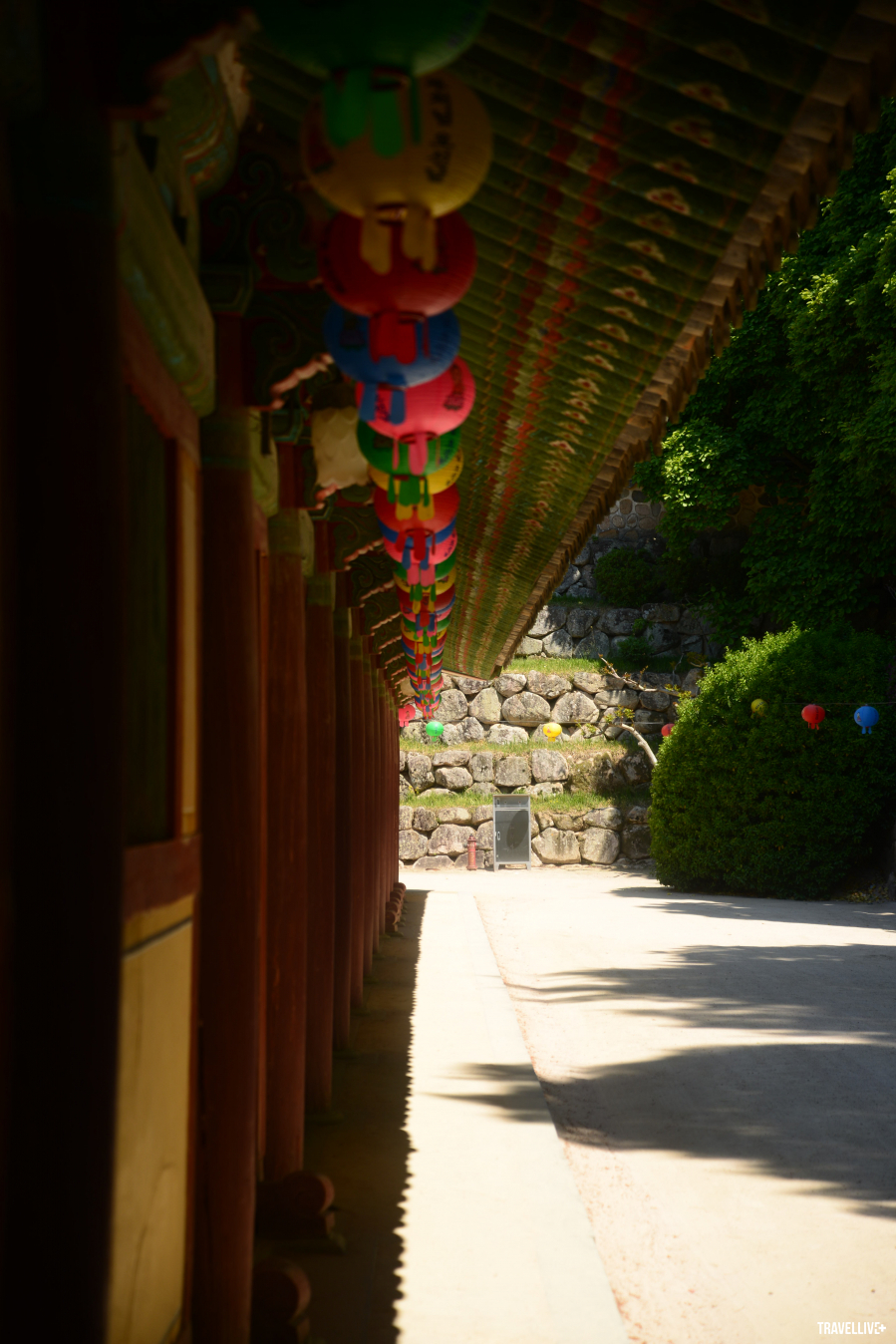
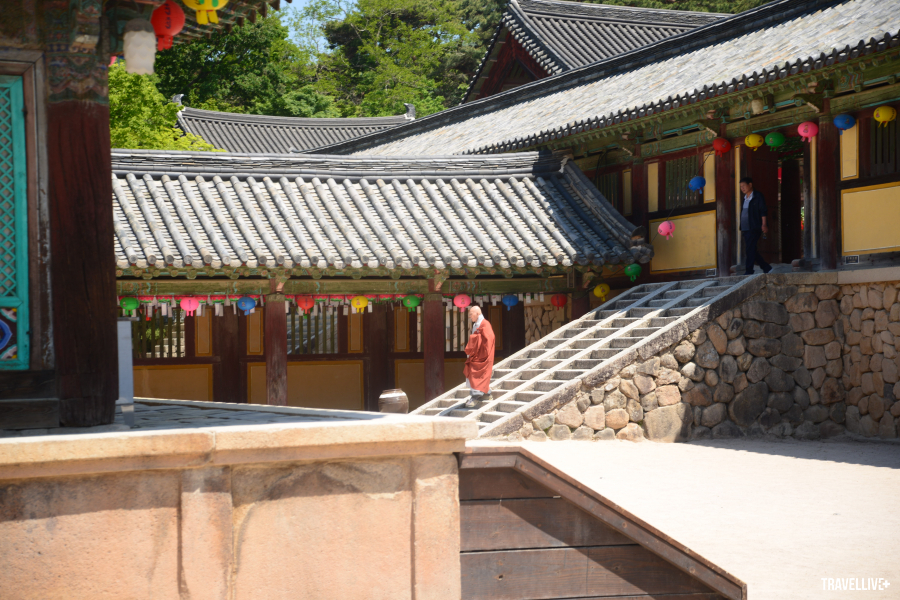
Yangdong Village's feng shui is based on the river and mountain terrain, with rows of aristocratic tiled houses on higher ground contrasting with the commoners' traditional houses on lower ground. The distribution and architectural style of the houses in the village clearly reflect the social structure, customs, and Confucian aristocratic culture of the Joseon dynasty – the prosperous era of the Korean people in the past.
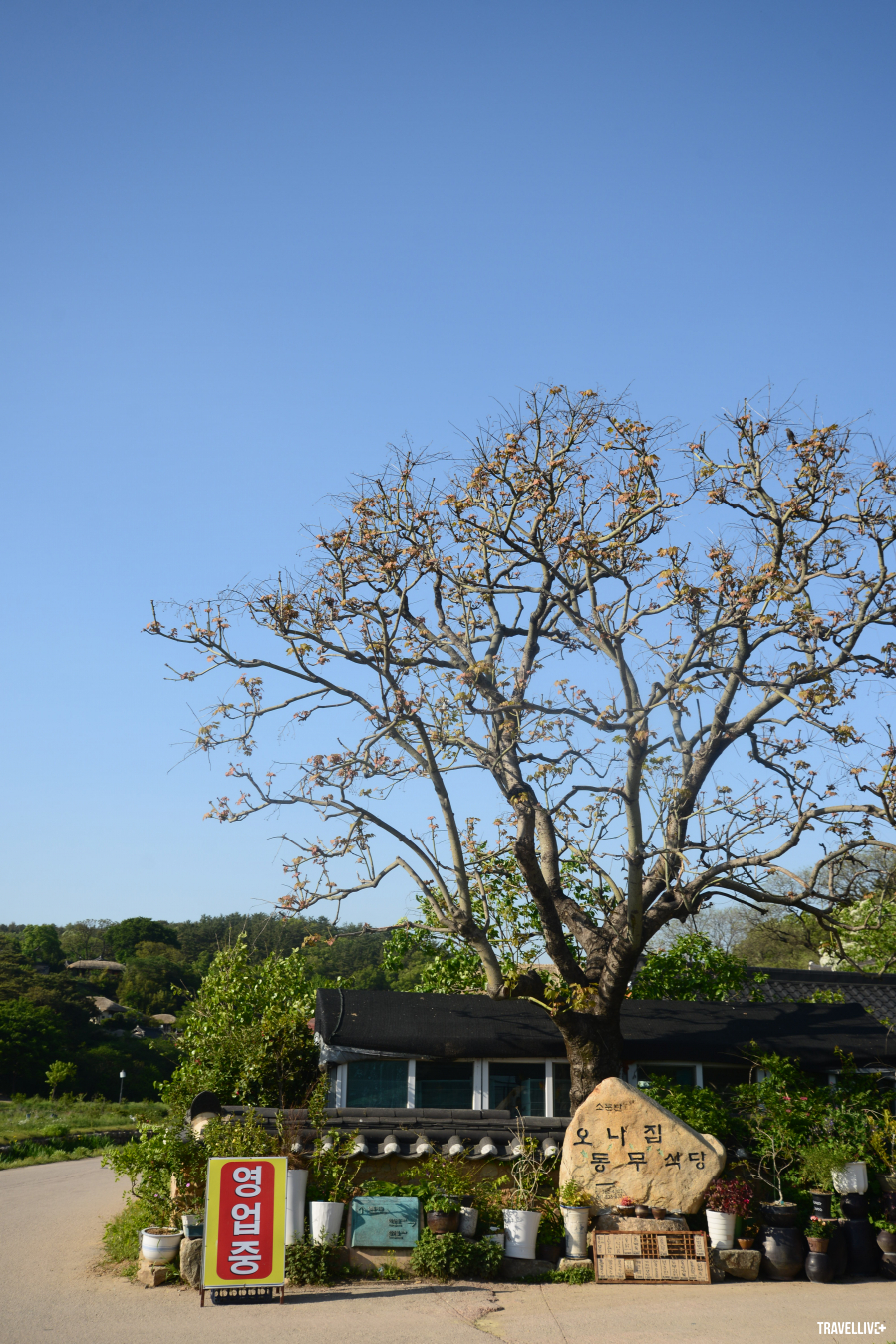
Leaving Khánh Châu late in the afternoon, we left behind a season of vibrant kapok blossoms and peaceful streets. This ancient town doesn't attract many international tourists; most visitors are locals. You might think, perhaps it's because the town is so quiet that only those with a special connection choose to visit? Well, you're truly lucky, for you've experienced a kapok blossom season that will forever remain in your heart.