VI
VI


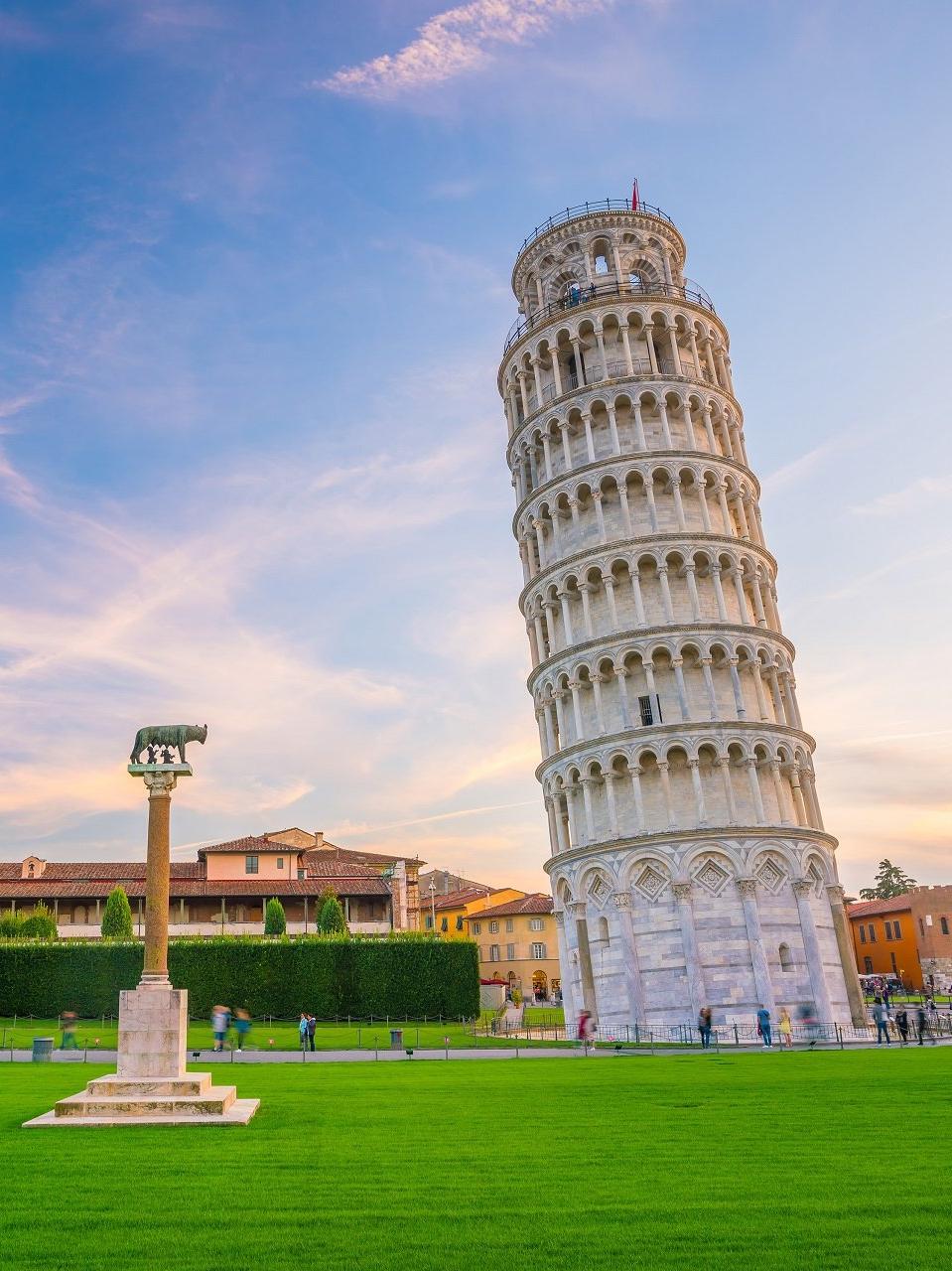

Pisa attracts tourists not only with its iconic Leaning Tower of Pisa but also with its diverse arts and culture and rich cuisine. Located near the Ligurian Sea, Pisa has long been a melting pot of cultures, creating a unique blend in its culinary traditions.
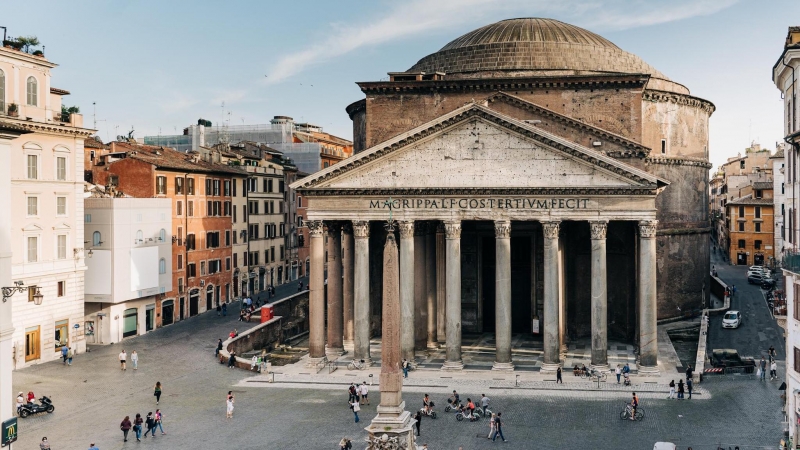
PASTA e CECI - THE TRADITIONAL FLAVOR OF PISA
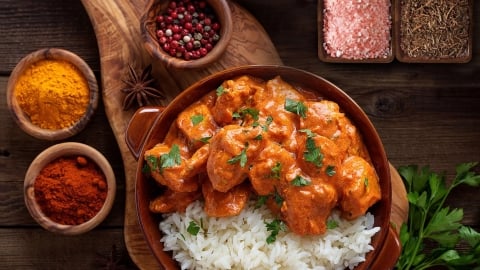
Pasta e Ceci, also known as pasta with ceci beans, is a long-standing and popular traditional dish in Pisa, Italy. Made with simple, readily available ingredients, it boasts a delicious, rich flavor and is highly nutritious.
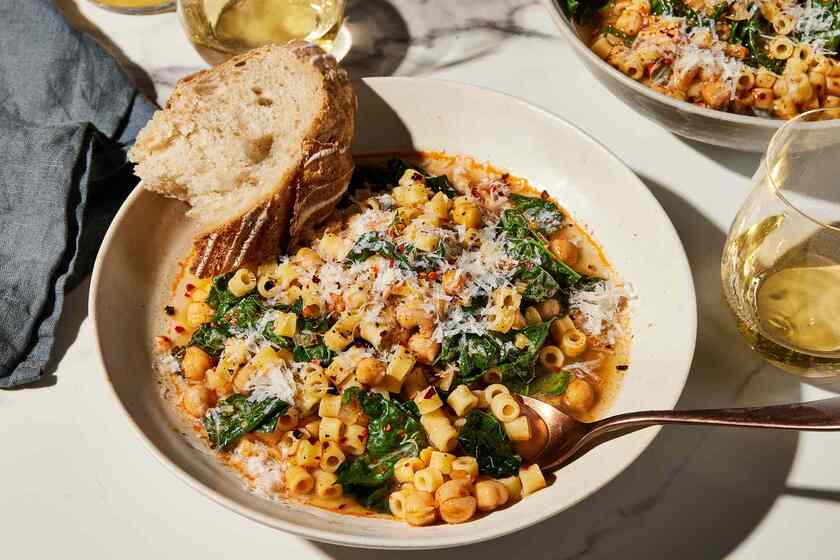
Pasta e Ceci, also known as pasta with ceci beans.
Pasta e Ceci originated in ancient Rome, when beans (ceci) were a common and affordable food. The people of Pisa created this dish to make the most of the readily available ingredients and create a delicious and nutritious meal for their families.
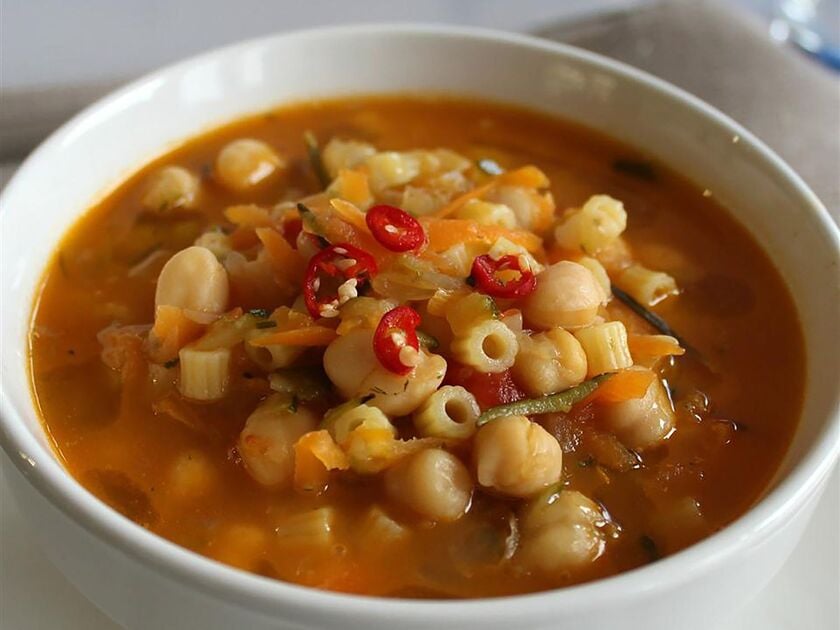
This is a long-standing and popular traditional dish in Pisa, Italy.
Pasta e Ceci is a dish rich in protein, fiber, and vitamins, making it very healthy. It's also low in calories and fat, making it suitable for those on a diet or wanting to maintain a healthy weight.
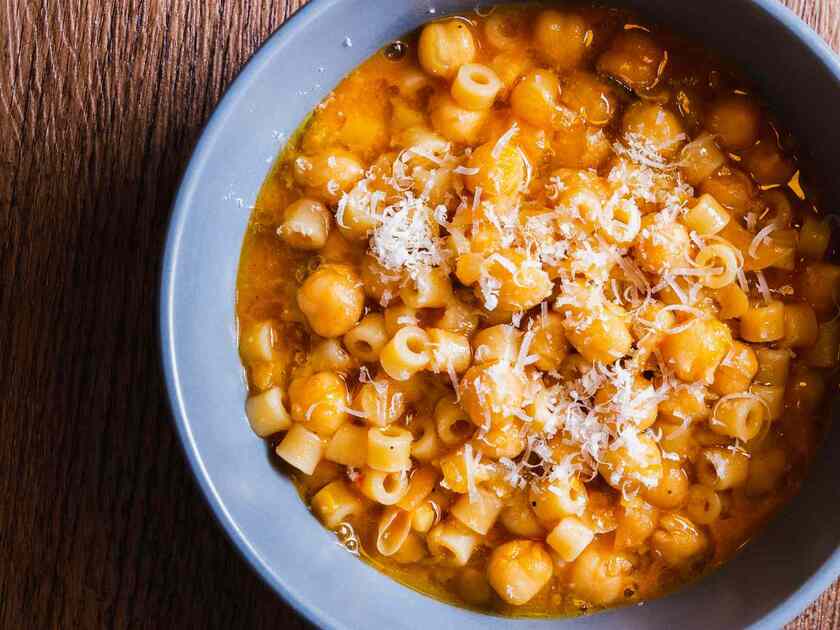
This dish is low in fat but still provides sufficient nutrition for a meal.
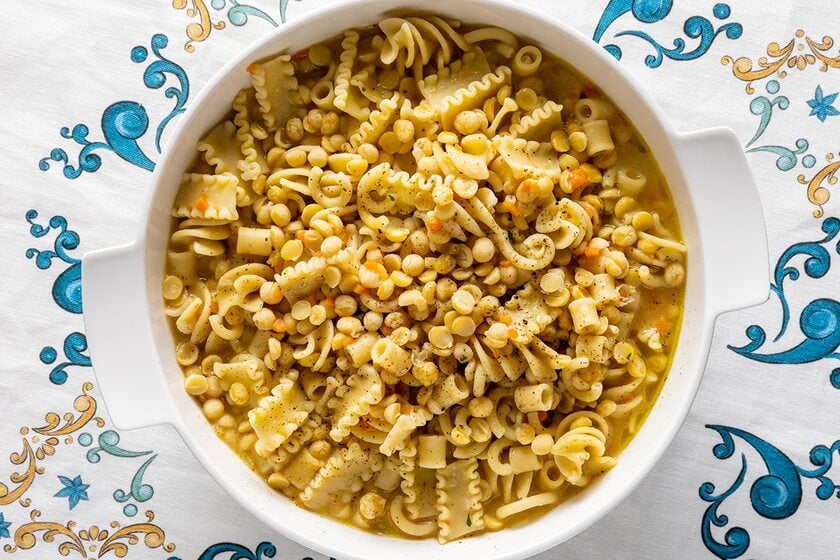
Despite its humble origins, Pasta e Ceci has made a spectacular leap to a prominent position in Pisaan cuisine. Today, this dish is diversified with a wider variety of ingredients, from adding vegetables and cold cuts to using different types of pasta.
Pasta e Ceci is also featured as an exquisite appetizer in upscale restaurants catering to discerning diners in Tuscany. The harmonious combination of the rich flavor of chickpeas, the tangy taste of tomatoes, and the chewy texture of pasta has captivated the palates of diners, making Pasta e Ceci a beloved and cherished dish.
BORDATINO alla PISANA: THE FLAVOR OF THE COUNTRYSIDE IN THE HEART OF PISA
Bordatino alla Pisana, also known as corn soup and cavolo nero, is a long-standing and characteristic traditional dish of Pisa, Italy. Made from simple, readily available ingredients, this dish boasts a delicious, rich, and incredibly comforting flavor, reflecting the rustic charm and community spirit of the people of Pisa.

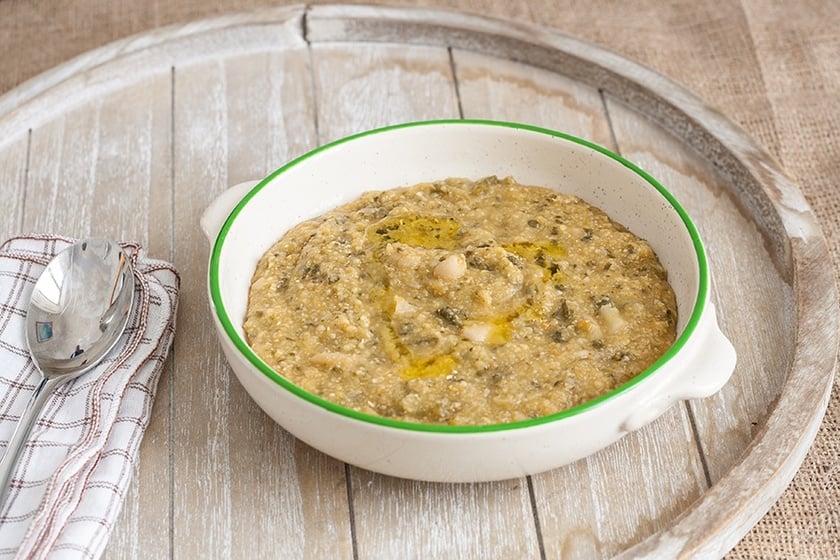
The rustic flavors of Mexico
Bordatino alla Pisana has its origins in the Middle Ages, when corn and cavolo nero (black kale) were common and affordable foods in Pisa. This dish was often cooked by farmers and fishermen to provide a nutritious meal for their families.
Bordatino alla Pisana is a simple, easy-to-prepare dish that is nonetheless delicious, rich in flavor, and incredibly comforting. It's an important part of Pisa cuisine and a perfect choice for those who want to experience the rustic flavors and community spirit of the local people.
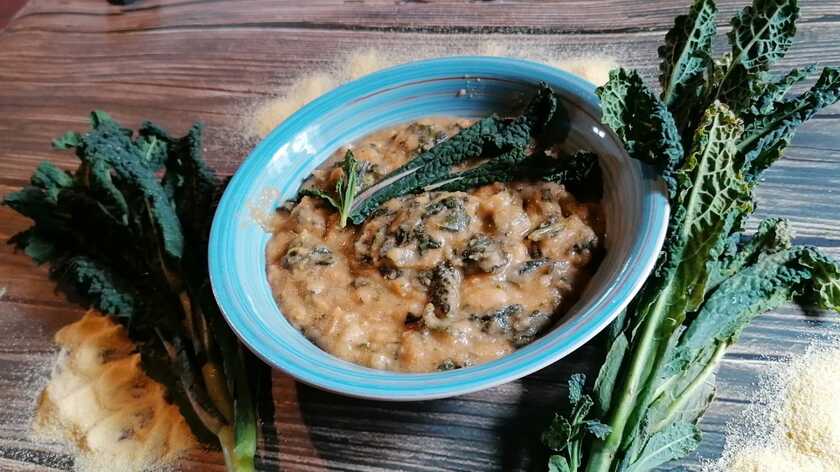
Not an easy dish to eat, but it's famous in Pisa.
Bordatino is a flavorful dish that harmoniously combines the creamy richness of beans, the slightly bitter taste of black cabbage, and the nutty aroma of cornmeal. It's typically cooked in an earthenware pot, which gives it its distinctive flavor and keeps it warm for longer.
TORTA co' BISCHERI: THE "LITTLE KEY" CAKE ESSENCE OF PISA CUISINE
Torta co' Bischeri, also known as Little Key Biscuits, is a unique and long-standing traditional dessert from Pisa, Italy. This pastry gets its special name from its rolled shape, resembling a violin key, showcasing the creativity and finesse of the Pianist's pastry chefs.
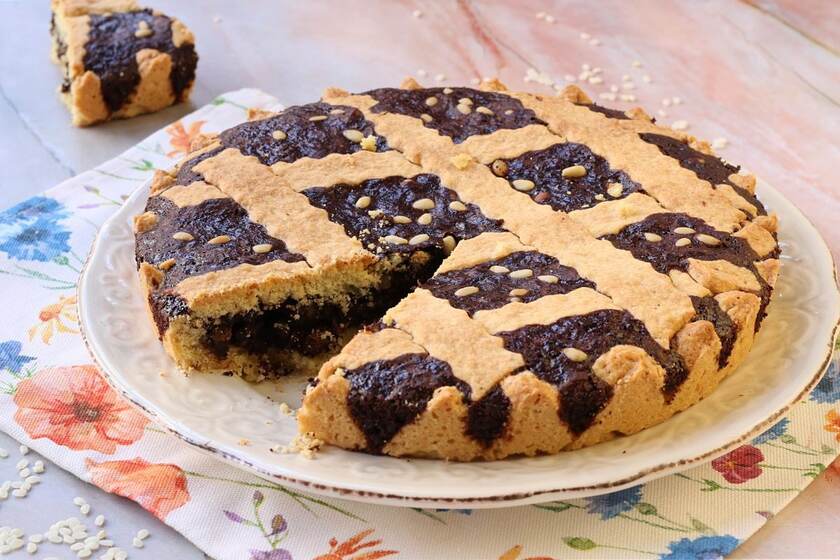
Desserts that win over many diners.
Torta co' Bischeri originated in the 16th century, when the city of Pisa received a large number of pilgrims visiting the Holy Cross. The people of Pisa created this pastry to welcome and serve these visitors, demonstrating their hospitality and reverence.
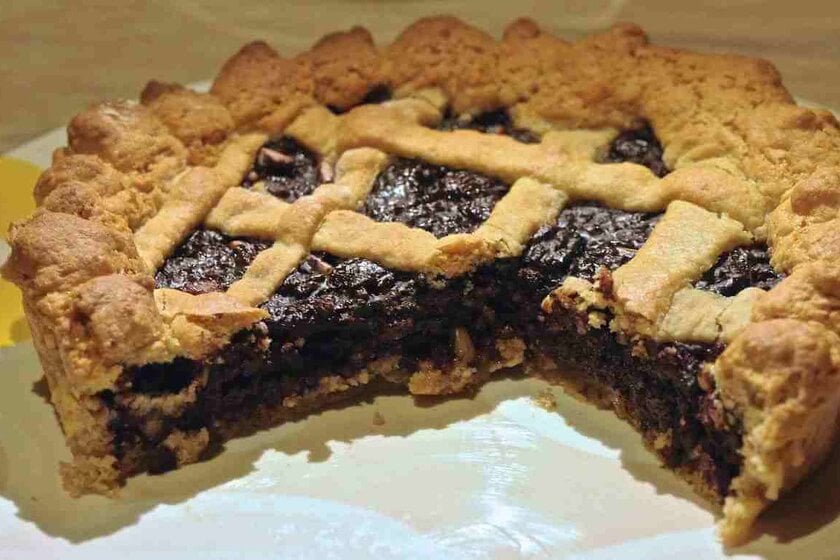
Torta co' Bischeri dates back to the 16th century, when the city of Pisa received a large influx of pilgrims.
Here you will find many typical pastries, especially Torta coi bischeri – a type of tart made throughout Tuscany and particularly in Pisa, made with chocolate, raisins, and pine nuts. The name "bischeri" comes from the Tuscan dialect, referring to the pointed end of the tart, carrying both humorous and historical significance.
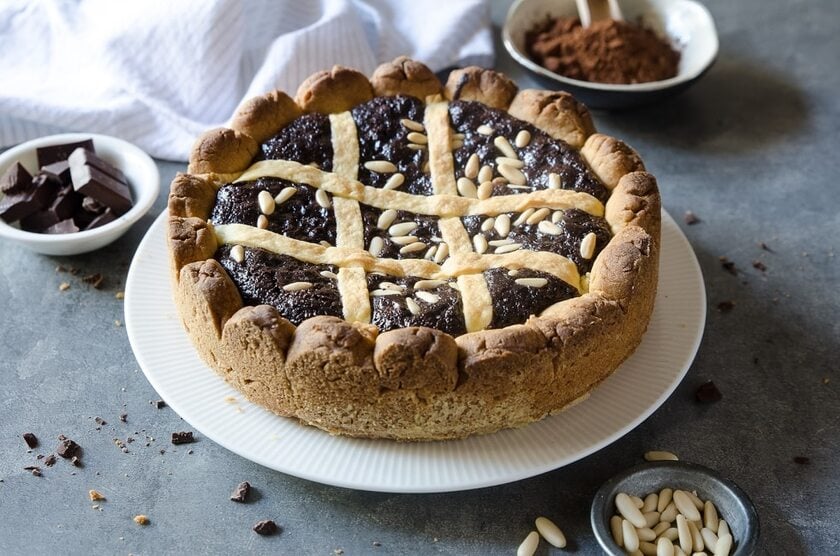
CANTUCCINI AND VIN SANTO: A JOURNEY BETWEEN TRADITIONAL AND MODERN FLAVORS
Cantuccini and Vin Santo, two culinary icons of Tuscany, offer the perfect experience for those who love exploring Italian culture and flavors. Immerse yourself in a journey to discover the exquisite combination of these two exceptional delicacies.
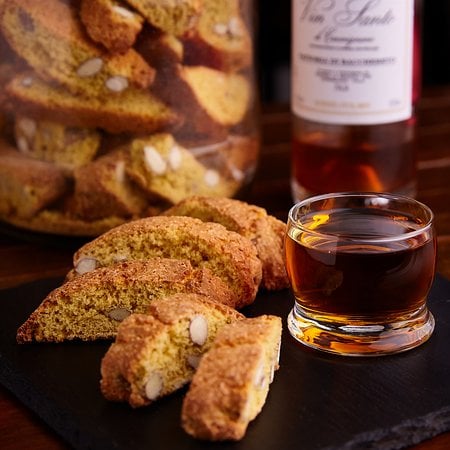
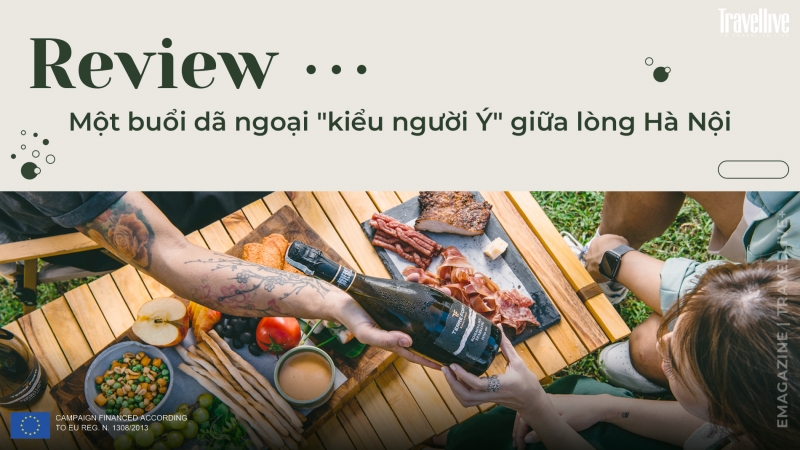
A unique combination found only in this city.
Cantuccini, also known as Cantucci, are crispy almond cookies originating from the town of Prato, Tuscany. Made with flour, sugar, eggs, almonds, and orange zest, these cookies have a delicious and delicate flavor.
Cantuccini has a light sweetness from the sugar, a rich almond flavor, and a delicate aroma of orange peel. When you taste it, you'll experience the perfect crispness of the biscuit, blended with an irresistible, rich flavor. Cantuccini is often served with Vin Santo, a traditional sweet Tuscan wine. The traditional way to enjoy it is to dip the Cantuccini into Vin Santo to soften the biscuit and enhance its flavor.
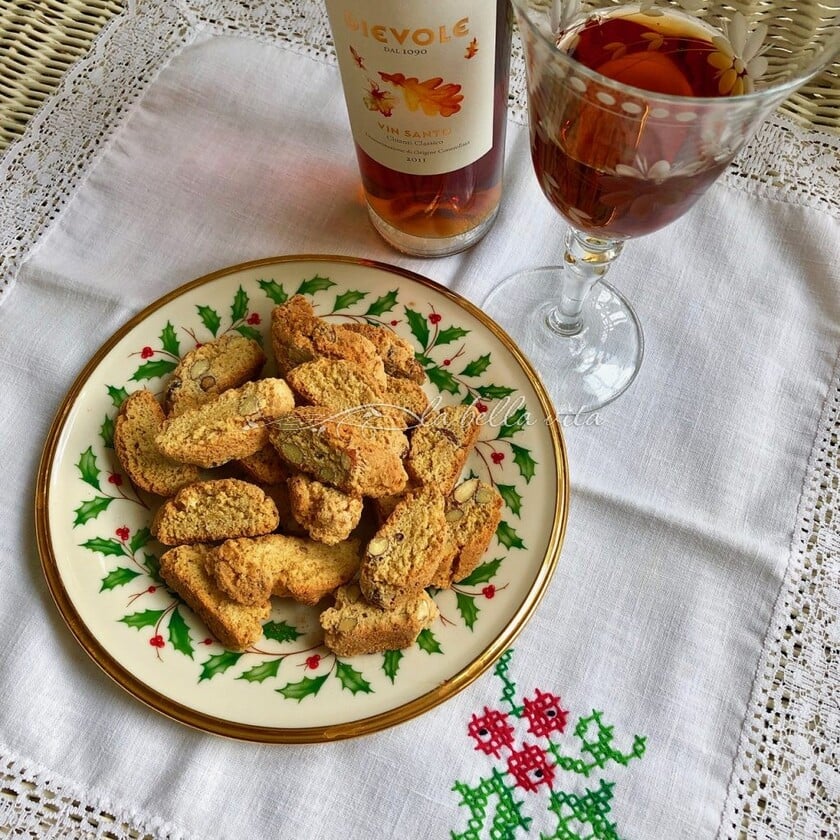
Vin Santo, meaning "holy wine," is a traditional sweet wine produced in Tuscany. Made from Trebbiano and Malvasia grapes, it undergoes a drying process on wooden racks for several months before fermentation and aging in oak barrels.
This wine boasts a beautiful amber color and a complex, sweet flavor profile with lingering notes of honey, apricot, citrus, and spices. Its high acidity perfectly balances the sweetness, creating a harmonious and refined taste. Cantuccini and Vin Santo are a perfect pairing, showcasing the essence of Tuscan cuisine. The crisp Cantuccini blends seamlessly with the sweet Vin Santo, creating a unique and unforgettable culinary experience.
Cantuccini and Vin Santo are not only delicious dishes but also hold deep cultural value. These two delicacies are often used during festivals, celebrations, and special events in Tuscany, reflecting the hospitality and reverence of the local people.