VI
VI


Located where heaven and earth meet, Luoyang, with its more than 3,000-year history, is a precious gem in the flow of Chinese history. Situated beside the majestic Yellow River, this city was once the cradle of Chinese civilization, witnessing the rise and fall of 13 feudal dynasties, and the starting point of the legendary Silk Road.
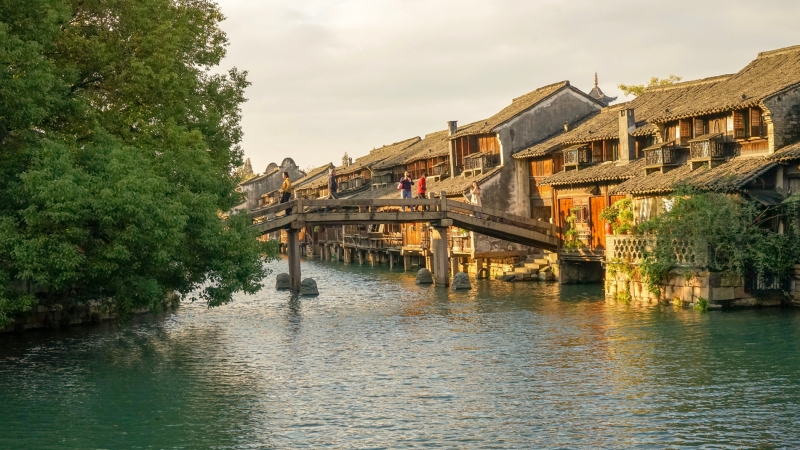

Today, Luoyang is not only a living museum of history but also a modern, bustling metropolis. Skyscrapers, vibrant shopping centers, and ancient architectural structures combine to create a Luoyang that is both ancient and modern, attracting tourists from all over the world.
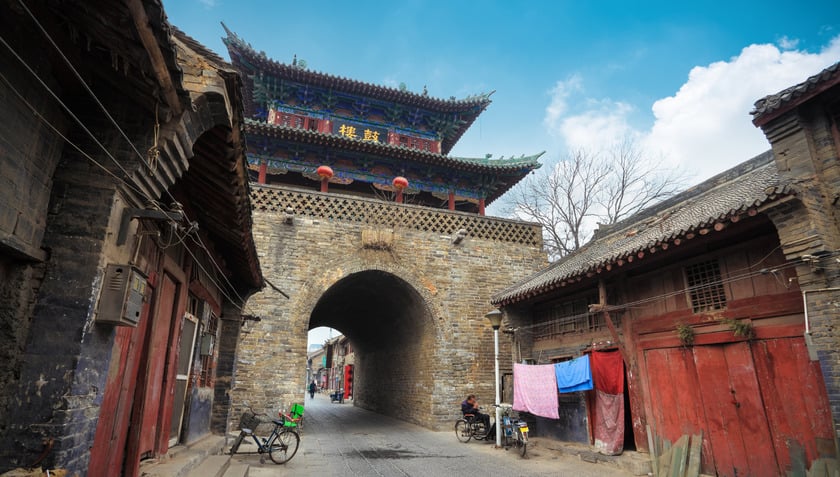
Luoyang, with its more than 3000-year history, is a precious gem amidst the flow of Chinese history.
One of the "four great ancient capitals" preserving the golden memories of China.
Luoyang is located in the central plains, in the transitional zone between the western mountains and the eastern plains. Situated amidst mountains and rivers, its advantageous location for transportation and trade has always made it a top choice for major dynasties when selecting a capital city.
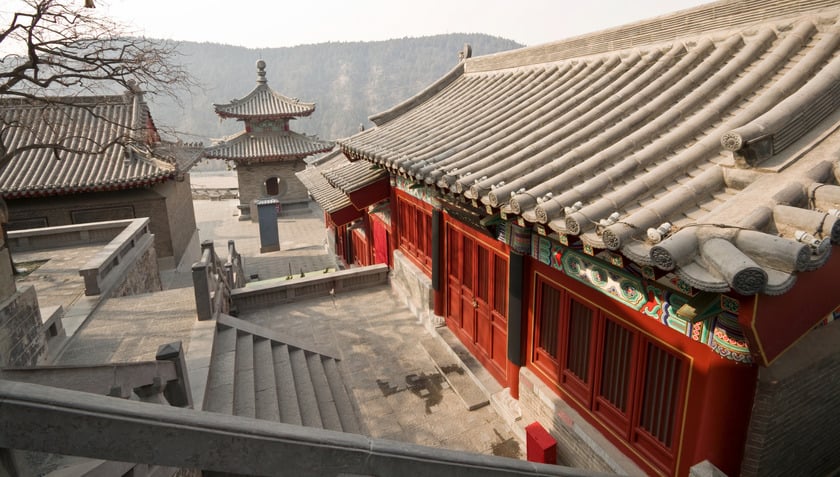
Luoyang, one of the four great ancient capitals of China, still retains its ancient charm.
Luoyang, the ancient capital with a history spanning a thousand years, was once revered as the "Divine Capital" during the reign of the powerful Empress Wu Zetian. This is the only and most prestigious title ever bestowed upon a city in Chinese history.
Determined to build a prosperous empire, Empress Wu Zetian devoted all her efforts to the construction and development of Luoyang. The city quickly became the political, economic, and cultural center of the entire empire. Magnificent palaces, beautiful gardens, bustling streets, and vibrant festivals transformed Luoyang into a splendid city, rivaling the world's most famous capitals of the time.
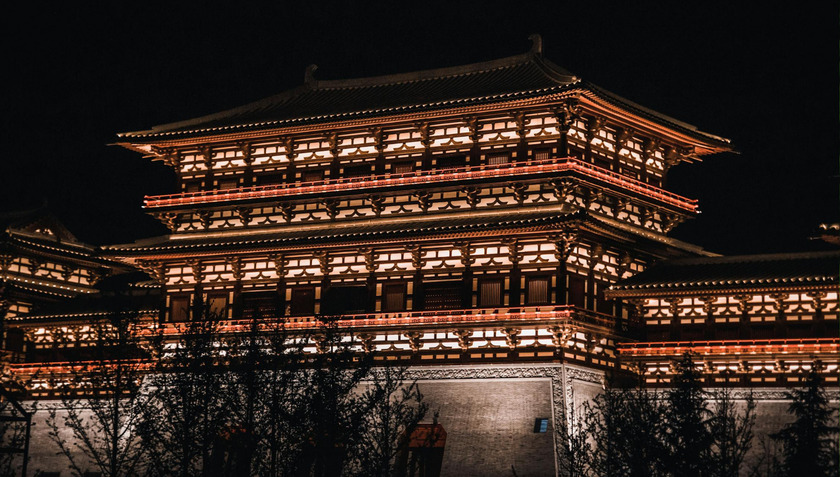
Luoyang, the ancient capital with a history spanning a thousand years, was once revered as the "Divine Capital" during the reign of the powerful Empress Wu Zetian.
Located in an extremely advantageous geographical position, Luoyang is like a precious gem bestowed by nature. The city is surrounded by majestic mountain ranges like a natural wall, including Mount Wei to the west, Mount Funiu, Mount Xiang'er and Mount Weifang to the south, Mount Mang to the north, and Mount Songshan to the east.

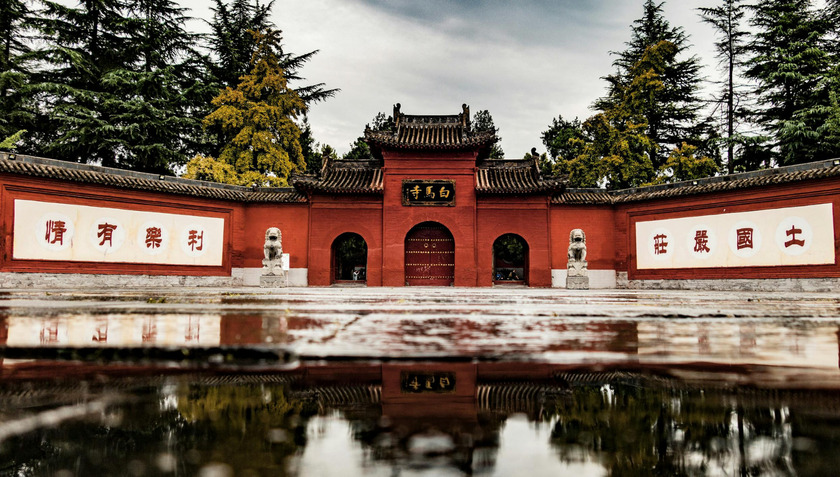
Luoyang, the ancient capital with a history spanning a thousand years, was once revered as the "Divine Capital" during the reign of the powerful Empress Wu Zetian.
The Yellow River, the mother river of the Chinese nation, flows through the north of the city, providing both an abundant water source and a strong defensive barrier. With its treacherous mountain passes such as Hulao, Hangu, Yique, and Mengjing, Luoyang became an impregnable fortress. It was precisely this rugged terrain and strong defense system that made Luoyang a place of peace and prosperity for many dynasties, as well as a solid military base for protecting the country.
Luoyang, the ancient capital with a history spanning a thousand years, was once revered as the "Divine Capital" during the reign of the powerful Empress Wu Zetian. As a political, economic, and cultural center, Luoyang witnessed the rise and fall of many great dynasties such as the Eastern Zhou, Eastern Han, and Tang. Luoyang's continuous development throughout history has created a rich and diverse cultural heritage, contributing to its status as an important cultural, educational, and religious center.
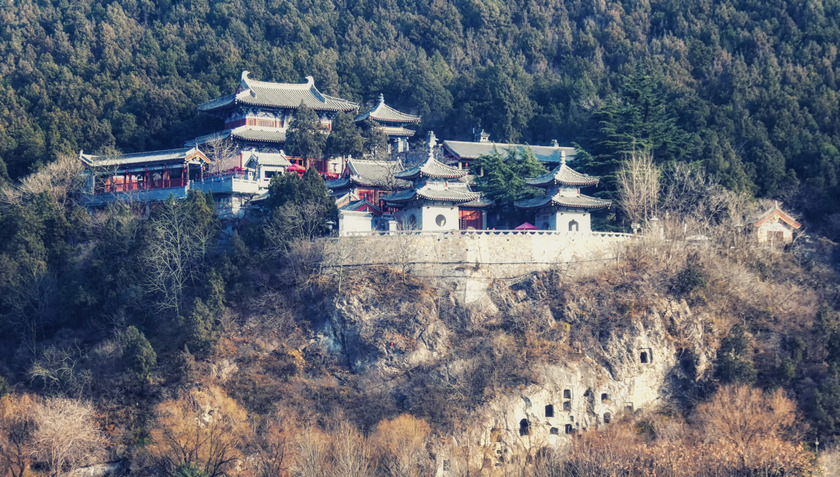
It is precisely because of its rugged terrain and strong defenses that Luoyang became a place of peace and prosperity for many dynasties.
Furthermore, Luoyang's long history and rich cultural development have contributed to its appeal as a long-standing center of power. The harmonious blend of nature and culture has transformed Luoyang into one of China's most brilliant centers of civilization.
"The capital of peonies"
The peony, the national flower of China, has always been praised for its elegant and graceful beauty. But perhaps it is the peonies of Luoyang that truly captivate hearts.
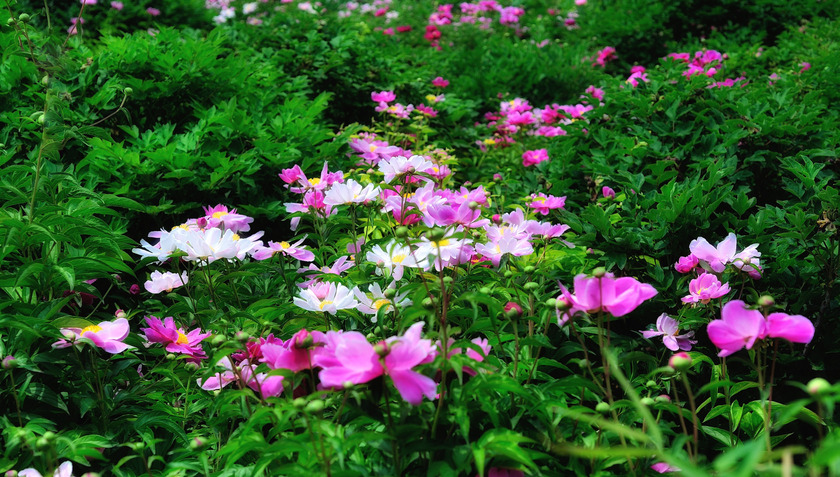
This place is known as the peony paradise.
Every spring, when the peonies bloom brilliantly, Luoyang seems to don a new, magnificent, and captivating garment. The annual Peony Festival, held in April, has become a major cultural event, attracting numerous visitors to admire the stunning beauty of this flower.
Over 1500 years ago, during the Sui Dynasty, the people of Luoyang began cultivating the first peonies. Throughout the dynasties, especially the Tang Dynasty, peonies became a symbol of wealth and prosperity and were widely planted in the palaces and gardens of the aristocracy.
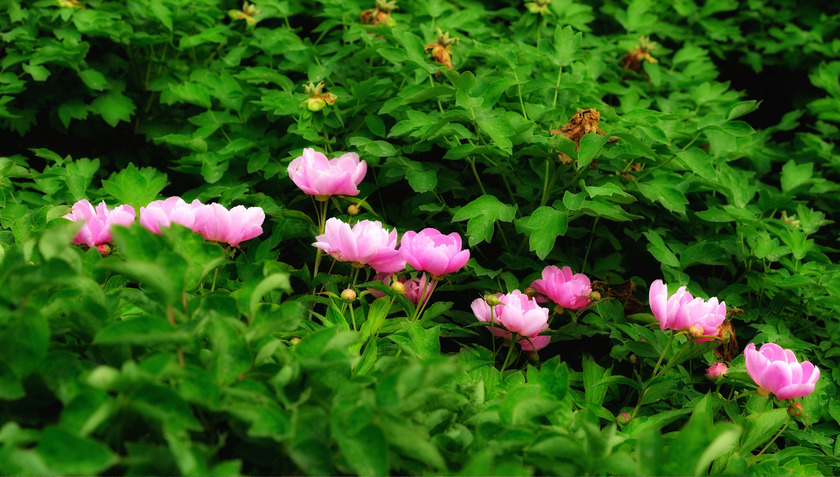
Every spring, when the peonies bloom in vibrant colors.
During the Song Dynasty, peonies were even revered as the "King of Flowers," affirming their noble status. Today, with over 1200 diverse varieties of peonies, Luoyang rightfully deserves to be called the "capital of peonies." To honor this precious flower, since 1982, Luoyang has held a peony festival every April, attracting a large number of visitors.
A peaceful modern-day Luoyang
Luoyang, the ancient capital with a thousand years of history, retains its timeless beauty amidst a modern metropolis. Narrow streets and ancient houses, bearing the marks of time, stand alongside towering skyscrapers and bustling commercial centers. This harmonious blend of past and present creates a unique Luoyang, captivating visitors with its blend of tradition and modernity. Every step in Luoyang is like entering a living museum, where visitors can feel the breath of history and the vibrancy of modern life.
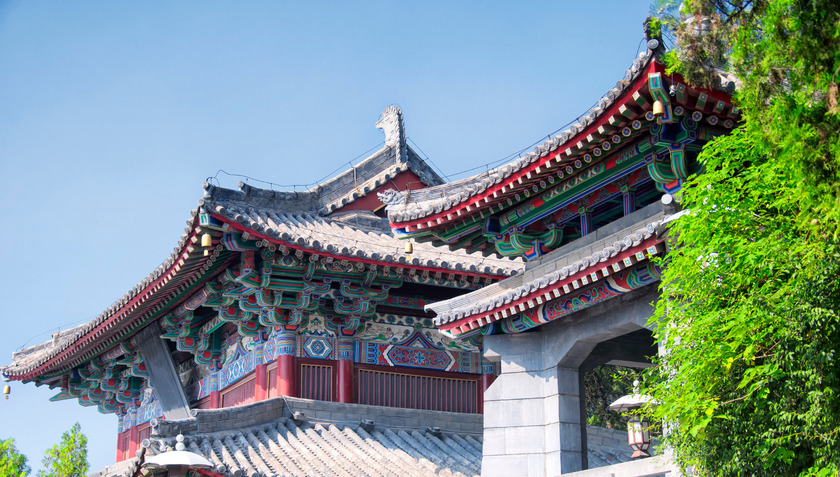
Luoyang, the thousand-year-old capital, still retains its ancient beauty amidst the modern metropolis.
As time passed, the magnificent palaces and bustling streets of yesteryear are now merely historical relics. But Luoyang has not been forgotten. Thanks to valuable archaeological discoveries, we have the opportunity to recreate a part of the beauty of this thousand-year-old capital.
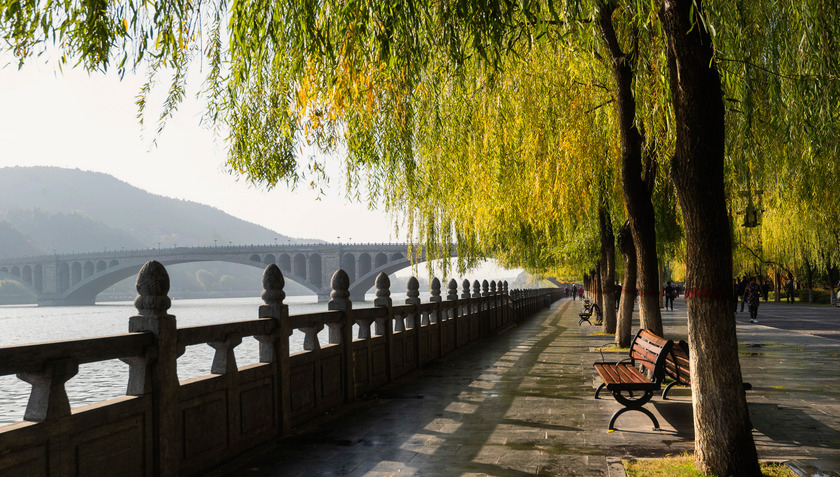
Luoyang has not been forgotten.
The reconstructed architectural structures and displayed historical artifacts all tell a glorious story of a bygone era. Luoyang today possesses both the ancient charm of a thousand-year-old capital and the modernity of a bustling metropolis. Despite the passage of time, Luoyang retains its ancient beauty and allure, captivating visitors.