VI
VI


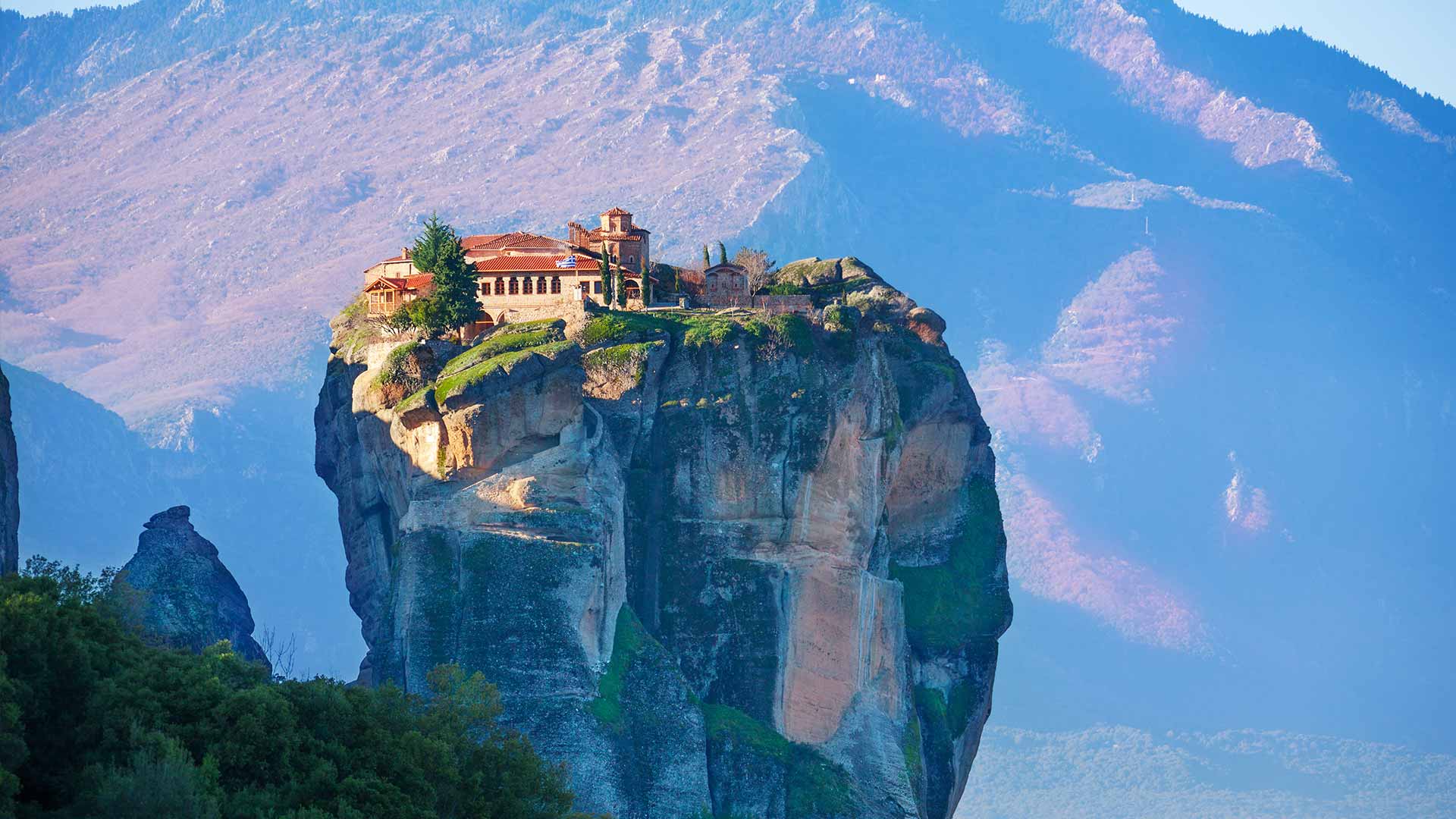
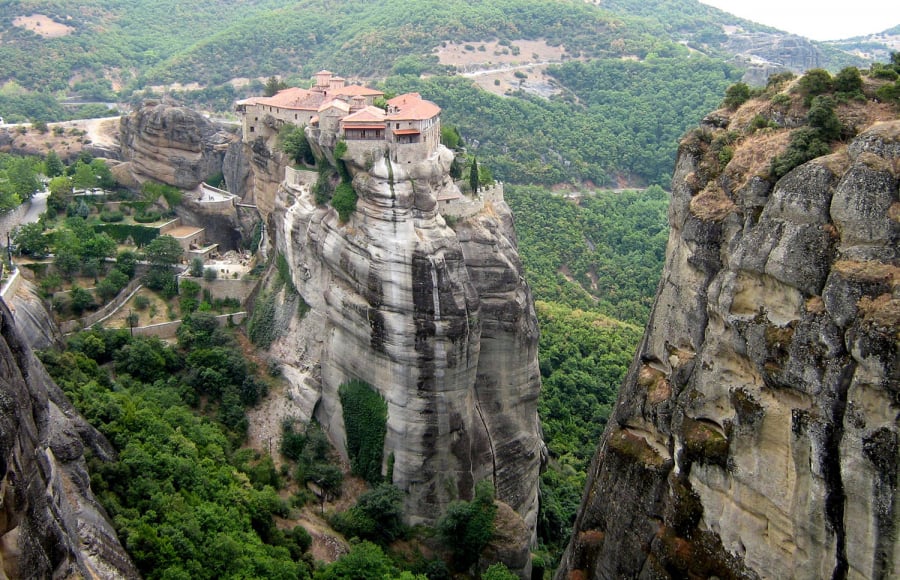
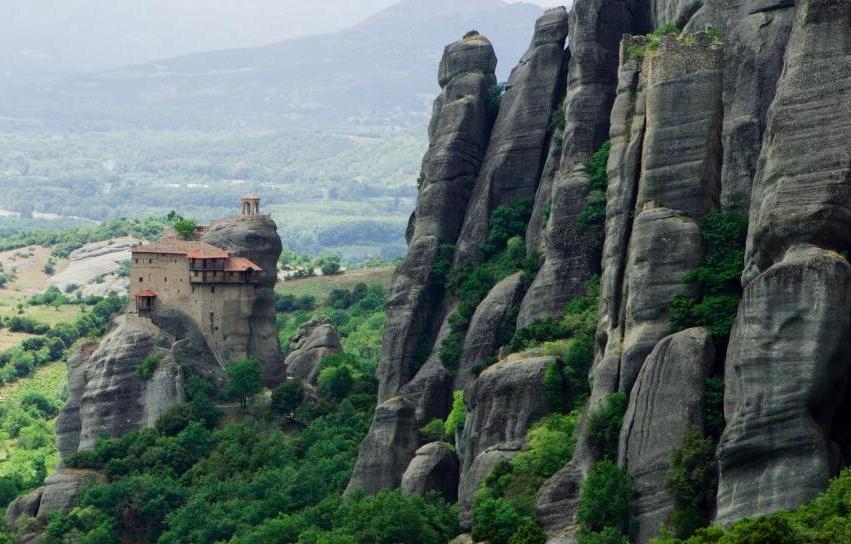
The Meteora monastery complex, perched precariously on towering natural sandstone cliffs, stands out amidst the bustling Thessaly plain, near the town of Kalambaka in central Greece. It is one of the world's most unique architectural marvels, leaving many visitors in awe and wondering how humans could have constructed such a wonder. In Greek, Meteora means "suspended in the air" or "heavenly stone pillars."
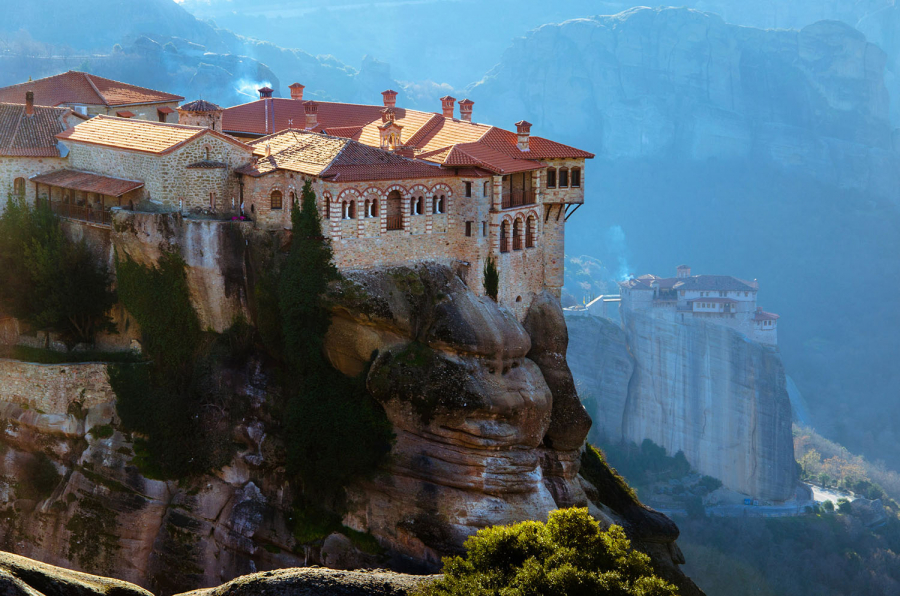
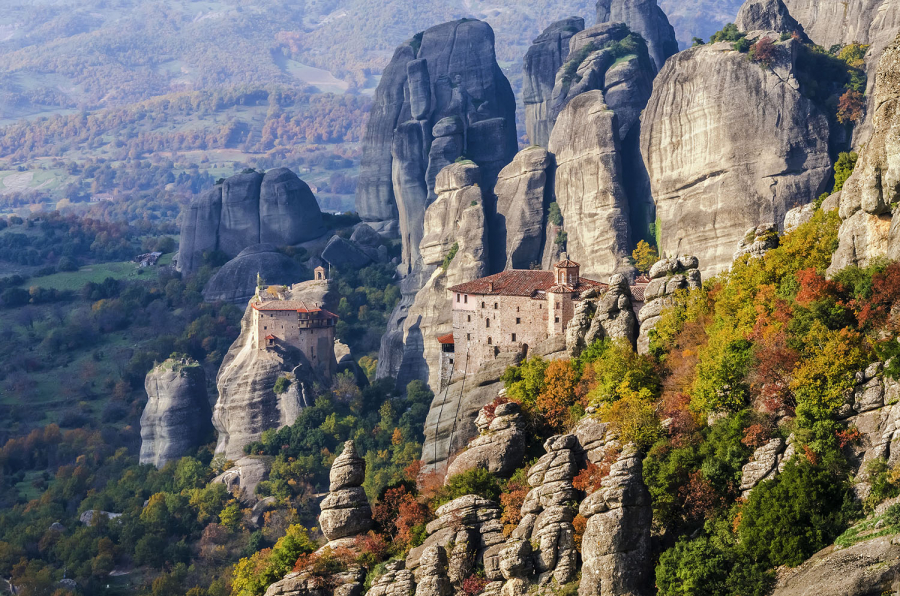
This monastery complex was formed in the 14th century, when monks on the Athos Peninsula in southern Europe were threatened by Turkish pirates. They were forced to move to a new land, a rugged and inaccessible rocky forest, to find refuge. The construction of these "suspended" structures was extremely difficult. They had to transport large quantities of materials across incredibly steep sandstone pillars using rope ladders. By the time it was completed, Meteora had 24 magnificent monasteries, built with the sweat, tears, and even lives of many people.
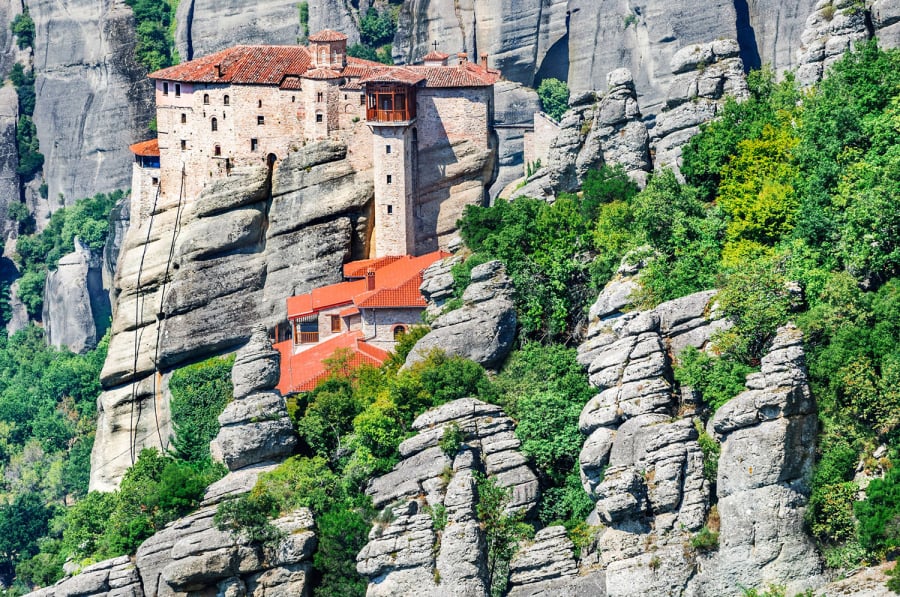
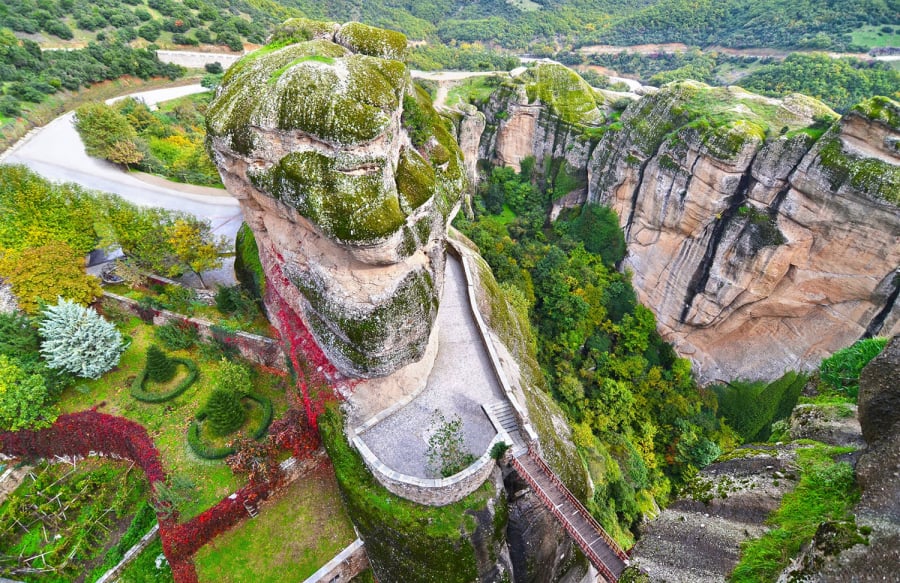
Having endured numerous historical upheavals, Meteora now has only six intact monasteries. Each monastery houses fewer than ten monks who live in quiet contemplation and isolation from the outside world.

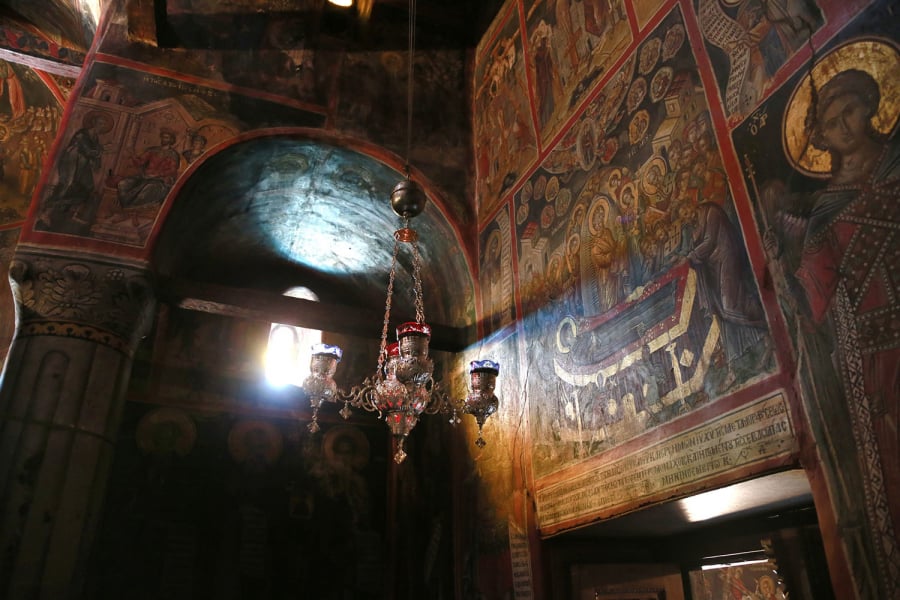
Not only is the monastery unique in its geographical location and historical origins, but its interior architecture also captivates many. Throughout the halls and prayer areas, skillful decorations include relics, elaborately carved wooden crosses, statues of saints, and unique and exquisite frescoes, all imbued with both reverence and aesthetic appeal.
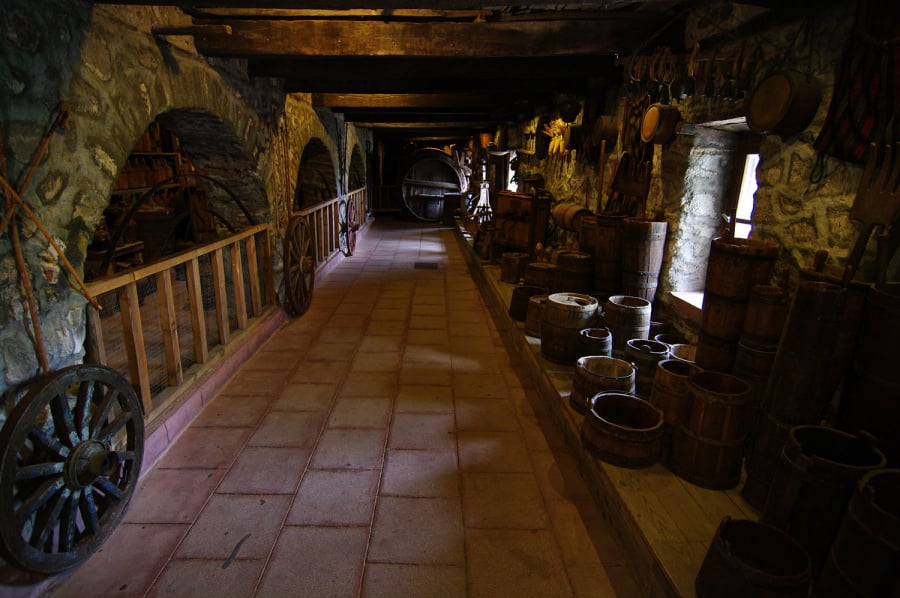
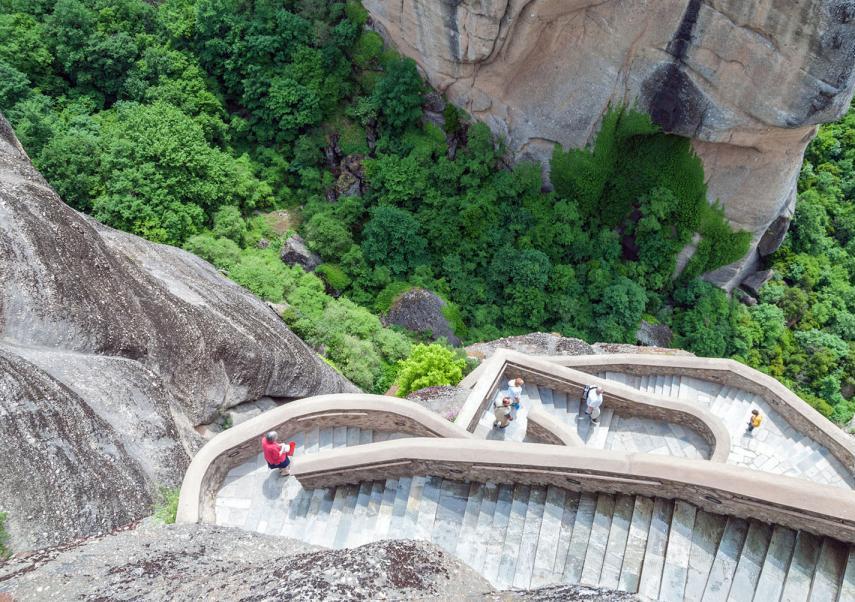
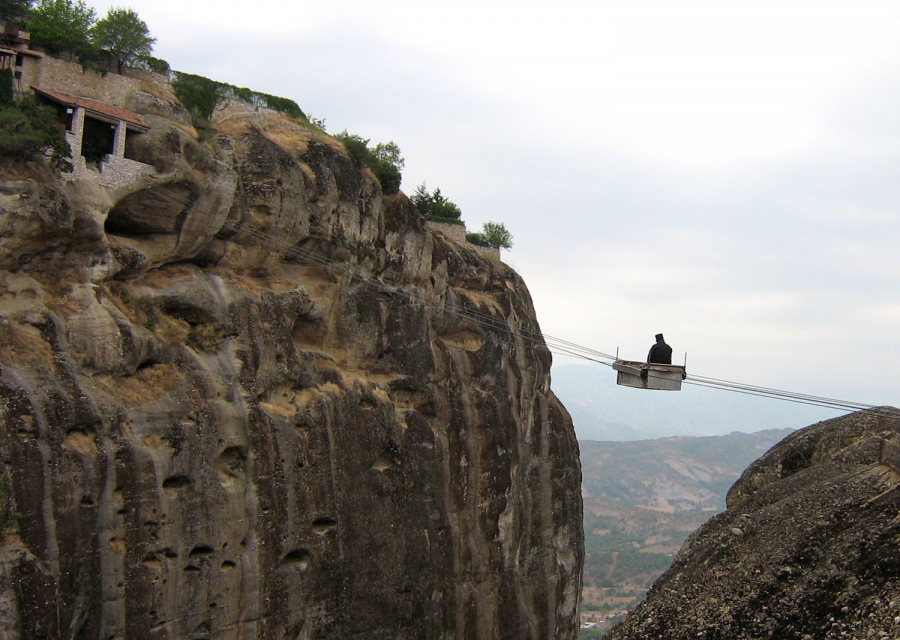
Previously, reaching these majestic church gates perched high in the clouds required a network of ropes, pulleys, and ladders. Today, visitors can easily navigate the area as Meteora built a system of safe staircases in the 1920s.
Meteora is considered one of the largest and most important monastic complexes of the Greek Orthodox Church. UNESCO recognized this complex of monasteries perched high in the clouds as a World Heritage Site in 1998, and since then, Meteora has become a well-known tourist attraction and one of the symbols of Greece.
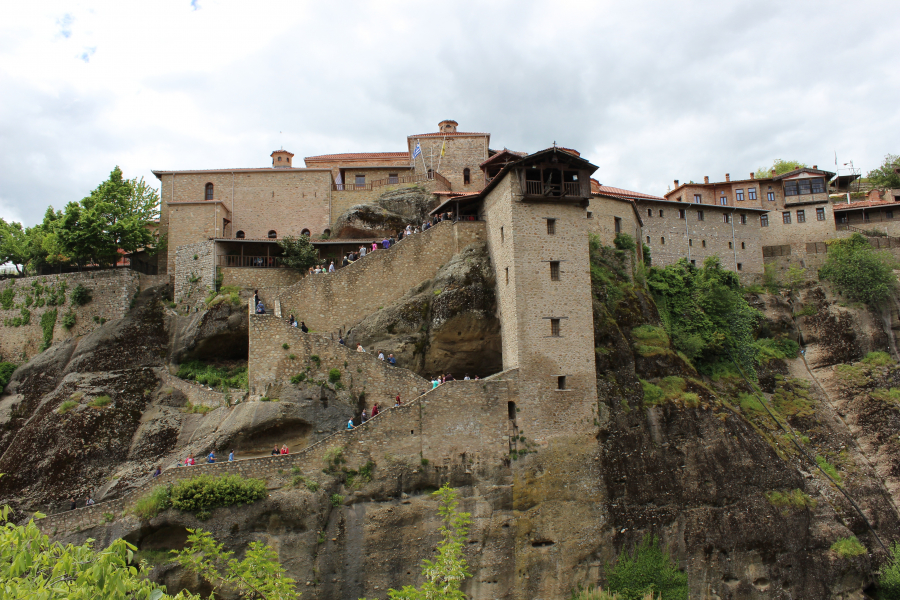
As a popular Greek destination, summer (July to October) is the peak season for tourism. Those who prefer less crowds often visit Meteora in autumn and winter (December to March) to enjoy the cooler weather, tranquil scenery, and lower prices for services. Other activities include skiing, visiting the Theopetra caves (an archaeological site containing evidence of human habitation dating back over 130,000 years), hiking on the sandstone peaks of Meteora, or visiting the village of Kalabaka, located just below the Holy Trinity Monastery, to experience the daily life of the locals.
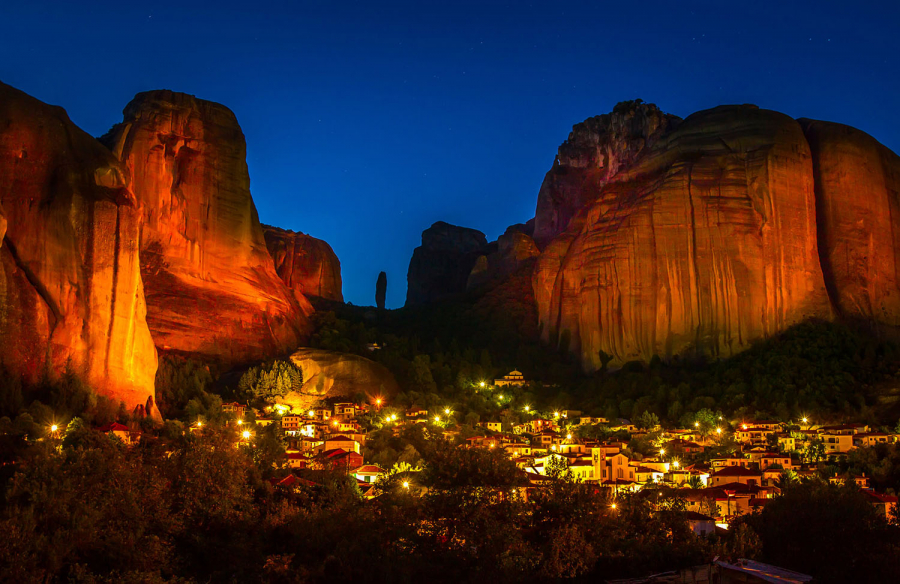
When visiting religious sites, tourists should dress respectfully and modestly. There is no fee to visit this complex of monasteries in the clouds; it is a voluntary act.
Directions to Meteora Monastery
By bus:Starting from the cities of Ioannina, Trikala, Thessaloniki, or Athens, the journey is to the city of Kalampaka.
By train:From Thessaloniki or Athens, travel to Kalampaka.






.jpg.jpg)


.jpg.jpg)