VI
VI


Kera Protein Ltd. is a UK-based startup that is using cutting-edge technology to turn chicken feathers from the poultry industry into imitation meat.
In 2019, Sorawut Kittibanthorn, the founder of Kera Protein, was a student at Central Saint Martins University. He noticed that chicken feathers contain a lot of keratin – the protein that makes up hair, skin, and nails. Kittibanthorn believed that keratin could be transformed into a useful product.
Currently, Kera Protein collects chicken feathers from a local farm. The feathers are then cleaned, ground into a powder, and mixed with acid and keratinase enzymes to break down the strong chemical bonds of keratin. The mixture is heated at a moderate temperature for 14 hours, filtered, and cooled.
The final product is a collagen-like powder texture, superior to conventional protein sources in both nutrition and flavor. According to the founder of Kera Protein, the product also contains high levels of antioxidants similar to berries. The food made from chicken feathers has no particular flavor, so cooks can customize the taste and texture to their liking.

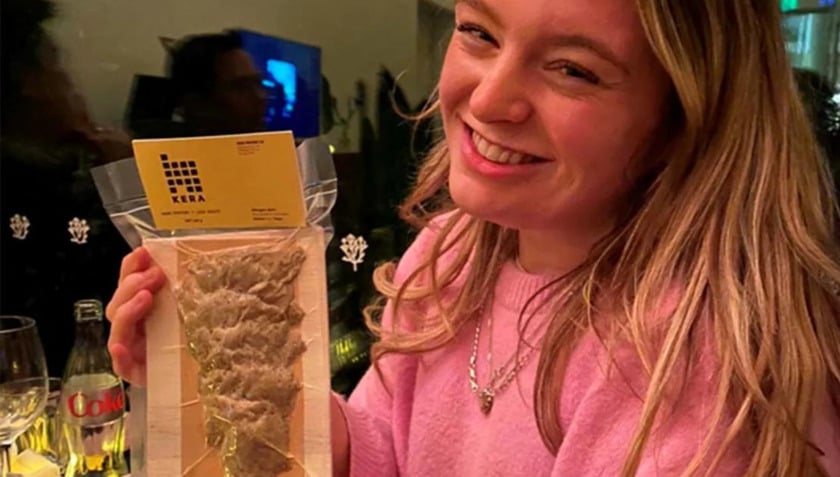
The final product is a collagen-like powder texture that surpasses conventional protein sources in both nutrition and flavor.
Chicken feather protein could help address at least one persistent problem plaguing the food industry: excess waste. In the EU alone, up to 3 million tonnes of poultry feathers are wasted each year, often burned or dumped in landfills.
Kera's most recent collaboration is with the London-based Thai dining club Laam. The business, run by Nathan “Phayu” Brown and Patarita “KG” Tassanarapan, specializes in family-inspired local cuisine, showcasing the best of Britain using authentic northern Thai flavors and reinventing them for a modern dining experience. They hosted a launch event, including a six-course meal, to demonstrate the versatility of their feather protein product.
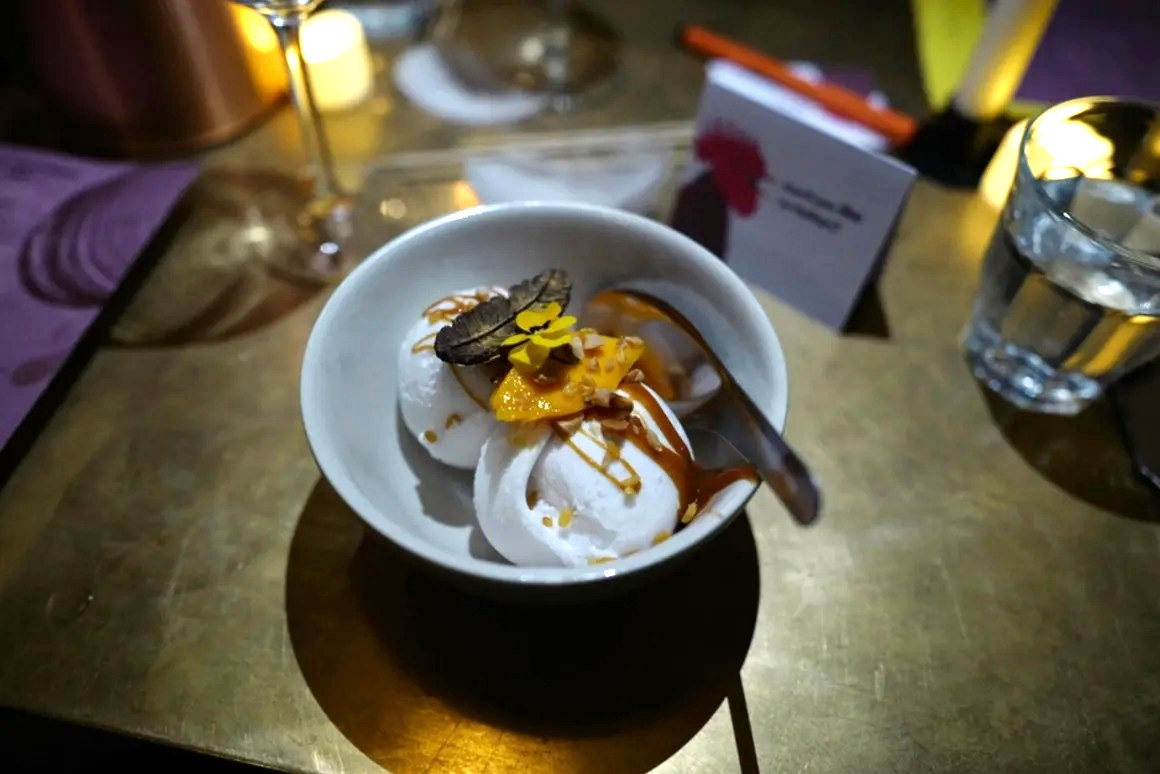
The menu includes classic Thai laab dib tartare with fish sauce, salted quail eggs, and crispy wontons. A raw beef salad replaces the meat with Kera protein and smoked eggplant chili, served with crispy Kera and seasonal vegetables. Next is Lao-style pho with chopped Kera tomato paste, spicy pickled green mustard, and crispy fried Cloud "chicken" rice flakes as a kind of color palette cleanser. Finally, there's feathered coconut ice cream with salted egg yolk sauce.
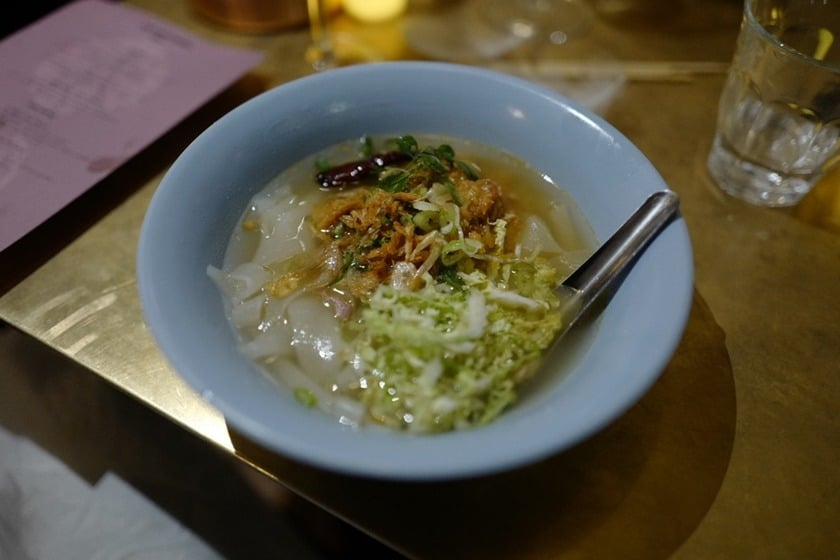
Lao-style pho uses imitation meat called Kera, made from chicken feathers.
One of the biggest challenges is the cost of production – a common problem for meat alternatives, including “lab-grown” meat options. The feathers undergo a lengthy 34-hour extraction process, which is both time-consuming and financially burdensome. The company currently only partners with a single farm, maintaining production on a modest scale.
Kera is in the process of securing EU Novel Foods certification so that its products can be legally sold on a large scale. Kittibanthorn said this process can take years, although there are exceptions for certain sustainable innovations.